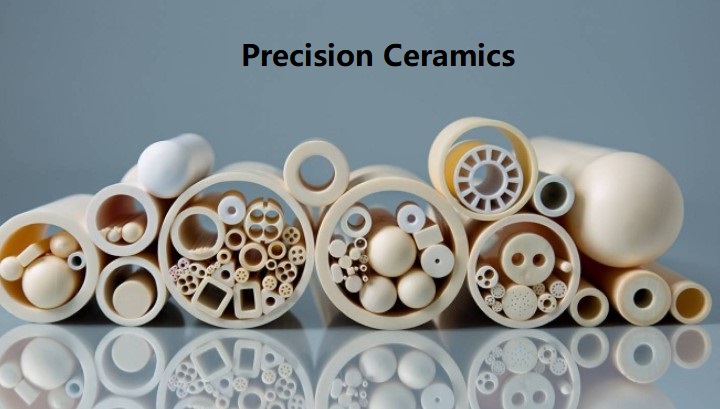
When equipment must withstand repeated movement, friction, and mechanical stress, material selection becomes a key part of product design. Zirconia Ceramics provide an appealing option for applications that require strength, toughness, and dependable surface performance. By using Zirconia Ceramic Components in carefully designed assemblies, manufacturers can address demanding operating conditions, while well-specified Zirconia Ceramics help support product consistency. For engineers sourcing Zirconia Ceramic Components, the right balance of material properties and manufacturing precision can make a meaningful difference.
Strength That Supports More Reliable Products
Zirconia is an advanced ceramic material valued for its combination of strength and fracture toughness. Unlike some conventional ceramics that can be vulnerable to sudden mechanical impacts, properly formulated zirconia can resist crack growth more effectively. This characteristic makes it attractive for components that experience pressure, vibration, or repeated contact during operation.
Potential applications include mechanical guides, precision shafts, sealing parts, and wear-resistant elements. In these settings, material reliability affects not only component lifespan but also equipment stability and maintenance planning. Choosing zirconia does not eliminate every risk, however. Designers still need to account for loads, mounting conditions, and possible impact points to achieve dependable performance.
Surface Quality and Wear Resistance Matter
Friction can gradually change the dimensions and surface finish of a component, especially when machinery operates for long periods. Zirconia's hardness and wear resistance make it useful in applications where surfaces repeatedly slide against other parts. Depending on the design and operating environment, it may help reduce wear-related maintenance and preserve component accuracy.
Surface finish is equally important. A smooth, accurately finished ceramic part can support controlled movement and effective sealing, while roughness or dimensional variation may cause unnecessary friction. Manufacturers should specify tolerances and finishing requirements according to the function of each component. The counterface material, lubrication, temperature, and presence of abrasive particles should also be considered before selecting a final ceramic grade.
Custom Geometry for Specialized Equipment
Industrial equipment rarely follows a single standard design. Different machines may require unusual dimensions, small openings, thin walls, or specially shaped contact surfaces. Zirconia components can be manufactured for specific engineering requirements, although complex shapes may increase production time and machining costs.
Good cooperation between design and manufacturing teams helps avoid these problems. Engineers should provide drawings, dimensional tolerances, surface requirements, and details about the component's working environment. They should also identify areas exposed to concentrated stress, since sharp internal corners and uneven support can increase the risk of ceramic damage. Reviewing these factors before production helps establish realistic specifications and reduces the likelihood of costly redesigns.
Exploring Material Solutions With ZFCera
Selecting a suitable ceramic involves more than comparing hardness figures. Different zirconia formulations can offer different combinations of strength, toughness, thermal behavior, and resistance to environmental degradation. The best choice depends on the intended application, operating temperature, exposure to moisture, and expected mechanical loads.
Before placing an order, buyers can ask about available material grades, manufacturing methods, finishing capabilities, inspection procedures, and customization options. Sample testing may also help confirm whether a component meets the requirements of a particular machine or assembly. Clear technical communication makes it easier to align product specifications with actual operating needs and long-term performance goals.
Building Long-Term Value Through Better Selection
A ceramic component should be evaluated according to the demands it will face throughout its service life. In some applications, toughness and wear resistance may be the main priorities; in others, dimensional accuracy, chemical stability, or electrical characteristics may matter more. Comparing these requirements early helps engineers avoid paying for properties that are unnecessary while ensuring that essential performance needs are covered.
With suitable material selection, thoughtful component design, and careful quality control, zirconia ceramics can contribute to reliable equipment across industrial, electronic, and precision engineering applications. To explore ceramic material options and customized component solutions, visit https://www.zfcera.com/ and learn more about products that may suit your project