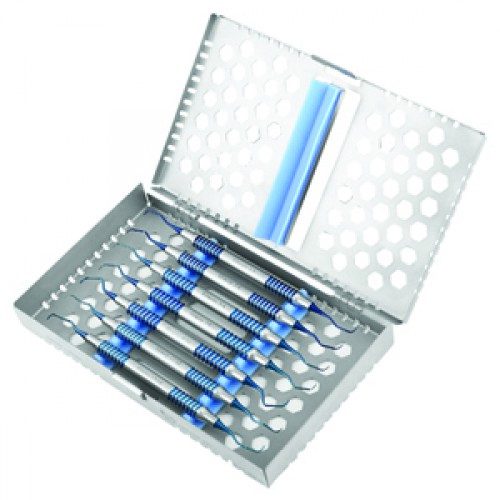
Precision in medicine often comes down to a single, simple instrument. Medical tweezers let clinicians grasp, hold, and handle tissue, sutures, and dressings with control that fingers alone cannot achieve. Whether in a busy operating room or a small outpatient clinic, the right pair makes delicate work safer and more efficient. This guide covers what these instruments are, the most common types, and why quality should guide every purchase.

What Are Medical Tweezers?
Medical tweezers, also called thumb forceps or tissue forceps, are handheld instruments made of two joined arms that close when you press them together. Unlike scissor-style instruments, they have no finger rings or locking mechanism. The clinician controls the grip through gentle pressure between the thumb and fingers. This simple design gives fast, responsive handling during procedures that call for a light touch.
Most models are made from surgical-grade stainless steel. Some specialty versions use titanium for lighter weight and added corrosion resistance.
Common Types and Their Uses
Medical tweezers come in many shapes, and each one serves a specific purpose. Adson forceps are short with fine tips, which makes them a popular choice for suturing skin and handling delicate tissue. Toothed versions, often called rat-tooth forceps, have small interlocking teeth that secure tough or slippery tissue without slipping.
DeBakey forceps feature atraumatic serrated jaws that protect blood vessels and soft tissue during cardiovascular and general surgery. Iris forceps are small and precise, ideal for ophthalmic and other fine procedures. Dressing forceps, with their smooth or lightly serrated tips, help staff apply and remove bandages and gauze. Splinter forceps have sharp, pointed tips designed to remove foreign bodies from the skin.
Choosing the right type depends on the tissue, the procedure, and the level of detail involved.
Why Quality Matters in Clinical Settings
Poorly made medical tweezers can cause real problems. Misaligned tips may fail to grip securely, which forces the clinician to apply extra pressure and risks crushing tissue. Rough edges or uneven serrations can tear delicate structures. Low-grade metal may corrode or pit after repeated sterilization, creating surfaces where contaminants can hide.
High-quality medical tweezers offer precise tip alignment, consistent tension, and smooth finishes. These features reduce hand fatigue, protect patient tissue, and hold up through hundreds of autoclave cycles. Over time, a durable instrument also delivers better value than one that needs frequent replacement.
How the Right Instrument Supports Precision and Safety
When an dental instrument responds exactly as expected, the clinician can focus fully on the patient. Balanced weight and a comfortable grip support steady control during long procedures. Reliable tips allow accurate suture placement and gentle tissue handling, which can support cleaner healing and fewer complications. In short, dependable medical tweezers help turn skill into consistent results.
Precision in Every Grip: Choose Grey Medical®
Grey Medical® is a privately owned medical technology company dedicated to innovation and excellence in the craft of surgical instruments. Each instrument is designed with careful attention to tip alignment, material strength, and ergonomic comfort. Clinicians and surgical teams trust Grey Medical® for tools that perform reliably, procedure after procedure.
Conclusion
Small instruments carry big responsibilities in patient care. Understanding the different types helps you match each tool to the task, from suturing skin to handling fragile vessels. Quality materials and precise engineering protect both tissue and outcomes while lasting through repeated sterilization. By choosing premium medical tweezers from Grey Medical®, you give your team the precision, safety, and confidence they need every day.