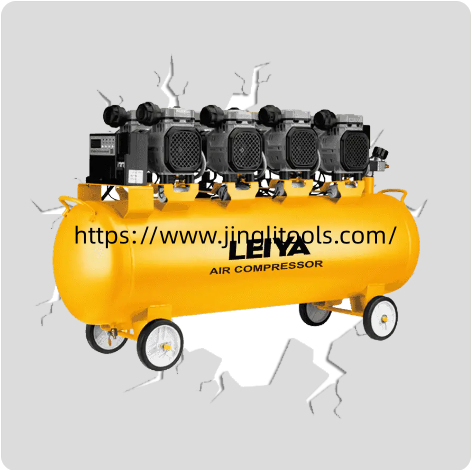
Air Compressor Machine selection begins with understanding the tasks the equipment will perform, the tools it will support, and the environment in which it will operate. For workshop owners, distributors, and purchasing managers, evaluating these factors before requesting a quotation can make product comparisons more relevant and help clarify purchasing requirements.
Identify the Requirements of Your Application
Different workplaces have different operating needs. Automotive service centers may use pneumatic tools for tire inflation, fastening, and cleaning. Small repair workshops may need equipment for occasional tasks, while manufacturing facilities can require a configuration suitable for longer operating schedules.
Start by listing the tools that will connect to the unit. Check their specified operating pressure and delivery requirements, then estimate how many tools may operate simultaneously. This information helps establish a realistic demand profile and gives manufacturers a clearer understanding of the intended application.
Daily usage is another important consideration. Equipment used intermittently may have different requirements from a unit expected to operate throughout a shift. Buyers should explain the expected workload and operating schedule instead of relying on general assumptions when comparing available models.
Review the Specifications That Matter
Technical specifications help buyers assess whether a product fits their needs. Motor power, tank capacity, operating pressure, delivery rate, and duty cycle should be considered together because each describes a different aspect of operation.
Tank capacity indicates how much compressed air can be stored for periods of increased demand. Delivery rate describes the supply available during operation. A larger tank alone does not guarantee that equipment can support every application, so buyers should compare both figures with the requirements of their connected tools.
Electrical compatibility should also be confirmed before placing an order. Check the rated voltage, frequency, plug configuration, and available power supply at the installation site. For distributors serving multiple markets, checking these details early can help prevent compatibility issues after delivery.
Physical dimensions and weight may influence installation and daily handling. Measure the available space and consider access for ventilation, inspection, and maintenance. If equipment needs to move between work areas, portability and handling arrangements may also affect its suitability.
Noise output is worth reviewing in enclosed workshops or shared facilities. Compare the manufacturer's documented specifications with the conditions of the intended workspace before deciding where the equipment should be installed.
Assess Maintenance and Operating Expenses
The initial purchase price is only one part of the total ownership cost. Energy consumption, routine maintenance, replacement components, and possible downtime may influence expenses over the product's working life.
Before purchasing, ask the supplier about inspection intervals and recommended servicing procedures. Confirm whether operating manuals, spare parts, and technical assistance are available. Clear documentation helps operators follow appropriate maintenance practices and plan servicing around normal work schedules.
The surrounding environment also deserves attention. Dust, humidity, temperature, and ventilation can influence installation and maintenance requirements. Buyers should follow the manufacturer's instructions and applicable workplace safety requirements when setting up and operating equipment.
An oil-free configuration may be suitable for applications with specific cleanliness requirements. However, the decision should be based on the actual process and operating conditions. Buyers should confirm whether additional filtration or moisture management is necessary instead of assuming that one configuration fits every task.
Prepare Questions Before Contacting a Manufacturer
A detailed inquiry helps manufacturers understand what the buyer needs. Include the intended application, expected workload, required pressure, delivery requirements, electrical conditions, available installation space, and estimated purchase quantity.
For wholesale orders, ask about minimum order quantities, production lead times, packaging, shipping arrangements, and customization options. Review warranty conditions and confirm which accessories are included before approving the order.
Request technical documentation and compare the proposed configuration with your original requirements. If any specification is unclear, ask the supplier to explain its relevance to the intended application. Applying the same checklist to multiple quotations makes it easier to compare technical details and order conditions.
Distributors should also consider the needs of their customers. Understanding common applications, expected budgets, and service requirements can help guide inventory planning and product selection.
Plan Purchases Around Business Requirements
Business needs may change as a workshop expands its services or introduces additional tools. Buyers should consider realistic future demand without paying for unnecessary capacity or features that do not support their current operations.
Keep a record of the technical requirements, installation conditions, maintenance preferences, and budget used during the selection process. This information can support future purchasing decisions, simplify repeat orders, and provide a consistent reference for discussions with manufacturers.
When evaluating suppliers, consider technical documentation, communication, delivery arrangements, and support availability alongside product specifications. Buyers sourcing corded power tools and related workshop equipment can review the available product information from jinglitools to assess options for their applications. To continue comparing equipment categories, visit https://www.jinglitools.com/product/ and review the product information before contacting the manufacturer with your technical requirements, intended applications, and purchasing questions.