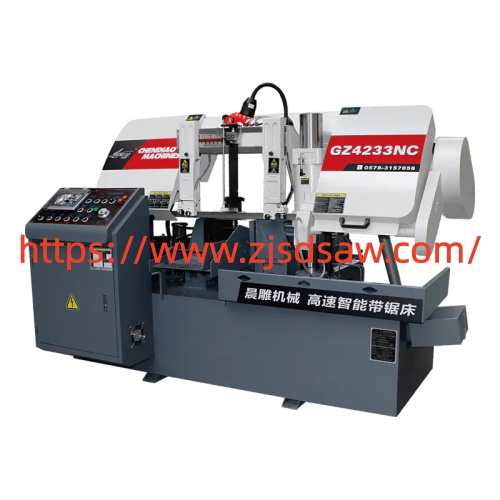
Metal Cutting Band Saw Machine selection begins with a clear understanding of your production requirements. Manufacturers need to consider material dimensions, workpiece shapes, required tolerances, production volume, and available workshop space before choosing industrial equipment. A purchasing decision based on actual operating conditions can help businesses compare specifications more effectively, plan installation, and discuss suitable configurations with suppliers. Careful preparation also helps prevent unnecessary expenditure on features that do not contribute to daily production needs.
Start by reviewing the materials handled in your facility. Different alloys have different hardness levels, thicknesses, and structural characteristics, which influence tooling requirements and operating parameters. Aluminum profiles, stainless steel sections, and solid steel bars may require different settings and handling arrangements. Prepare a list of commonly processed materials, together with their dimensions and approximate weekly quantities. Include unusually large workpieces, since occasional jobs may place different demands on the equipment than routine orders.
Dimensional requirements should guide the next stage of evaluation. Consider the required length, acceptable tolerances, and whether finished components will undergo additional operations. Parts intended for welding may have different requirements from components used in precision assemblies. Ask suppliers to explain the capabilities of each proposed configuration and provide relevant technical specifications. If dimensional consistency is important, discuss sample evaluations using representative materials before confirming your purchase.
Workpiece handling deserves careful attention as well. Long sections and heavy stock can require additional support during loading and positioning. Review the available table dimensions, clamping arrangements, loading access, and options for external roller supports. Suitable support can help maintain workpiece stability throughout the operation. Buyers should also consider the movement of materials between storage, preparation, processing, and subsequent assembly areas. A practical layout can reduce unnecessary handling and make daily tasks easier to organize.
Tooling compatibility is another important purchasing consideration. Tooth geometry, blade width, speed settings, and feed control should correspond to the material and its dimensions. An unsuitable combination can contribute to uneven surfaces, premature wear, or inconsistent results. Ask the supplier which consumables are compatible with the proposed equipment and whether replacement parts are readily available. Clear guidance on setup and routine inspection can also help operators follow appropriate procedures when processing different materials.
Production volume influences the choice of operating system. Workshops handling occasional orders may prefer straightforward controls and flexible setup arrangements. Facilities processing repeated batches may benefit from programmable length settings, automatic feeding, or other available automation features. These options should be evaluated against actual workload, staffing, and budget rather than selected simply because they are available.
Before investing in automation, examine the entire workflow. Consider loading time, setup changes, operator involvement, inspection requirements, and the movement of completed parts. Additional automation can support repetitive tasks, but it also introduces requirements for installation, training, and maintenance. Buyers should confirm that the proposed arrangement is compatible with existing facilities and that operators can use the controls safely and confidently.
Operating expenses should form part of the purchasing comparison. The initial quotation is only one component of the overall investment. Replacement consumables, electricity, routine servicing, operator training, and potential production interruptions can all affect ongoing expenditure. Request an itemized quotation that clearly identifies included accessories, optional components, installation arrangements, and warranty coverage. This information makes comparisons between suppliers more transparent and supports realistic budgeting.
Safety and maintenance provisions also deserve attention. Review protective guards, emergency controls, access for inspection, and the instructions supplied with the equipment. Ask which routine checks operators can perform and which tasks require qualified service personnel. Establishing clear procedures for cleaning, lubrication, component inspection, and consumable replacement can support responsible equipment use and help identify developing issues before they interrupt production.
Chendiao provides industrial sawing solutions for manufacturing businesses with different processing requirements. Buyers can prepare drawings, material specifications, expected output, and dimensional targets before discussing available configurations. This information helps the supplier assess application needs and explain relevant options without relying on general assumptions.
The right purchasing decision connects equipment capabilities with the work your facility performs every day. By reviewing material compatibility, dimensional requirements, handling arrangements, automation, maintenance, and overall operating costs, businesses can make more informed investment decisions. If you are planning a new installation or upgrading an existing production line, visit https://www.zjsdsaw.com/product/ to review available products and discuss a suitable configuration with Chendiao.