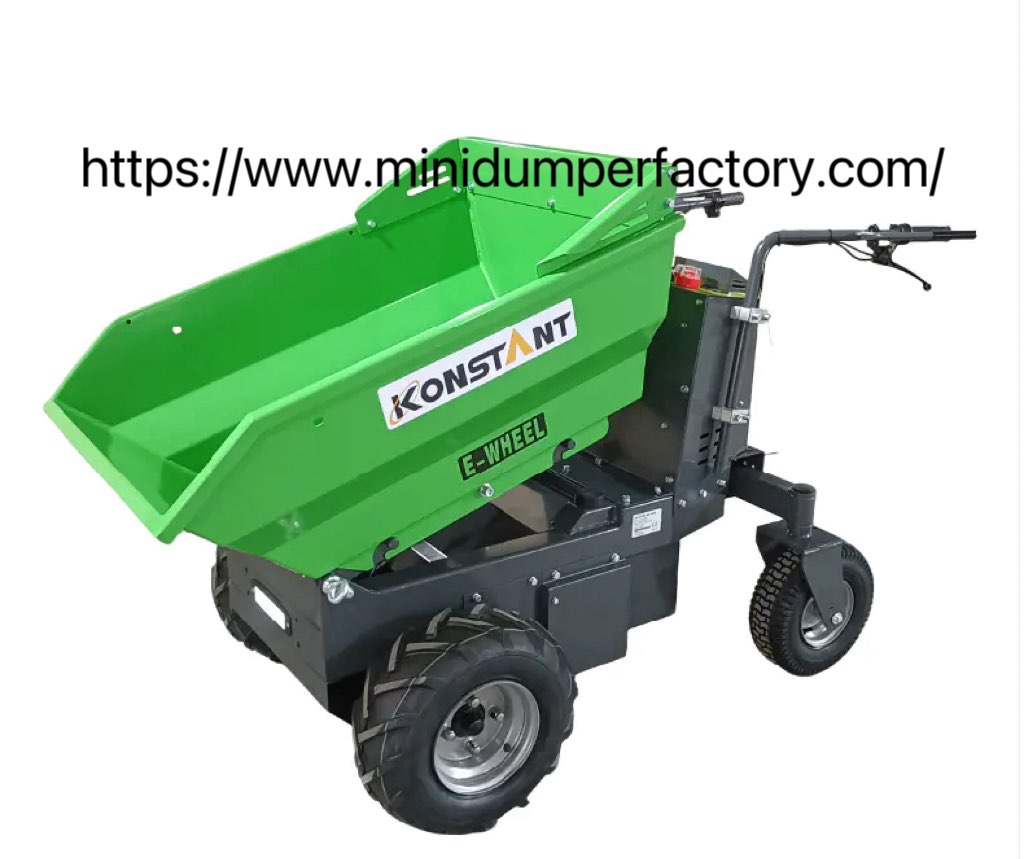
Mini Dumper Manufacturer selection requires careful preparation before committing to an equipment purchase. Buyers need to confirm machine specifications, operating conditions, customization options, quality checks, and delivery arrangements before approving an order. Construction contractors, landscaping businesses, agricultural operators, rental companies, and equipment distributors may have different requirements, so a structured checklist can help prevent misunderstandings and support better purchasing decisions.
How Will You Use the Machine?
Start by explaining the work the equipment will perform. Transporting soil in a garden, moving gravel on a construction site, and carrying materials around a farm involve different operating conditions.
Prepare details about the material, average load, travel distance, ground surface, and expected daily workload. Measure access points, including gates, paths, ramps, and storage areas. These measurements help determine whether the machine can move through the worksite and operate within the available space.
Ask for overall dimensions, operating weight, turning requirements, and recommended applications. Providing accurate information about your worksite helps narrow the available options before requesting a quotation.
What Payload and Hopper Size Do You Need?
Payload capacity and hopper volume affect how much material can be moved during each trip. However, the same hopper volume can hold different weights depending on the material being transported.
Loose soil, wet sand, gravel, and construction debris have different densities. Ask for the rated payload and hopper dimensions of the specific model you are considering. Confirm any operating restrictions that apply to slopes or uneven surfaces.
Consider the balance between load capacity and machine dimensions. A larger machine may carry more material but require additional space for turning, storage, and access. Compare these factors with actual site conditions instead of relying on capacity figures alone.
Which Power System Matches Your Working Conditions?
Electric and gasoline-powered models offer different practical considerations. Electric machines may suit locations where reduced operating noise and no exhaust emissions during use are important. Gasoline-powered models may suit applications where fuel access and operating schedules influence purchasing decisions.
Before ordering, ask about available power options, rated output, battery capacity where applicable, charging arrangements, and expected operating time. For gasoline models, confirm engine specifications and routine servicing requirements.
The drive system also matters. Tracked equipment may suit certain uneven or soft surfaces, while wheeled models can work well in other site layouts. Ask about track or tire specifications, turning performance, and maintenance needs to identify a suitable configuration.
What Unloading Method Will Make Daily Work Easier?
The unloading mechanism affects how conveniently materials can be discharged. Depending on the model, available options may include manual tipping, hydraulic tipping, or high tipping for particular loading and unloading arrangements.
Explain where the material will be discharged. You may need to unload soil onto a designated area, place materials inside a container, or transfer aggregate into another vehicle.
Ask for the tipping height, unloading direction, operating method, and clearance requirements. If the machine will work in a confined area, check whether there is enough room for the hopper to rise and return safely. Confirm that the selected configuration matches your workflow before approving the specifications.
Which Customization Options Are Available?
Customization may matter to distributors, importers, and businesses purchasing equipment for a particular market. Depending on the model and order conditions, requests may include paint color, logo placement, labels, manuals, packaging, accessories, or selected technical configurations.
Provide clear instructions, artwork files, and reference images when requesting changes. Ask whether customization affects the price, production schedule, or minimum order quantity.
Confirm how the final specifications will be approved. Written records, reference photographs, and agreed configuration sheets can reduce confusion between the purchasing team and production team. For bulk orders, document differences between models so that each item matches the intended requirements.
How Can You Check Product Quality Before Shipment?
Before confirming an order, ask which inspection procedures are available for your selected model. These may cover dimensions, operating functions, visible components, accessories, labels, and packaging.
For larger orders, prepare an inspection checklist identifying the items that require confirmation. Depending on the agreement, you may request inspection photographs, operating videos, manuals, parts diagrams, or other relevant documents.
If the equipment will be imported, check the machinery requirements and documentation applicable to your destination market. Confirm these needs early rather than waiting until the goods are ready to ship. This preparation can help reduce delays caused by missing information or mismatched paperwork.
What Should You Know About Maintenance and Warranty?
Routine maintenance affects equipment availability over time. Ask which components require regular inspection, how service intervals are determined, and which replacement parts may be needed during normal operation.
Request written warranty terms and clarify coverage, exclusions, claim procedures, and the information required when reporting a fault. For overseas purchases, ask whether technical assistance, troubleshooting instructions, or maintenance guidance can be provided remotely.
Businesses operating several machines may benefit from preparing a spare-parts list. Confirm part identification methods, ordering procedures, and availability for commonly serviced components. These details help your team plan maintenance and manage potential interruptions to daily work.
What Details Should Appear in Your Quotation?
A clear quotation should identify the model, configuration, order quantity, unit price, included accessories, customization requirements, packaging, and delivery arrangements. Ask whether optional components or additional services are charged separately.
Confirm the production schedule, payment terms, shipping method, delivery responsibilities, and documents supplied with the order. When comparing quotations, check that each one covers equivalent specifications and services.
Keep the approved technical details, commercial terms, and communication records together. This makes it easier to review the order before production and refer to agreed requirements when placing future orders.Before sending your inquiry, prepare a summary of your intended application, required payload, available worksite space, preferred power system, unloading needs, order quantity, and destination country. minidumperfactory provides compact material transport equipment for construction, landscaping, agriculture, and other material-handling applications. Visit https://www.minidumperfactory.com/product/ to review available models and product details, then share your requirements to discuss suitable configurations, customization possibilities, and purchasing arrangements for your business.