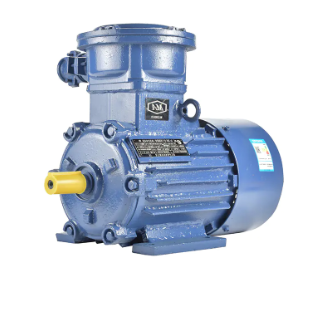
https://www.zjhute.com/product/yb-flameproof-threephase-asynchronous-motor-yb/
A variable frequency drive can give an industrial process more control over motor speed, but adding one is not simply a matter of connecting new equipment. If your project involves a Flameproof Three Phase Electric Motor, the motor, drive, operating range, and hazardous-area requirements need to be reviewed together.
A common mistake is to focus on the drive's ability to change speed while assuming that the existing motor will perform as expected at every operating point. In practice, low-speed operation can affect the motor's cooling, while the drive's output characteristics may introduce additional electrical stresses. The suitability of the complete arrangement depends on the motor design, drive settings, load, and installation conditions.
Before making changes, identify the motor's nameplate ratings and check the manufacturer's guidance for variable-speed operation. Review the intended speed range, torque requirements, starting and stopping pattern, cooling method, and any drive-related limitations. For a motor installed in a hazardous area, confirm that the proposed operating arrangement remains within its approved conditions and applicable requirements.
This review should involve the electrical engineer, drive supplier, and motor manufacturer where necessary. Do not assume that a motor's flameproof designation automatically confirms suitability for every variable-frequency application.
Procurement teams can help by including the intended drive operation in the initial inquiry. If the motor will run at variable speeds, share the expected operating range and driven-load information instead of requesting a motor based only on rated power and voltage.
Planning ahead is easier than discovering a compatibility issue after installation. It also gives suppliers a clearer understanding of the application and helps the project team evaluate suitable options on a consistent basis.
The best drive upgrade is not simply the one that offers more control. It is the one in which the motor and drive are selected as a compatible system, with the relevant safety and operating requirements documented before commissioning.