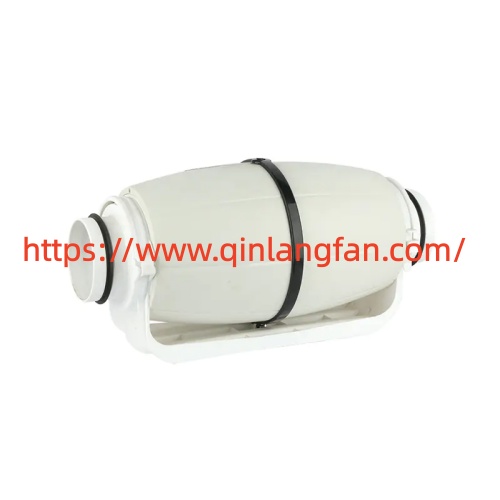
Duct Silent Fan noise can turn a comfortable indoor space into an irritating environment, especially when ventilation equipment runs for hours each day. A low hum may seem harmless at first, but rattling, sharp buzzing, or sudden changes in sound can signal that something needs attention. The cause is not always the motor itself. Air turbulence, loose mounting parts, poorly arranged ductwork, and incorrect equipment sizing can all affect how a ventilation system sounds. Finding the source before replacing components can save time and help keep airflow on track.
One common cause is restricted air movement. When air passes through narrow sections, sharp bends, blocked filters, or poorly positioned grilles, resistance increases. The resulting turbulence may create a rushing or whistling sound. In some installations, the equipment is expected to move more air than the connected system can handle comfortably. The solution starts with checking the complete airflow path rather than assuming the unit is faulty.
A simple inspection can reveal more than expected. Look for dirty filters, obstructions near the inlet, closed dampers, and bends that restrict circulation. Check whether the connected pipework matches the required dimensions and whether grilles are suitable for the intended airflow. Changes should follow the product instructions and system design, particularly where the installation serves a commercial or industrial process.
Vibration is another frequent source of unwanted sound. If mounting brackets are loose or the supporting surface is unstable, normal motor movement may transfer through walls, ceilings, and nearby panels. This can create a low rumble that seems louder in the room than it does beside the equipment. Loose covers or fasteners may also produce intermittent rattling.
Proper mounting helps address these issues. The unit should be securely supported, with connections aligned and suitable vibration isolation used where the design allows it. Flexible connectors may help limit vibration transfer between the equipment and rigid ductwork, provided they are appropriate for the application. If the noise appears suddenly or becomes noticeably stronger, stop the equipment when safe and arrange an inspection rather than continuing to operate it without checking the cause.
The motor and rotating components deserve attention too. Dust buildup on an impeller can affect balance, while worn bearings or internal contact may produce scraping, grinding, or irregular humming. These sounds should not be treated as normal operating noise. Disconnect the power before any inspection, follow the manufacturer's maintenance instructions, and leave electrical repairs or internal mechanical work to qualified personnel.
Equipment selection plays a role long before installation begins. A unit that is too small for the required airflow may need to operate under demanding conditions, while an oversized model can introduce unnecessary airflow and sound in a system that cannot use its full capacity. Buyers should compare airflow ratings, static pressure, motor power, operating speed, and connection dimensions together. A single specification rarely tells the whole story.
Duct layout also deserves a closer look during the planning stage. Long runs, abrupt direction changes, poorly placed transitions, and unsuitable outlets can increase resistance or create uneven airflow. A thoughtful layout can reduce avoidable turbulence and make commissioning easier. Where noise limits matter, discuss the intended room, expected operating hours, and acceptable sound levels with the equipment manufacturer before confirming the model.
For buyers comparing ventilation products, Qinlang offers several options, including the F100 ventilation model, F125 diagonal flow model, F150 model, and F200 home ventilation model. Reviewing the available specifications helps purchasers narrow their choices according to installation dimensions and airflow requirements. It is worth confirming the technical data for the exact model rather than assuming that every configuration will behave the same way in every system.
Maintenance completes the picture. Clean accessible components at suitable intervals, inspect mounting hardware, and pay attention to changes in sound, vibration, or airflow. Keeping a simple record of these changes can help technicians identify patterns before a minor issue develops into a larger interruption. There is no single maintenance schedule for every environment, since dust levels, operating hours, and site conditions vary.
Quieter ventilation comes from a combination of suitable equipment, careful installation, balanced airflow, and regular checks. When planning a new system or improving an existing one, start with the actual source of the noise and compare products against the needs of the space. Visit https://www.qinlangfan.com/product/ to review Qinlang ventilation products and find a configuration that fits your installation requirements and operating conditions.