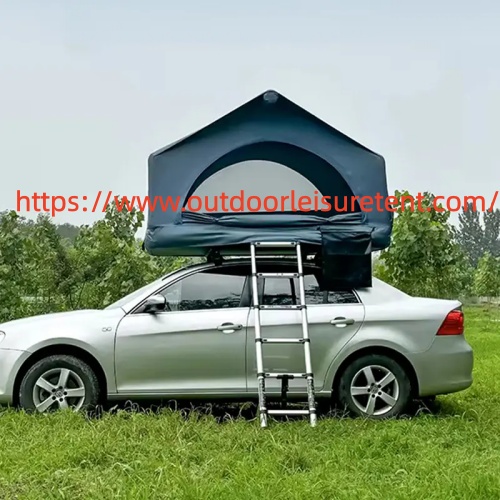
Waterproof Roof Top Tent selection requires more than checking a product label. Buyers should examine fabric performance, seam construction, ventilation, structural stability, and vehicle compatibility before making a purchase. For outdoor equipment retailers and distributors, these details also influence customer satisfaction, product returns, and long term business relationships. Mansen offers outdoor leisure products for businesses seeking practical camping solutions, making careful product evaluation an important step when planning a purchase.
Weather protection starts with the materials used in the main body and outer cover. Different fabrics provide different combinations of weight, flexibility, abrasion resistance, and moisture protection. Buyers should ask about fabric composition, coating methods, and applicable water resistance test results. These details help clarify how a product is designed to perform during outdoor use. Instead of relying on general marketing descriptions, purchasers can compare documented specifications and choose materials that suit their intended climate and customer expectations.
Seams deserve similar attention because water may enter through stitching holes or poorly finished joints even when the fabric itself resists rain. Examine how the manufacturer treats seams around corners, windows, doors, and other exposed areas. Factory applied sealing tape or suitable bonded construction may provide additional protection, depending on the design. Buyers should also check the quality of stitching, the consistency of finishing, and the way different panels connect. Asking for inspection records can help businesses understand how these details are checked during production.
Another important consideration is ventilation. Moisture can accumulate inside an enclosed camping shelter when warm air meets cooler surfaces. This condensation may occur even when rain does not enter the structure. Windows with mesh panels, adjustable vents, and carefully positioned openings can support airflow while helping users manage exposure to changing weather. Buyers should consider whether the ventilation arrangement suits the intended camping environment and whether openings can be adjusted conveniently during use.
The shape and structure of the outer cover also influence how rainwater moves away from sleeping areas. Sloped surfaces, suitable overhangs, and well positioned openings can help guide water away from vulnerable areas. Purchasers should review product photographs, technical drawings, or physical samples to understand how the design handles water around entrances and corners. They can also ask whether the manufacturer conducts simulated rainfall inspections and how any issues identified during testing are addressed.
Vehicle compatibility is equally important before an order is confirmed. The product dimensions, total weight, mounting hardware, and installation requirements should correspond with the intended vehicle and support system. Buyers need to check the vehicle and carrier manufacturers specifications for both driving and stationary load limits. They should also consider the clearance required for opening the unit, accessing doors, and positioning a ladder safely. Clear installation instructions and accurate measurements can help reduce compatibility problems after delivery.
For commercial buyers, durability and maintenance deserve attention alongside initial purchase cost. Repeated folding, outdoor exposure, dust, and prolonged sunlight can gradually affect fabrics, coatings, fasteners, and moving components. Ask which parts require routine inspection, how the materials should be cleaned, and whether replacement components are available. Understanding these requirements helps retailers provide useful guidance to customers and plan after sales support more effectively.
Manufacturing consistency is another factor worth discussing before placing a bulk order. Buyers can ask about material inspection, seam checks, assembly procedures, packaging standards, and final product inspections. If samples are available, examining them before confirming larger quantities can help establish whether the selected specifications match business expectations. Written agreements covering product configurations, acceptable inspection criteria, delivery schedules, and packaging details also help both parties manage commercial orders with clearer expectations.
Price should be evaluated alongside these practical considerations. A quotation may exclude certain accessories, packaging arrangements, transportation expenses, or customization charges. Comparing quotations on the basis of equivalent specifications gives purchasing teams a clearer view of the total investment. Retailers should also consider storage capacity, anticipated customer demand, and the timing of seasonal orders before deciding how much inventory to purchase.
Selecting suitable camping equipment is ultimately a process of matching product design with real customer requirements. By reviewing materials, construction, ventilation, installation details, maintenance needs, and purchasing terms, businesses can make informed decisions for their markets. Mansen welcomes businesses interested in outdoor leisure equipment to visit https://www.outdoorleisuretent.com/ to review available product information and discuss suitable configurations for their intended applications and purchasing plans.