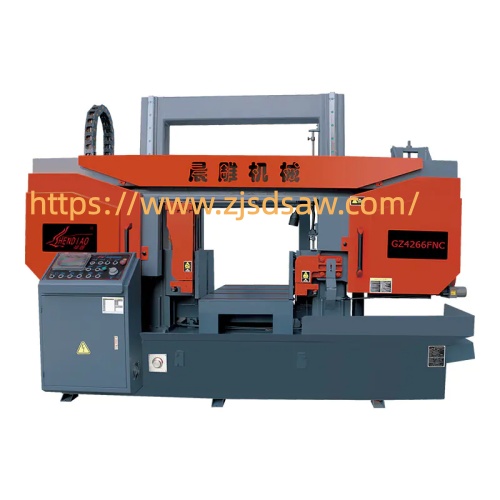
CNC Intelligent Metal Cutting Band Saw Machine selection involves more than comparing prices or choosing a model with a long list of functions. For manufacturers, the decision should reflect actual production needs, material dimensions, required tolerances, available workspace, and maintenance arrangements. Chendiao provides industrial processing equipment for businesses evaluating solutions for their manufacturing operations. By preparing clear purchasing requirements before contacting a supplier, buyers can make informed decisions and identify a configuration that fits their production goals.
Every manufacturing business operates under different conditions. Some workshops prepare small batches of customized components, while others handle recurring orders with consistent dimensions and delivery schedules. Before comparing equipment, buyers should review their typical workload, expected output, and the types of components they process. This assessment helps clarify which functions are necessary and which optional features may not provide sufficient value for their particular applications.
Material compatibility should be among the initial considerations. Aluminum, carbon steel, stainless steel, and other alloys have different physical properties that influence processing requirements. Workpiece shape also matters, whether the material arrives as a solid bar, rectangular tube, round section, or structural profile. Buyers should prepare representative dimensions and material grades before requesting a quotation. These details help the manufacturer evaluate capacity requirements and recommend an appropriate configuration for the intended workload.
Control functions deserve careful attention as well. Programmable positioning, adjustable operating parameters, and automated feeding can help standardize recurring tasks when supported by the selected configuration. For businesses processing repeated batches, stored settings may reduce repetitive setup activities and make production planning easier. However, the actual value depends on how frequently these functions are used and whether they match the complexity of daily orders. Buyers should request a practical explanation of each function rather than selecting equipment based on feature descriptions alone.
Dimensional requirements should also guide purchasing decisions. Components used in structural assemblies, industrial frames, and mechanical products may need consistent lengths and accurately prepared ends. Variation can create additional fitting work during welding or assembly. Buyers should discuss required tolerances, expected surface conditions, and acceptable variation with the supplier. Where appropriate, requesting a demonstration using representative materials can help clarify whether the proposed configuration meets the intended application requirements.
Another consideration is the overall production environment. Available floor space, electrical supply, material storage, loading access, and finished component handling can influence installation planning. An appropriate layout allows operators to move materials safely and access controls without unnecessary obstacles. Businesses should confirm equipment dimensions, delivery arrangements, installation requirements, and any additional accessories before finalizing an order. Addressing these practical details early can help avoid unexpected changes during installation.
Operating costs deserve attention beyond the initial purchase price. Consumables, energy use, routine servicing, replacement components, and operator training all contribute to the overall investment. Buyers should ask about compatible blade specifications, recommended replacement intervals, lubrication requirements, and access to spare parts. A clear maintenance schedule helps staff organize inspections and identify developing issues before they affect planned production. Technical documentation and responsive supplier support can also assist employees with routine operating questions.
Safety arrangements are equally important when introducing automated equipment into a workshop. Protective guards, emergency stop controls, secure workpiece clamping, and clear operating instructions support responsible working practices. Employees should receive suitable training before using unfamiliar controls or changing operating parameters. Managers should establish procedures for routine inspection, cleaning, maintenance, and handling unusual operating conditions. These measures help integrate new equipment into existing workplace safety practices.
Buyers should also consider whether a proposed configuration can accommodate future business requirements. Production volumes, material specifications, and customer orders may change over time. Discussing anticipated changes with the supplier can help identify useful options without paying for unnecessary functions. It is equally important to clarify warranty conditions, service availability, spare component supply, and the technical information provided with the order. These details contribute to a more realistic assessment of long term ownership costs.
Before making a final decision, prepare a purchasing checklist covering workpiece dimensions, material types, daily quantities, tolerance requirements, facility conditions, and budget limits. Share this information with potential suppliers and request quotations that clearly identify included functions, optional accessories, delivery terms, and service arrangements. Comparing proposals against the same requirements makes the evaluation process more straightforward and helps buyers focus on practical business needs.
For manufacturers planning to improve production organization, Chendiao offers industrial equipment options that can be assessed according to individual processing requirements and workshop conditions. Reviewing technical specifications and discussing real production scenarios with the supplier can help buyers select an appropriate configuration for their operations. Visit https://www.zjsdsaw.com/product/ to review available products and identify equipment options that align with your manufacturing plans and investment priorities.