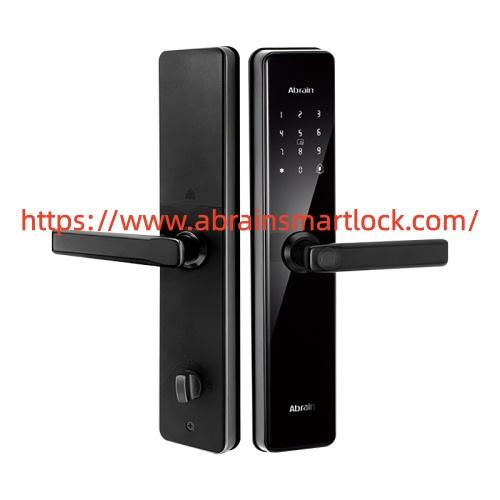
Waterproof Smart Lock selection requires careful attention to environmental conditions, door compatibility, access methods, material quality, and maintenance requirements. For homeowners, property developers, and commercial buyers, choosing suitable electronic entry equipment involves more than comparing appearance or digital functions. A practical purchasing decision starts with understanding where the device will be installed and how it will be used every day.
Outdoor entrances face different challenges from indoor doors. Rain, humidity, direct sunlight, dust, and seasonal temperature changes may affect electronic components over time. Before placing an order, consider whether the entrance is fully exposed, partially sheltered, or located in a humid corridor. These conditions help determine the level of environmental protection required.
Check the manufacturers specifications for water resistance and dust protection. An Ingress Protection rating, commonly called an IP rating, can provide useful information about resistance to solid particles and water under defined test conditions. However, buyers should verify what the stated rating covers instead of assuming every product can withstand continuous exposure to rain or water immersion.
Installation details also matter. A covered entrance may reduce direct rainfall, while a courtyard gate could experience wind driven moisture from several directions. Matching the product design to the actual environment can support dependable operation and help reduce avoidable maintenance.
Even a feature rich electronic entry device may require additional work if its dimensions do not match the existing door. Check the door material, thickness, opening direction, mounting space, and current hardware configuration before confirming an order.
Metal, wooden, aluminum profile, and glass doors may require different mounting arrangements. Buyers should also review the mortise dimensions, handle position, cable routing, and available installation holes. For replacement projects, sharing clear measurements and photographs with the supplier can help identify potential fitting issues before delivery.
For residential developments and commercial properties, consistency across multiple entrances may also influence purchasing decisions. Confirm whether the selected model can accommodate the required door specifications and whether installation guidance is available for the intended application.
Material selection deserves attention when equipment is installed in damp or exposed locations. Stainless steel, including 304 stainless steel, is commonly used in entrance hardware because of its corrosion resistance. Nevertheless, the overall result also depends on surface treatment, component quality, assembly, and exposure conditions.
Examine the external housing, keypad surface, fingerprint sensor, battery compartment, and connection points. Protective design should extend beyond the visible panel because moisture can affect internal electronics and electrical contacts. Ask the supplier about material specifications and the conditions used to evaluate environmental resistance.
Buyers should also consider the surrounding door hardware. Different metals and finishes may respond differently to moisture and cleaning products. Selecting compatible materials and following the manufacturers maintenance instructions can help preserve appearance and function over time.
Entry preferences vary between households, rental properties, offices, and shared residential buildings. Depending on the model, available methods may include fingerprint recognition, PIN codes, RFID cards, facial recognition, mobile access, or a mechanical key. Choose functions according to actual user requirements rather than paying for options that may rarely be used.
For properties with multiple occupants, check how credentials can be added, changed, and cancelled. Clear user management procedures can simplify staff changes, tenant turnover, and access adjustments. If remote operation is important, confirm the required network connection, application compatibility, and any additional equipment needed.
Battery management is equally important. Review the battery type, expected replacement procedure, low battery alerts, and emergency power options. A mechanical backup or supported external power connection can provide an alternative when the normal power supply becomes unavailable. Make sure the emergency procedure is practical for the people who will use the entrance.
The purchase price is only one part of the overall cost. Installation labor, replacement batteries, spare parts, servicing, and future access management may affect the long term budget. Buyers should request clear product specifications, warranty terms, maintenance guidance, and information about available technical support before placing an order.
For larger projects, it can be useful to confirm production schedules, customization options, packaging requirements, and quality inspection procedures. Ask whether sample evaluation is available and whether the supplier can provide relevant technical documentation. These steps help purchasing teams compare offers using consistent criteria.
A suitable entry system should meet the needs of the location, fit the door correctly, and offer manageable daily operation. Rather than relying on marketing claims alone, review the specifications and clarify any uncertainty with the manufacturer.
Abrain offers electronic entry solutions for residential entrances, villas, apartments, courtyard gates, and commercial applications, with product options that vary by design and function. Buyers evaluating materials, access methods, and installation requirements can review the available range at https://www.abrainsmartlock.com/product/ to compare models and identify a solution that aligns with their project specifications and intended environment.