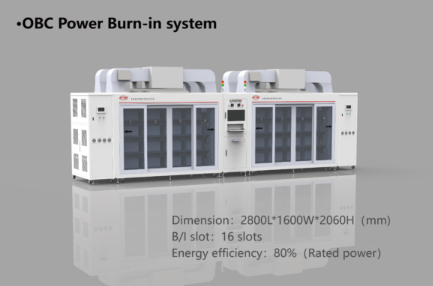
Automotive electronics systems power modern vehicles through intelligent controls, electrical management, and communication technologies. Reliable testing and automated manufacturing help improve performance, safety, and long-term operational stability.
1. The Growing Role of Automotive Electronics Systems
Modern automotive electronics systems support essential vehicle functions, including power management, motor control, charging, and electronic communication. As electric vehicles and intelligent driving technologies advance, manufacturers need dependable systems that can meet increasingly complex performance requirements.
2. Key Automotive Electronics Systems
Different automotive electronics systems serve specific purposes within a vehicle. Electric motor systems, onboard chargers (OBCs), domain controllers, and electronic control units help manage energy conversion, vehicle operations, and communication between electronic modules.
3. Why Testing Is Essential
Comprehensive testing helps ensure that automotive electronics systems operate according to their technical specifications. Electrical faults, communication failures, or unstable performance can affect vehicle reliability, making systematic verification an important part of automotive electronics manufacturing.
4. Advanced Testing Solutions from JETTEST
JETTEST provides specialized testing and aging equipment for automotive electronics systems, including electric motor systems, onboard chargers, and domain controllers. These solutions support functional performance testing, environmental stress screening, CAN/LIN communication diagnosis, and parallel aging processes.
5. Functional Performance Verification
Functional testing helps manufacturers confirm that automotive electronics systems perform their intended operations under defined conditions. Automated test equipment can evaluate electrical characteristics and system responses, helping identify defects before products move to subsequent manufacturing stages.
6. Communication Testing and Diagnostics
Modern automotive electronics systems depend on accurate communication between control modules. Testing equipment supporting CAN, CAN FD, and LIN protocols can help engineers identify communication errors, verify signal transmission, and assess electronic system performance.
7. Reliability and Burn-In Testing
Reliability testing is important because automotive electronics systems may operate under demanding electrical and environmental conditions. Burn-in testing exposes equipment to sustained operation, helping manufacturers detect early failures and improve confidence in product stability.
8. Supporting Electric Vehicle Development
The expansion of electric vehicles increases demand for reliable automotive electronics systems, particularly motor controllers and onboard chargers. Specialized testing solutions help manufacturers evaluate electrical performance and verify that critical electronic equipment meets its intended operating requirements.
9. Automation in Automotive Manufacturing
Automated production lines help manufacturers test automotive electronics systems with greater consistency and efficiency. Integrated testing, data collection, and aging processes can reduce repetitive manual work, improve traceability, and help quality teams identify production problems.
10. Building More Reliable Automotive Electronics Systems
As vehicle technology evolves, automotive electronics systems will become increasingly important to performance, connectivity, and electrification. By combining advanced testing equipment with systematic quality control, manufacturers can improve production reliability and respond to changing industry requirements.
Conclusion: Reliable automotive electronics systems depend on accurate testing, effective automation, and consistent quality management. JETTEST provides specialized automotive testing and aging solutions to help manufacturers strengthen product verification and improve manufacturing efficiency.