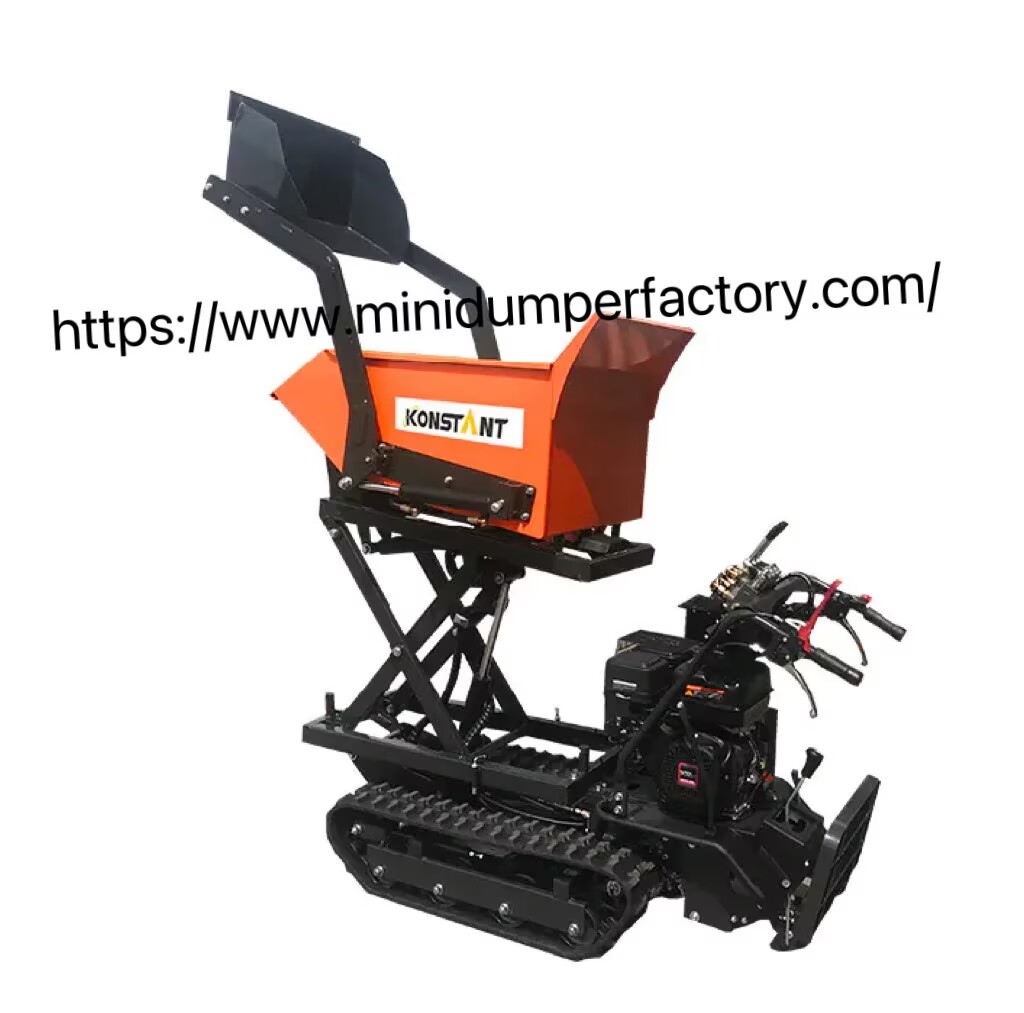
Power Barrow selection should begin with a clear understanding of the materials, site conditions, and daily workload involved in a project. For construction contractors, landscaping teams, equipment distributors, and agricultural businesses, choosing suitable machinery requires more than comparing prices. Buyers need to evaluate carrying capacity, access dimensions, discharge arrangements, operating requirements, maintenance needs, and delivery conditions before confirming an order.
Identify the Materials and Working Environment
Start by listing the materials that the equipment will transport. Soil, gravel, sand, bricks, concrete debris, mulch, and garden waste differ in weight, volume, and handling characteristics. A container that accommodates a large volume of lightweight material may not be appropriate for a smaller quantity of dense aggregate.
Next, describe the intended workplace. Construction projects may involve rubble and uneven surfaces, while garden maintenance often requires movement around plants, fences, and paved paths. Agricultural applications may involve transporting feed, soil, or supplies between different areas.
Providing these details helps the production team understand the intended application and discuss suitable configurations with the buyer.
Compare Rated Load and Hopper Volume
Carrying capacity and hopper volume should be reviewed together, but they measure different things. The rated load indicates the permitted weight under specified operating conditions, whereas hopper volume describes how much space is available for material.
Buyers should estimate the typical weight of each load instead of relying only on the container dimensions. Material density, moisture, and loading methods can change the actual weight considerably.
Ask for the rated payload, usable container volume, and relevant operating instructions. If the equipment will carry dense materials throughout the working day, clarify the permitted load and expected operating frequency before selecting a model.
Measure Access Width and Turning Space
A machine may have suitable carrying specifications but still be difficult to use if it cannot pass through the worksite. Measure gates, doorways, pathways, ramps, and storage entrances before making a decision.
Overall width is important, but buyers should also consider machine length, height, turning clearance, and ground clearance. The route should be assessed from the loading point to the unloading location, including any narrow sections or sharp turns.
Ground conditions deserve similar attention. Firm paving, loose gravel, wet soil, and sloping surfaces can place different demands on the drive system. Ask about available wheel or track configurations and confirm the operating limits for the intended terrain.
Review the Discharge Mechanism
Unloading arrangements can affect the daily workflow as much as carrying capacity. Depending on the application, buyers may need a manual tipping container, an assisted mechanism, or a powered hydraulic arrangement.
Consider how frequently the machine will unload and where the material needs to be placed. A landscaping team working near garden beds may have different requirements from a contractor clearing construction debris into a collection area.
Ask for information about tipping operation, discharge height where applicable, control positions, and maintenance access. Confirm that the proposed arrangement suits the unloading location and that operators can follow the specified procedure safely.
Examine Controls and Routine Maintenance
Before placing an order, request information about operating controls, braking arrangements, starting procedures, and applicable safety instructions. Operators should understand how to move, stop, park, load, and unload the machine under the conditions described in its manual.
Maintenance planning is also important for businesses that depend on regular equipment availability. Ask which components require routine inspection, how often servicing is recommended, and whether the supplier provides operating manuals and parts information.
For distributors, clear component identification and replacement-part enquiries can simplify communication with end users. Confirm the scope of technical assistance and any warranty conditions in writing rather than relying on informal assurances.
Clarify Customization and Order Requirements
Some buyers need specific colours, logos, labels, packaging, or accessory combinations. Before production begins, provide written requirements and confirm which modifications are available for the selected configuration.
For larger orders, establish a process for reviewing drawings, samples, or other agreed specifications. Changes made after approval may affect production arrangements, so the buyer and supplier should document revisions before proceeding.
A detailed quotation should identify the model, order quantity, included accessories, customization, inspection requirements, payment arrangements, and estimated production schedule. Clear documentation gives both parties a shared reference throughout the purchasing process.
Plan Shipping and Equipment Reception
International buyers should check shipping dimensions, package weight, protective packaging, loading arrangements, and destination documentation. These details influence freight planning, warehouse preparation, and the process of receiving the goods.
Ask whether the shipment will include an itemized packing list, operating documents, and the agreed accessories. For orders involving several models, confirm how each unit will be identified to help the receiving team check the delivery against the purchase order.
Before approving the final quotation, review the commercial terms and clarify any unresolved questions about delivery, inspection, or after-sales communication.For buyers comparing equipment for construction, landscaping, agriculture, or other material-handling applications, minidumperfactory provides a starting point for reviewing available machinery and discussing project requirements. Visit https://www.minidumperfactory.com/ to view product information, then prepare your expected load, material type, site measurements, unloading needs, order quantity, and destination so the supplier can discuss a configuration suited to your intended work.