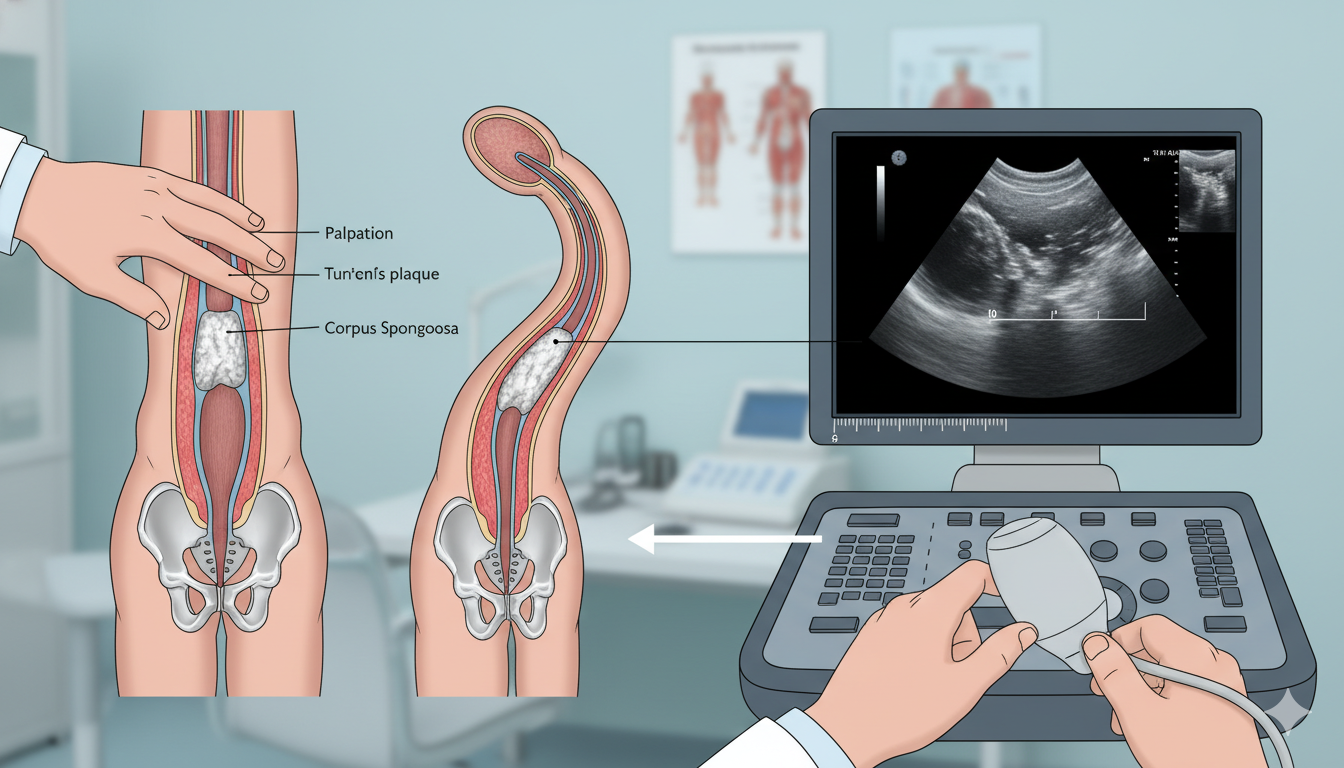
Peyronie's disease is a medical condition that affects the shape and function of the penis due to the development of scar tissue beneath its surface. This scar tissue, commonly known as plaque, can cause the penis to bend or curve during an erection. In some men, the condition also leads to penile pain, shortening, erectile dysfunction (ED), and difficulties with sexual intercourse.
Although Peyronie's disease can cause physical discomfort and emotional distress, it is a recognized medical condition with several management and treatment options. The severity varies from person to person. Some men experience only a mild curve that does not interfere with sexual activity, while others develop significant curvature that makes erections painful or intercourse difficult.
The condition is more common in middle-aged and older men, although younger men can develop it as well. Many men delay seeking medical attention because they feel embarrassed discussing changes in their sexual health. However, consulting a qualified urologist can help identify the condition, assess its severity, and determine the most appropriate treatment.
Understanding the symptoms, possible causes, diagnostic procedures, and available therapies is an important first step toward managing Peyronie's disease effectively.
What Is Peyronie's Disease?
Peyronie's disease is a connective tissue disorder in which fibrous scar tissue develops inside the penis, particularly in the tunica albuginea, the elastic covering surrounding the erectile chambers.
During a normal erection, these chambers fill with blood, allowing the penis to expand and become firm. The surrounding tissues stretch to accommodate this expansion. When a scar or plaque develops in the tunica albuginea, the affected area may not stretch normally. As a result, the penis can bend toward the side where the scar tissue restricts expansion.
The direction and degree of curvature depend on the location, size, and characteristics of the plaque. Some men notice an upward or downward curve, while others experience sideways bending, narrowing, or an indentation that creates an hourglass-like appearance.
Peyronie's disease is not penile cancer, is not generally contagious, and is not considered a sexually transmitted infection. It is also different from the normal plaque that can accumulate inside arteries. Although a minor injury may contribute to its development, the condition can occur without any clearly remembered injury.
Not every man with penile curvature has Peyronie's disease. Some men naturally have a slight curve that has been present since puberty. Peyronie's disease is more likely when curvature develops later in life or is accompanied by a palpable lump, pain, shortening, or a noticeable change in penile shape.
Common Symptoms of Peyronie's Disease
Symptoms can appear gradually or develop over a relatively short period. They may change as the scar tissue forms and matures. Recognizing the warning signs can help men seek appropriate medical evaluation before the condition significantly affects their quality of life.
1. Curvature of the Penis
One of the most recognizable symptoms is a new or worsening bend during an erection. The curvature may be upward, downward, or toward either side.
A mild curve may not interfere with sexual activity. However, more pronounced curvature can make penetration uncomfortable or difficult. In some cases, the penis may also develop a bend or indentation that becomes more obvious when erect.
2. Hard Lumps or Plaques
Some men can feel a firm area beneath the skin of the penis. This may be the fibrous plaque responsible for restricting the normal stretching of tissue.
The plaque may be easier to identify during a physical examination. Its presence does not automatically indicate a serious complication, but a new lump or change in penile tissue should be assessed by a healthcare professional.
3. Pain During Erections
Pain is relatively common during the earlier stages of Peyronie's disease. It may occur when the penis becomes erect or, less commonly, when it is flaccid.
Pain can range from mild discomfort to a more significant ache that interferes with sexual activity. In many cases, pain improves as the condition stabilizes, although the curvature may remain.
4. Shortening of the Penis
Scar tissue can restrict normal expansion, causing the penis to appear shorter during an erection. Some men also notice that the affected area pulls inward or creates an indentation.
Penile shortening can be particularly distressing because it may affect confidence and body image. Discussing this symptom with a urologist can help clarify the cause and identify realistic treatment goals.
5. Erectile Dysfunction
Peyronie's disease can occur alongside erectile dysfunction, which means difficulty achieving or maintaining an erection firm enough for sexual activity.
ED may be associated with pain, anxiety, impaired blood flow, or changes in the structure of erectile tissue. In some men, erection problems existed before the curvature appeared; in others, they develop during the course of the disease.
6. Difficulty With Sexual Intercourse
Significant curvature, pain, or reduced erection firmness can make intercourse difficult. Some men change their sexual activities to avoid discomfort, while others experience reduced sexual confidence or worry about disappointing their partners.
These effects are legitimate medical concerns, and treatment can address more than just the visible curve.
7. Changes in Penile Shape
In addition to bending, Peyronie's disease may cause narrowing, dents, an hourglass-shaped appearance, or a hinge-like area that becomes less stable during an erection.
Not everyone experiences all these symptoms. A urologist can evaluate the combination of symptoms to distinguish Peyronie's disease from other conditions affecting penile shape or function.
What Causes Peyronie's Disease?
The exact cause of Peyronie's disease is not fully understood. However, researchers believe that abnormal wound healing, inflammation, and certain genetic or connective tissue factors may contribute to plaque formation.
1. Injury to the Penis
Minor injuries to the penis are considered an important possible trigger. These injuries may occur during sexual intercourse, sports, physical activities, or accidents.
For example, an erect penis can bend unexpectedly if it strikes a partner's body or encounters excessive pressure. This may damage small blood vessels and tissues within the tunica albuginea.
During the healing process, the body normally repairs damaged tissue. In some men, however, excessive scar tissue develops instead of normal, flexible tissue. Over time, this scar tissue can form a plaque that restricts expansion and causes curvature.
Importantly, many men with Peyronie's disease do not remember experiencing a specific injury. Repeated minor injuries that go unnoticed may also play a role.
2. Abnormal Wound Healing
The body's response to injury is complex. In Peyronie's disease, the healing process may result in excessive collagen deposition and fibrosis, which is the formation of thickened scar tissue.
Rather than stretching normally during an erection, the affected area becomes less flexible. This difference in flexibility can gradually produce a bend, indentation, or other structural change.
3. Genetic Predisposition
Genetics may influence the likelihood of developing Peyronie's disease. Men with a family history of the condition or certain connective tissue disorders may have an increased risk.
However, having a family member with Peyronie's disease does not mean that another relative will necessarily develop it.
4. Connective Tissue Disorders
Some men with Peyronie's disease also have conditions involving abnormal connective tissue, such as Dupuytren's contracture, which causes thickening and tightening of tissue in the palm of the hand.
These associations suggest that some individuals may have a predisposition to developing excessive scar tissue in different parts of the body.
5. Age-Related Factors
Peyronie's disease becomes more common with increasing age. Changes in tissue elasticity, cumulative exposure to minor injuries, and the presence of other health conditions may contribute to this increased risk.
Nevertheless, the condition is not exclusive to older adults and can occur in younger men.
6. Other Health Conditions
Diabetes, erectile dysfunction, and certain cardiovascular or connective tissue conditions may be associated with a higher likelihood of Peyronie's disease or may complicate its management.
These associations do not establish a single cause for every case. A healthcare professional can review a patient's medical history and identify any additional health concerns that may need attention.
The Two Stages of Peyronie's Disease
Peyronie's disease is commonly described in two stages: the active phase and the stable phase. Identifying the stage is important because it can influence treatment decisions.

1. Active phase
During the active phase, the plaque is developing and the shape of the penis may continue to change. Curvature can worsen, and pain may occur during erections or occasionally at rest. This phase can last several months and sometimes up to 12–18 months.
2. Stable phase
During the stable phase, the curvature and plaque generally stop changing significantly. Pain often improves or disappears, although the bend, indentation, or shortening may persist. Erectile dysfunction can remain a concern and may require separate treatment.
The timing of these phases varies between individuals. A stable phase does not necessarily mean that the curvature will resolve on its own. Medical assessment can help determine whether observation, nonsurgical treatment, or surgery is appropriate.
How Is Peyronie's Disease Diagnosed?
A proper diagnosis is essential for choosing a safe and effective treatment. Men who notice new penile curvature, a hard lump, persistent pain, or erection difficulties should consult a qualified urologist.
1. Medical History
The doctor will ask about the onset and progression of symptoms, including when the curvature first appeared, whether it is worsening, and whether erections are painful.
The discussion may also cover sexual function, previous penile injuries, existing medical conditions, medications, and family history.
These questions help the doctor understand whether the condition is active or stable and whether erectile dysfunction or another health issue is also present.
2. Physical Examination
The urologist may examine the penis for palpable plaques, areas of thickening, tenderness, and changes in shape.
The examination can also help assess penile length and identify other physical findings that may influence treatment decisions.
3. Assessment of Penile Curvature
If the degree of curvature is unclear, the doctor may ask the patient to provide private photographs of an erection taken from appropriate angles. In some cases, medication is administered in a clinical setting to produce an erection so that the curvature can be measured objectively.
This assessment can help determine whether the bend is mild, moderate, or severe and whether it is likely to interfere with sexual intercourse.
4. Ultrasound Examination
Penile ultrasound may be recommended when additional information is needed. It can help assess the location of plaques and, when combined with Doppler evaluation, blood flow within the penis.
Ultrasound is particularly useful when erectile dysfunction is present or when the doctor needs more information before planning treatment or surgery. Not every patient requires imaging.
5. Evaluation of Erectile Dysfunction
If a patient reports difficulty achieving or maintaining an erection, the doctor may evaluate other contributing factors, including diabetes, cardiovascular health, medication effects, and psychological stress.
This is important because correcting penile curvature alone may not resolve erectile dysfunction when other causes are involved.
Treatment Options for Peyronie's Disease
Treatment depends on the severity of curvature, the degree of pain, changes over time, erectile function, and the effect on sexual activity and quality of life.
Some men with mild symptoms do not require active treatment. Others may benefit from nonsurgical therapies or surgery. There is no single treatment that is appropriate for every patient, and treatment does not always restore the penis to its original shape.
1. Observation and Monitoring
When curvature is mild, pain is minimal, and sexual function is not affected, the urologist may recommend monitoring the condition.
Observation involves tracking changes in curvature, pain, plaque development, and erection quality. Follow-up appointments can help determine whether the disease is progressing or has stabilized.
This approach can prevent unnecessary procedures in men whose symptoms do not substantially affect their lives.
However, monitoring should not be confused with ignoring the condition. New or worsening symptoms should be reported to the doctor.
2. Medication for Pain
Pain management may be helpful during the active phase. A healthcare professional may recommend an appropriate pain-relieving medicine, such as a nonsteroidal anti-inflammatory drug (NSAID), if it is safe for the individual.
These medicines may help reduce discomfort, but they do not reliably eliminate established scar tissue or straighten the penis.
Patients should consult a clinician or pharmacist before using these medicines, especially if they have kidney disease, stomach ulcers, cardiovascular conditions, or take blood-thinning medication.
3. Collagenase Injections
Collagenase clostridium histolyticum is an injectable enzyme that breaks down certain components of fibrous plaque. In suitable patients, it may reduce curvature and improve penile shape.
Treatment involves injections into the plaque administered by a trained healthcare professional, usually alongside a prescribed penile modeling procedure.
Collagenase is not appropriate for every type or severity of curvature. Eligibility depends on the plaque, the direction and degree of bending, the patient's medical circumstances, and local regulatory approval and availability.
Potential complications include bruising, swelling, pain, and, rarely, serious penile injury such as corporal rupture. Patients must understand the risks and follow the clinician's instructions carefully.
In the United States, collagenase has been an FDA-approved treatment for selected cases of Peyronie's disease. Its availability and approval status may differ by country.
4. Other Injections Into the Plaque
Depending on local guidelines and the individual case, a urologist may discuss other intralesional treatments, such as verapamil or interferon alfa-2b.
Evidence of benefit varies, and these treatments may not be available or recommended in every setting. They are not guaranteed to eliminate the plaque or restore normal penile shape.
Patients should ask their urologist about the expected improvement, number of treatments, side effects, and alternatives before starting an injection-based treatment.
5. Penile Traction Therapy
Penile traction therapy uses a medical device to apply controlled stretching to the penis for a prescribed duration.
Some clinical evidence suggests that traction may help reduce curvature or limit length loss in selected patients. Results vary according to the device, treatment schedule, disease characteristics, and consistency of use.
Traction devices should be selected with medical guidance. Incorrect use, excessive force, or prolonged stretching beyond instructions can cause pain or injury.
6. Vacuum Erection Devices
A vacuum erection device creates negative pressure around the penis to draw blood into the erectile tissue. These devices are used primarily for erection assistance, although they may be considered in selected Peyronie's disease management plans.
Evidence that vacuum devices alone can reliably correct established curvature is limited. They should not be presented as a guaranteed cure.
A urologist can explain whether a vacuum device is appropriate and how to use it safely.
7. Oral Medicines and Supplements
Many men search for tablets, vitamins, or supplements advertised as treatments for Peyronie's disease. However, there is no established oral medicine that reliably removes established plaque and corrects penile curvature.
Some medicines may be prescribed for associated pain or erectile dysfunction, but these treatments address specific symptoms rather than necessarily correcting the underlying deformity.
Vitamin E and various unregulated supplements have not demonstrated sufficiently reliable benefits to be considered established treatments for penile curvature.
Before taking any supplement, patients should discuss its ingredients, potential interactions, and evidence of effectiveness with a healthcare professional.
8. Shockwave Therapy
Extracorporeal shockwave therapy directs acoustic waves toward the affected area. It has been studied as a treatment for Peyronie's disease, particularly for pain.
Current evidence does not establish shockwave therapy as a reliable method for straightening the penis or removing established plaque. It should not be marketed as a proven cure for curvature.
A urologist can explain whether it has a reasonable role in an individual's treatment plan and discuss other options with stronger evidence for the intended outcome.
9. Surgery for Peyronie's Disease
Surgery may be considered when the curvature has stabilized and causes significant difficulty with intercourse, substantial deformity, or persistent functional problems.
The choice of operation depends on penile length, the severity and direction of curvature, erectile function, and the patient's priorities.
Common surgical approaches include:
-
Penile plication: Tissue on the side opposite the plaque is shortened or folded to straighten the penis. This can be effective for suitable cases, but it may reduce penile length.
-
Plaque incision or excision with grafting: The surgeon releases or removes part of the restrictive plaque and places a graft to cover the defect. This may be considered for more complex curvature, but risks include erectile dysfunction, altered sensation, and other complications.
-
Penile implant surgery: An implant may be recommended when Peyronie's disease occurs alongside erectile dysfunction that does not respond adequately to less invasive treatments. Additional straightening procedures may sometimes be needed.
Surgery has potential risks and may not completely restore the original length, shape, or function of the penis. A detailed consultation with an experienced urologist is important before choosing a procedure.
Can Peyronie's Disease Cause Erectile Dysfunction?
Yes. Peyronie's disease can occur alongside erectile dysfunction (ED), although not every man with penile curvature experiences erection problems.
ED refers to difficulty achieving or maintaining an erection firm enough for satisfactory sexual activity. In men with Peyronie's disease, several factors may contribute to this problem.
-
Physical changes: Fibrous plaques can alter the structure of erectile tissue and affect how the penis expands.
-
Blood flow problems: Some men have underlying vascular conditions that affect erection quality.
-
Pain during erections: Discomfort may make sexual activity difficult or reduce confidence.
-
Anxiety and stress: Worry about penile appearance, sexual performance, or pain can contribute to erection difficulties.
-
Other health conditions: Diabetes, high blood pressure, and cardiovascular disease may contribute to ED independently of Peyronie's disease.
Treatment depends on the cause. A doctor may recommend medication for erectile dysfunction, lifestyle changes, a vacuum erection device, or other therapies when appropriate. Men with severe ED and significant penile curvature may be candidates for penile implant surgery.
It is important to understand that treating erectile dysfunction and correcting penile curvature are related but different goals. A treatment that improves erection firmness may not straighten the penis, while a procedure that corrects curvature may not resolve every cause of ED.
Lifestyle Changes That May Support Treatment
Lifestyle changes cannot reliably eliminate Peyronie's disease or dissolve established plaque. However, maintaining general health can support erectile function and improve overall well-being.
1. Maintain a Healthy Weight
Excess body weight is associated with several conditions that can affect circulation and erectile function. Maintaining a healthy weight through balanced nutrition and physical activity can support cardiovascular health.
2. Manage Diabetes and Blood Pressure
Men with diabetes, hypertension, or high cholesterol should work with their healthcare providers to keep these conditions under control.
Good management can reduce cardiovascular risks and may help address factors contributing to erectile dysfunction.
3. Stop Smoking
Smoking damages blood vessels and is associated with erectile dysfunction. Quitting can improve overall cardiovascular health and support normal blood circulation.
4. Avoid Activities That Cause Penile Injury
During sexual activity, avoid positions or movements that cause pain or place excessive bending pressure on the penis. If an activity produces discomfort, stop and reassess rather than continuing through pain.
Men with active symptoms should ask their urologist whether any temporary activity modifications are appropriate.
5. Maintain Open Communication With Your Partner
Peyronie's disease can affect intimacy and confidence. Discussing symptoms and treatment with a partner can reduce misunderstandings and help both people adjust to temporary or ongoing changes in sexual activity.
6. Seek Support for Emotional Distress
Some men experience anxiety, embarrassment, low self-esteem, or relationship stress because of penile curvature or erection problems.
Counselling or psychosexual therapy may help address these concerns, particularly when worry about sexual performance becomes overwhelming.
These steps complement medical care but should not replace assessment by a qualified urologist.
Possible Complications of Peyronie's Disease
The complications depend on the degree of curvature, associated symptoms, and how the condition affects everyday life.
Common concerns include:
-
Painful erections: Scar tissue can cause discomfort when the penis expands.
-
Difficulty with intercourse: Severe curvature may interfere with penetration or make sexual activity painful.
-
Erectile dysfunction: Some men develop or experience worsening erection problems.
-
Penile shortening: Changes in tissue flexibility may reduce erect length.
-
Emotional distress: Changes in appearance or sexual function can affect confidence and mental well-being.
-
Relationship difficulties: Fear of pain or concerns about sexual performance may create stress between partners.
Not every man develops these complications. Early assessment can help identify problems, clarify treatment options, and reduce the risk of allowing avoidable functional or emotional difficulties to continue untreated.
When Should You See a Doctor?
You should arrange an appointment with a qualified urologist if you notice a new bend in your penis, a hard lump beneath the skin, painful erections, shortening, or difficulty maintaining an erection.
Medical assessment is particularly important when symptoms are progressing or beginning to interfere with sexual activity.
Seek urgent medical care if you experience a sudden penile injury accompanied by a popping sound, immediate loss of erection, severe pain, rapid swelling, or extensive bruising. These symptoms may indicate a penile fracture or another serious injury rather than ordinary Peyronie's disease.
A sudden, severe injury should not be managed at home or delayed until a routine appointment.
Can Peyronie's Disease Be Cured?
The outcome varies. Some men experience improvement in pain, and a minority may have substantial improvement in their symptoms without treatment. However, established penile curvature often persists even after pain resolves.
Nonsurgical treatments may improve curvature or symptoms in selected patients, while surgery can provide more substantial straightening when the condition causes significant functional problems.
No treatment guarantees that the penis will return exactly to its previous shape or length. The most appropriate goal is to improve function, reduce discomfort, and achieve an outcome that aligns with the patient's medical needs and preferences.
A urologist can explain the likely benefits and limitations of each option based on the stage and severity of the disease.
Frequently Asked Questions About Peyronie's Disease
1. Is Peyronie's disease dangerous?
Peyronie's disease is generally a benign condition, meaning that the scar tissue itself is not cancerous. However, it can cause pain, penile deformity, erectile dysfunction, and difficulty with intercourse. Medical evaluation is recommended when symptoms develop or worsen.
2. Can Peyronie's disease go away naturally?
In some men, pain and inflammation improve over time. A small number may experience substantial improvement in the overall condition, but established curvature frequently remains. A urologist can help determine whether monitoring or treatment is appropriate.
3. Does Peyronie's disease affect sexual performance?
Yes. Significant curvature, pain, or erectile dysfunction may affect sexual performance and satisfaction. Mild cases may have little effect on sexual activity, and treatments can help selected patients improve function.
4. Can Peyronie's disease cause infertility?
Peyronie's disease does not usually directly affect sperm production. However, severe curvature or erectile dysfunction may make intercourse difficult, which can create practical challenges when trying to conceive.
5. Is Peyronie's disease more common in older men?
Yes. The likelihood increases with age, although the condition can occur in younger adults. Age alone does not determine severity or the need for treatment.
6. Can medicines straighten the penis?
Most oral medicines have not been shown to reliably correct established penile curvature. Certain injections and traction therapies may help selected patients, while surgery may be considered for severe or functionally limiting deformity.
7. Does Peyronie's disease always require surgery?
No. Many men do not need surgery, particularly when the curve is mild and sexual function is not significantly affected. Observation, nonsurgical treatment, or surgery may be appropriate depending on individual circumstances.
8. Can Peyronie's disease return after treatment?
Symptoms or curvature may persist, recur, or change after treatment. The risk depends on the treatment used, the underlying condition, and individual healing. Follow-up with a urologist helps monitor the outcome and identify further treatment needs.
9. Can Peyronie's disease affect mental health?
Yes. Concerns about penile appearance, sexual performance, pain, or intimacy can contribute to anxiety and reduced confidence. Medical counselling and psychological support can be useful alongside physical treatment.
10. Which doctor treats Peyronie's disease?
A urologist is the most appropriate specialist for diagnosing and treating Peyronie's disease. A urologist with experience in sexual medicine or penile reconstructive surgery may be particularly helpful for complex cases.
Conclusion
Peyronie's disease is a condition involving fibrous scar tissue within the penis that can cause curvature, pain, shortening, and erectile dysfunction. Although its exact cause remains uncertain, minor injuries and abnormal wound healing are believed to play important roles in many cases.
The condition affects individuals differently. Some men have mild symptoms that require only observation, while others need medication for associated symptoms, injections, traction therapy, or surgery. The appropriate treatment depends on the degree of curvature, disease progression, erection quality, and impact on sexual function.
Seeking professional advice is an important step toward understanding the condition and choosing a suitable management plan. Men should avoid unproven remedies and treatments promising guaranteed penile straightening. With an accurate diagnosis, realistic expectations, and appropriate medical care, many men can improve their symptoms and quality of life.
Medical References
The following authoritative resources provide additional information about Peyronie's disease, its diagnosis, and treatment.
-
National Institute of Diabetes and Digestive and Kidney Diseases (NIDDK) — Penile Curvature (Peyronie's Disease).
-
NHS — Peyronie's Disease.
-
Urology Care Foundation — Peyronie's Disease: Symptoms, Diagnosis and Treatment.
-
European Association of Urology — Guidelines on Penile Curvature.
Medical disclaimer: This article is intended for general educational purposes and does not replace professional medical advice, diagnosis, or treatment. Treatment decisions should be made with a qualified healthcare professional.