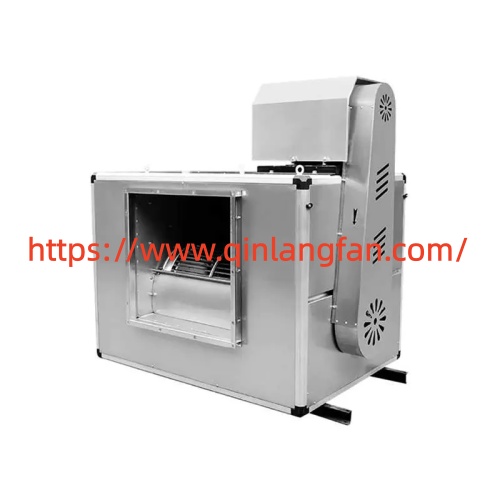
High Pressure Centrifugal Fan selection deserves careful attention before an order is placed, especially when a ventilation system must move air through long ducts, filters, industrial equipment, or other sources of resistance. A unit that appears suitable on paper may behave differently once connected to the actual system. For purchasing teams, the goal is to understand the working conditions, compare technical details, and avoid paying for a configuration that does not fit the application.
Start with the required airflow and static pressure. These two figures provide a practical foundation for equipment selection. Airflow indicates the volume of air that needs to move within a given period, while static pressure relates to the resistance the equipment must overcome. They should be considered together rather than treated as separate targets. A factory extracting warm air from a production area may have different needs from a workshop supplying air through several branches of ductwork.
Before contacting a supplier, gather as much information as possible about the system. Record the duct dimensions, approximate duct length, number of bends, filter arrangements, dampers, and any other components that restrict movement. If the equipment will replace an existing unit, operating records can provide a useful starting point. These details help the technical team assess the application without relying on guesswork.
The next point is the performance curve. Rated airflow and pressure values do not tell the whole story because actual performance changes with system resistance. Ask for the relevant fan curve and check whether the proposed operating point falls within a suitable working range. It is also worth confirming how the figures were measured and whether they represent the intended operating conditions. This makes comparisons between different quotations more meaningful.
Motor selection deserves similar attention. Check the rated power, voltage, frequency, phase requirements, starting method, and expected operating schedule. A facility running ventilation equipment for several shifts may have different energy priorities from a site that uses it intermittently. Motor efficiency, speed control options, and compatibility with the existing electrical supply can all influence running costs and installation work.
The surrounding environment should shape the specification too. Dust, moisture, heat, corrosive substances, and suspended particles can affect the materials and construction required. A unit handling relatively clean air may need a different arrangement from one serving a woodworking plant or a manufacturing process that produces airborne debris. Buyers should explain the nature of the air being moved instead of describing the application simply as general ventilation.
Noise and vibration are easy to overlook during the quotation stage. Yet they can become daily concerns when equipment is installed near workstations, offices, or neighboring properties. Ask about expected sound levels under the intended operating conditions and check whether the installation requires vibration isolation, flexible connectors, or additional acoustic treatment. The foundation, mounting arrangement, and alignment of connected ductwork also influence how the system performs after commissioning.
Maintenance access is another practical consideration. Ask how the impeller, motor, bearings, and other serviceable parts can be inspected. Confirm the recommended inspection intervals, lubrication requirements, and availability of replacement components. If a shutdown would interrupt production, it is useful to discuss routine servicing before the equipment arrives. A design that allows technicians to carry out ordinary checks without extensive dismantling can make ongoing maintenance easier to organize.
Supplier communication can prevent expensive misunderstandings. Provide the required airflow and pressure, air characteristics, site conditions, power supply, installation dimensions, and expected running hours. Request a written specification that identifies the proposed configuration, accessories, delivery scope, and any assumptions behind the quotation. Drawings and connection details should also be reviewed before manufacturing begins, particularly when the equipment must fit into an existing ventilation layout.
Price still matters, but the purchase cost is only one part of the decision. Electricity consumption, servicing, spare parts, installation labor, and potential downtime all contribute to the cost of ownership. Comparing quotations on a consistent technical basis gives buyers a clearer picture of what each supplier is offering. A lower initial price may not provide the expected savings if the selected configuration requires frequent adjustments or does not meet the system demand.
Qinlang provides industrial fan solutions for buyers who need to evaluate equipment against specific operating conditions. Before finalizing an order, prepare your performance targets and installation details, then discuss the required configuration with the supplier. Reviewing the product range at https://www.qinlangfan.com/product/ can be a useful starting point for identifying relevant options and moving toward a specification that fits your project.