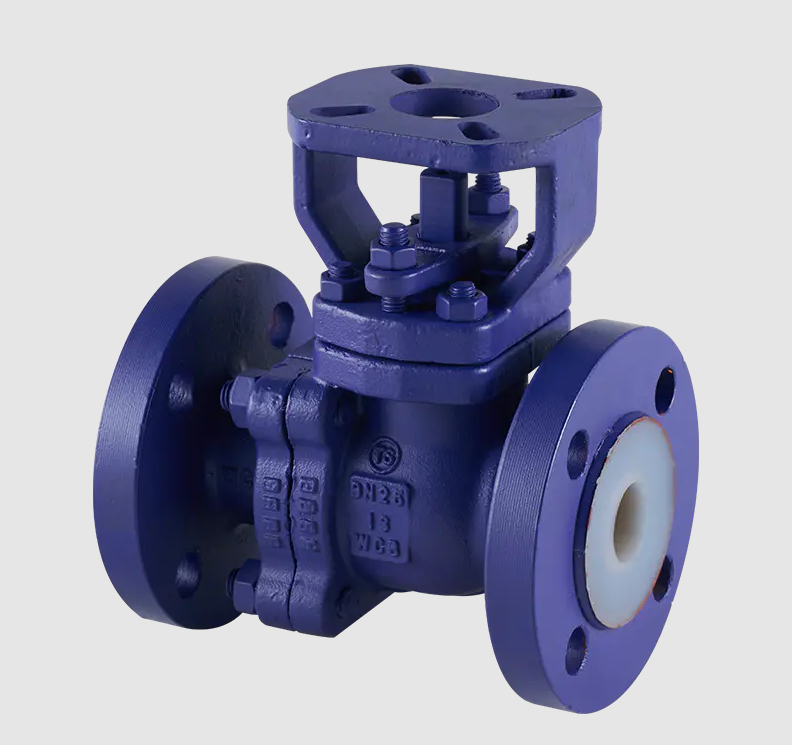
A Cast Steel Ball Valve is widely used in industrial piping systems where dependable shutoff and convenient operation are required. Its internal ball contains a bore that allows fluid to pass through when the valve is open. When the handle or actuator turns the ball, the bore moves away from the flow path, closing the passage. This straightforward structure makes the valve suitable for many liquid and gas applications.
Cast steel is commonly selected for valve bodies because it provides mechanical strength and supports a range of industrial operating conditions. Depending on the material grade, pressure rating, and design, a cast steel ball valve can be used in oil and gas facilities, chemical processing plants, water treatment systems, and general manufacturing operations. Selecting a suitable model requires attention to the actual service environment rather than relying on the valve name alone.
One important factor is the connection between the valve and the pipeline. Flanged cast steel ball valves are often used in industrial installations where secure connections and convenient maintenance access are needed. Threaded or other connection designs may be available for specific systems, depending on the valve size and applicable standards.
The sealing structure also affects valve performance. Seats and sealing components must match the working medium, temperature, and pressure conditions. For example, a valve handling water may require different sealing considerations from one used with oil, steam, or certain chemicals. Material compatibility should be checked before installation to reduce the risk of leakage or premature wear.
Operating methods are another consideration. Manual valves are suitable for applications where operators can access the installation directly. Pneumatic or electric actuators may be used when remote control or integration with an automated process is necessary. The selected actuator should provide the torque required to operate the valve under actual service conditions.
Regular inspection helps maintain dependable operation. Operators should check for external leakage, unusual resistance during operation, damaged connections, and signs of corrosion. The pipeline should also be isolated and depressurized before maintenance begins.
For industrial operators, choosing a Cast Steel Ball Valve involves evaluating the medium, operating pressure, temperature range, connection type, and control requirements together. A properly selected valve can support consistent flow management and reliable isolation throughout its intended service life.
https://www.caststeelvalve.com/product/ball-valve/