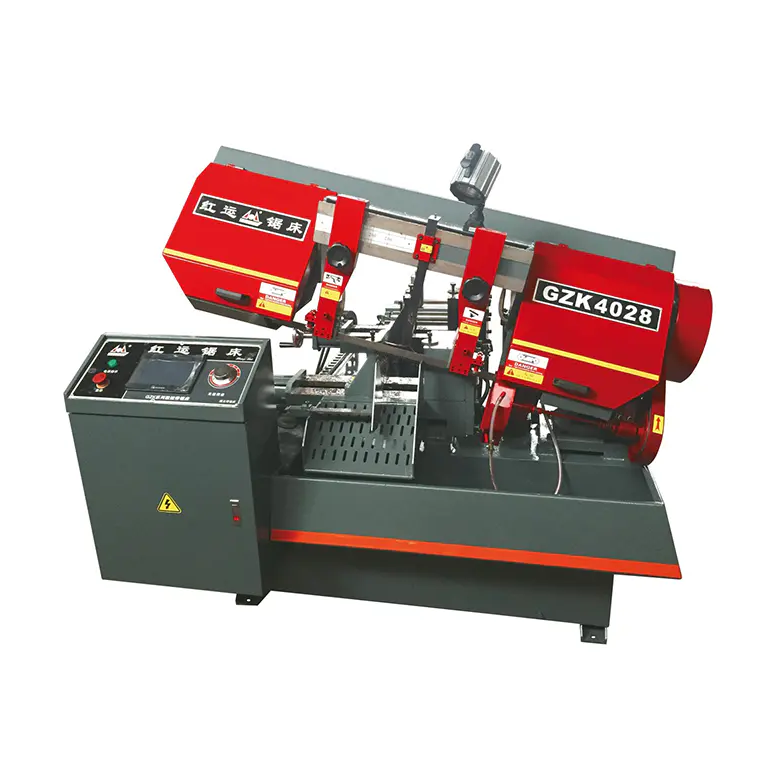
A CNC Sawing Machine plays an important role in modern metal processing, especially when manufacturers need repeatable cutting results and reliable production schedules. From metal fabrication workshops to industrial component factories, automated sawing equipment helps operators prepare raw materials for further machining and assembly. By combining programmed control with mechanical cutting systems, a CNC sawing machine can reduce manual adjustments and improve workflow organization. For businesses handling different material sizes and production volumes, choosing suitable sawing equipment can make daily operations easier to manage.
How CNC Control Changes Cutting Operations
Traditional sawing often requires operators to measure materials, position workpieces, and adjust cutting settings manually. A CNC sawing machine uses programmed instructions to control feed movement, cutting length, and other available functions. Once the parameters are entered, the machine follows the selected cutting process with less repeated manual intervention. This arrangement is useful when a workshop needs to cut multiple bars, tubes, or profiles according to specified dimensions.
Material Compatibility and Blade Selection
Different metals require different cutting approaches. Aluminum, carbon steel, stainless steel, and alloy materials vary in hardness, thickness, and heat response. Selecting a suitable saw blade and cutting speed helps maintain edge quality while controlling blade wear. Before purchasing a CNC metal cutting saw, buyers should confirm the material range, maximum workpiece dimensions, and available blade specifications. These details help determine whether the machine fits existing production requirements.
Improving Batch Production Efficiency
Manufacturers frequently process materials in batches for machining, welding, or fabrication. Automatic feeding and programmable cutting lengths can reduce repeated measuring work between cuts. Some CNC sawing systems also support multiple cutting programs, allowing operators to switch between production tasks with fewer setup changes. Actual productivity depends on material characteristics, cutting parameters, loading methods, and the machine configuration.
Workplace Safety and Operator Convenience
Modern sawing equipment may include protective covers, emergency stop controls, and systems for securing workpieces. These features help reduce exposure to moving blades and improve control during operation. Operators still need appropriate training, regular inspections, and suitable protective equipment. Buyers should review the machine's safety configuration and maintenance requirements before installation.
Maintenance and Long-Term Operating Costs
Routine maintenance supports stable cutting performance. Blade inspection, coolant management where applicable, cleaning, and lubrication can help prevent unnecessary interruptions. Checking the clamping mechanism and feed system also helps identify wear before it affects production. When evaluating a CNC sawing machine, procurement teams should consider spare parts availability, technical support, energy consumption, and expected maintenance intervals.
Selecting Equipment for Your Production Needs
A suitable CNC Sawing Machine should match the materials, cutting dimensions, output targets, and available workshop space. Buyers should also assess automation options, control interfaces, installation requirements, and operator training. Reviewing these factors before purchase helps manufacturers select equipment that supports daily production and maintains consistent cutting results across different orders.
https://www.cnzjhyjc.com/product/cnc-sawing-machine/