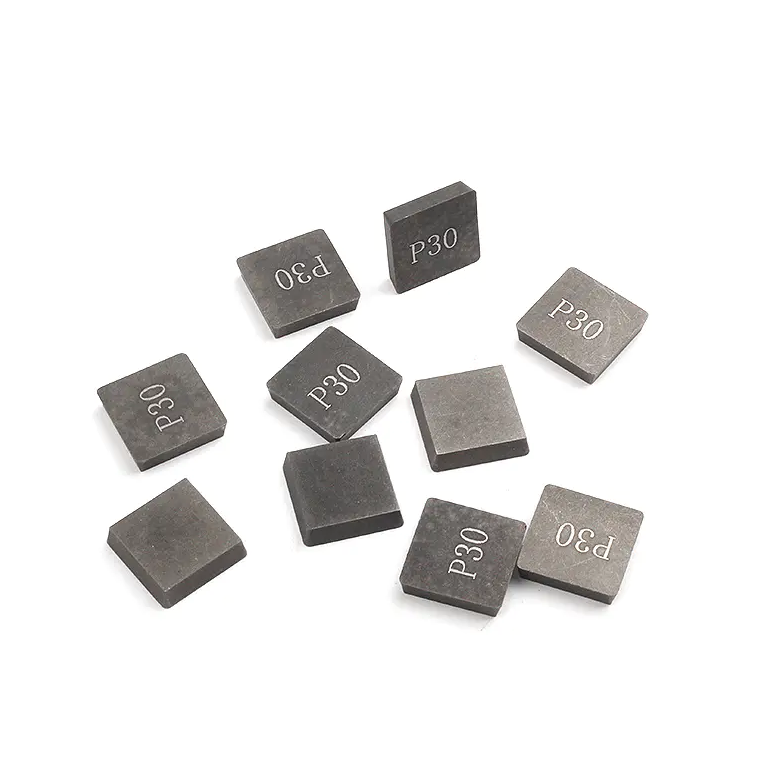
A Carbide Welding Blade is designed for cutting applications where edge durability, cutting stability, and resistance to wear are important. In metalworking workshops, fabrication facilities, and industrial production lines, the blade needs to handle repeated contact with workpieces while maintaining predictable cutting performance. Selecting a suitable blade involves more than checking its dimensions. Material compatibility, tooth design, welding quality, and operating conditions all influence the final result.
Understanding Carbide Welding Blade Construction
A carbide welding blade typically combines carbide cutting material with a supporting blade body or substrate. The carbide component provides hardness and wear resistance, while the base material contributes strength and structural support. The connection between these components is important because the blade experiences repeated mechanical stress during operation. Properly controlled welding helps maintain a secure bond and supports stable cutting under suitable working conditions.
Matching the Blade to the Workpiece
Different metals place different demands on cutting tools. Carbon steel, alloy steel, stainless steel, and other metal materials can vary in hardness, toughness, and thermal behavior. Before choosing a Carbide Welding Blade, users should identify the workpiece material and its dimensions. Blade specifications should correspond to the cutting task rather than relying on a general-purpose selection for every application.
The Role of Tooth Geometry
Tooth shape and spacing affect how the blade removes material. A suitable tooth configuration can help control chip formation, reduce unnecessary vibration, and maintain a steady cutting process. Fine tooth spacing may be appropriate for certain thin materials, while other workpieces may require a different arrangement to manage chip clearance. The correct choice depends on material thickness, machine capability, and the desired surface finish.
Welding Quality and Service Life
The welded connection between carbide and the blade body influences tool reliability. Inconsistent bonding may contribute to premature damage, particularly when the blade encounters vibration or changing cutting loads. Manufacturers should pay attention to joint preparation, welding temperature, alignment, and inspection procedures. These production controls help support dependable performance during repeated use.
Operating Conditions and Maintenance
Cutting speed, feed rate, machine alignment, and cooling conditions can all influence blade wear. Excessive feed pressure may increase stress on the cutting edge, while poor alignment can produce uneven contact. Operators should follow the recommended operating parameters, inspect the blade regularly, and replace damaged tools before they affect production quality.
Choosing a Supplier for Industrial Applications
For industrial buyers, purchasing a Carbide Welding Blade also involves evaluating specification consistency, customization options, production capacity, and technical support. Clear communication about workpiece materials, machine models, and expected cutting conditions helps manufacturers recommend an appropriate configuration. A carefully selected blade can support stable production, manageable tooling costs, and consistent cutting results.
https://www.gardentoolsfactory.net/product/chain-saw/