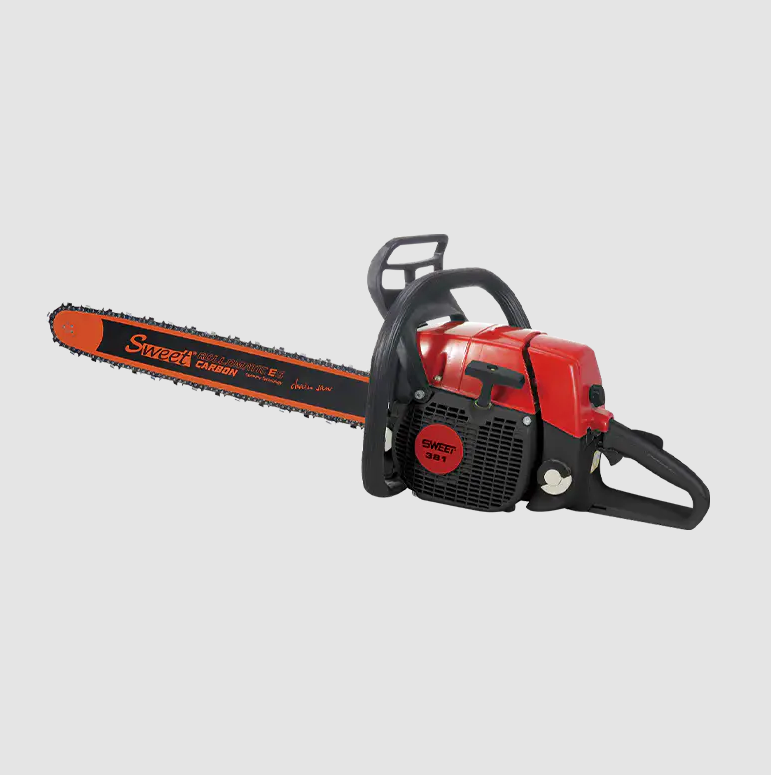
Gasoline chain saws remain useful tools for forestry work, landscaping, firewood preparation, and outdoor property maintenance. For distributors and equipment retailers, working with a reliable gasoline chain saw supplier helps maintain product availability and meet different customer requirements. Before placing an order, buyers should consider engine performance, cutting capacity, operator comfort, and maintenance needs. These factors influence how a product performs in daily applications and how easily it can be sold to different customer groups.
Understand the Needs of Your Customers
Different users require different types of chain saws. Homeowners may prefer lightweight models for occasional pruning and firewood cutting, while professional operators often need equipment designed for extended working periods. Retailers should identify the main applications in their target markets before selecting a product range. A gasoline chain saw supplier that offers several engine sizes and bar lengths can help distributors serve a wider customer base without purchasing unrelated equipment.
Evaluate Engine Performance
Engine displacement, power output, fuel consumption, and starting behavior all affect the user experience. Buyers should review technical specifications and confirm whether the engine configuration suits the intended cutting tasks. An appropriate balance between power and weight can make equipment easier to handle during routine operations. Clear specification sheets also help sales teams explain product differences to customers.
Check Cutting Components
The guide bar and saw chain directly influence cutting efficiency and maintenance requirements. Buyers should confirm the available bar lengths, compatible chain types, replacement part availability, and recommended sharpening procedures. Products supported by accessible spare parts can help reduce service delays after equipment reaches the end user.
Review Safety Features
Chain brakes, throttle locks, hand guards, and anti-vibration systems are important considerations when evaluating gasoline chain saws. Importers should check applicable safety requirements in their destination markets and request relevant product documentation. Clear operating instructions and maintenance guidance can also help distributors support responsible product use.
Consider Wholesale Supply Capabilities
For bulk purchasing, buyers should review minimum order quantities, production schedules, packaging options, and delivery arrangements. Consistent communication about order status helps distributors coordinate inventory and avoid unnecessary stock shortages. A supplier that explains its ordering process clearly can make purchasing easier for both established wholesalers and smaller retailers.
Plan for After-Sales Support
Maintenance is part of the ownership cycle for gasoline-powered cutting equipment. Air filters, spark plugs, starter components, guide bars, and chains may require periodic inspection or replacement. Before confirming an order, buyers should ask about spare parts, warranty terms, technical assistance, and the availability of service documentation.
Choosing a gasoline chain saw supplier involves more than comparing unit prices. Buyers should assess product specifications, safety provisions, supply arrangements, and ongoing service support together. By matching equipment to local demand and preparing a practical inventory plan, distributors can build a product range that supports customer needs and sustainable business development.
https://www.gardentoolsfactory.net/product/chain-saw/