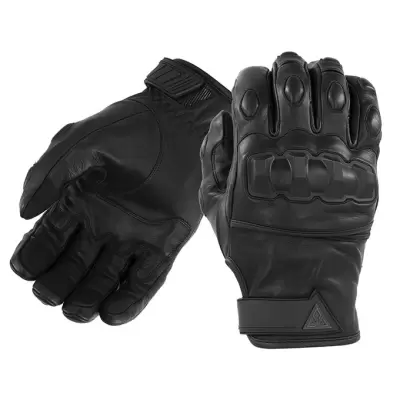
Your hands are among the most exposed and most valuable tools you have, especially in professions where danger is part of the job. Police officers, security staff, military personnel, and emergency responders all rely on their hands to hold equipment, operate tools, and react under pressure. A single serious hand injury can end a shift, a season, or even a career.
This is why h igh quality hard knuckle gloves have become essential protective equipment, and why understanding how they work helps you choose them wisely.
1. Why the Hands Are So Vulnerable:
The human hand contains a complex network of small bones, tendons, nerves, and joints packed into a compact space. The knuckles, in particular, sit close to the surface with little natural padding. Even a moderate impact against a hard surface can cause bruising, fractures, or damage to the joints that takes weeks or months to heal.
In high-risk environments, these impacts are not rare accidents. They happen when moving through tight spaces, forcing entry, handling resistant subjects, working around debris, or reacting to sudden threats. Standard fabric or thin leather gloves offer little defense in these moments, which is exactly the gap that hard knuckle protection is designed to fill.
2. How the Hard Knuckle Shell Absorbs and Distributes Impact:
The defining feature of these gloves is the rigid protective shell covering the back of the hand and knuckles. Made from materials such as thermoplastic polyurethane, high-density polymers, or composite fibers, the shell does more than simply block contact. When force strikes the surface, the hard material spreads the impact across a much larger area instead of letting it concentrate on a single point of bone.
Beneath the shell, quality gloves add a layer of shock-absorbing foam or padding. The shell handles the spreading of force while the foam cushions what remains, so the energy reaching the hand is greatly reduced. This layered design is what separates truly protective gloves from those that only look rugged.
3. Protection Against Cuts, Abrasions, and Sharp Hazards:
Impact is only one of the threats hands face. Broken glass, metal edges, fences, rough concrete, and debris are common in emergency scenes, searches, and crowd situations. High quality hard knuckle gloves are built from durable full-grain leather or abrasion-resistant technical fabrics that resist tearing and scraping far better than ordinary materials.
Reinforced stitching and strengthened palm and finger areas add further defense where wear and contact are most likely. Many professional models also incorporate cut-resistant linings, which help guard against slashes and sharp edges without making the glove too bulky to use effectively.
4. Safety in Confrontational and Crowd-Control Situations:
For law enforcement and security professionals, physical confrontation is an unavoidable possibility. During arrests, restraint, or crowd control, hands can be struck, stepped on, crushed, or pulled. Hard knuckle gloves reduce the risk of injury during these unpredictable moments by shielding the most exposed areas of the hand.
This protection also supports confidence and focus. When officers know their hands are covered, they can concentrate on assessing the situation and acting decisively rather than worrying about injury. That mental advantage is difficult to measure, but it contributes meaningfully to performance under stress.
5. Protection During Breaching, Rescue, and Tactical Operations:
Tactical teams, firefighters, and rescue workers often need to move through damaged structures, push aside rubble, or force through doors and barriers. In these tasks, the back of the hand frequently meets hard, irregular surfaces. Knuckle protection helps prevent the crushing injuries and lacerations that commonly occur in such conditions.
At the same time, these professionals still need to grip tools, ropes, and equipment securely. High quality designs address this by keeping the palm and fingers flexible and well-gripped while concentrating the hard protection on the back of the hand, where it is needed most.
6. Maintaining Dexterity While Staying Protected:
A glove that protects but cannot be used properly creates its own risks. If wearers must remove their gloves to operate a radio, handle a firearm, or use a tool, the protection is lost at the very moment it may be needed.
Well-engineered hard knuckle gloves balance both needs. Pre-curved fingers, articulated knuckle sections, stretch panels, and sensitive fingertip areas allow natural movement and precise control. Secure wrist closures keep the glove firmly positioned, ensuring the protective elements stay exactly where they should be during rapid movement.
7. Environmental Protection: Weather, Heat, and Moisture
High-risk situations rarely occur in comfortable conditions. Cold weather stiffens fingers and reduces feeling, wet conditions weaken grip, and heat can make hands sweat and slip inside poorly made gloves. Quality gloves account for this with breathable linings, moisture-wicking materials, and treated surfaces that maintain performance across varying climates.
Maintaining comfort and grip in difficult conditions is itself a form of protection, since numb, slippery, or fatigued hands are far more prone to mistakes and injury.
8. Why Quality Makes the Difference:
Not every pair marketed as hard knuckle gloves delivers genuine protection. Low-cost alternatives often use brittle plastic that cracks on impact, thin padding that compresses to nothing, and weak stitching that fails under strain. In a real emergency, these shortcomings can leave the wearer with a false sense of security.
When choosing gloves, examine the knuckle shell material and the padding beneath it, check the quality of the leather or fabric, look for reinforced stitching at stress points, and confirm the fit is snug without restricting circulation. Sourcing from a reputable manufacturer who provides clear material specifications and consistent quality is especially important when outfitting entire teams.
Conclusion:
High-risk situations demand equipment that performs when it matters most. High quality hard knuckle gloves protect your hands through a combination of rigid impact-spreading shells, cushioning layers, durable and cut-resistant materials, and thoughtful design that preserves dexterity and grip. By absorbing shocks, resisting cuts, and withstanding harsh conditions, they help professionals stay safe, focused, and capable of doing their jobs. Choosing quality over cost-cutting is ultimately an investment in the health and effectiveness of the hands you depend on every day.