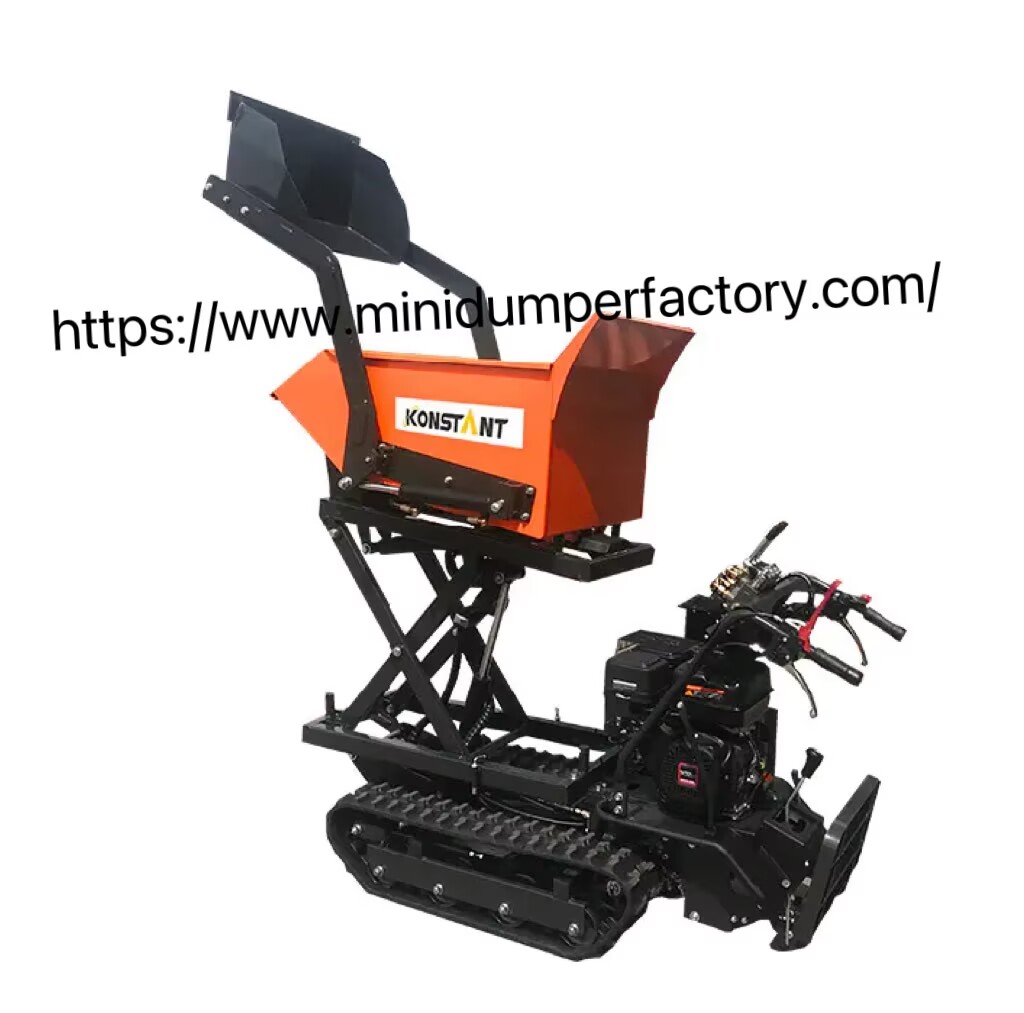
Power Barrow selection starts with understanding the practical challenges your business wants to address. Construction contractors, landscaping teams, agricultural operators, and equipment distributors may use powered transport machinery for different purposes. Before requesting a quotation, buyers should consider their daily workflow, material handling procedures, available working space, and purchasing budget. These details provide a clearer basis for comparing product options and discussing suitable configurations with a manufacturing business.
Identify Where Equipment Can Improve Your Workflow
Before comparing models, examine the tasks that take up time and effort during a normal working day. Consider how materials arrive at the worksite, where they are stored, and how they reach their final destination.
A landscaping company may need to move planting materials between separate garden areas. A building contractor may transport tools and construction supplies between a storage point and an active work zone. An agricultural business may require a practical way to move supplies around outdoor working areas.
Each application creates different demands. Buyers should record the usual transport distance, number of trips, material types, and available access routes. This information helps establish whether a powered transport solution fits the work and which product characteristics deserve attention.
For distributors, it is also useful to identify the customer groups they intend to serve. A product range aimed at garden maintenance may require different configurations from one intended for construction contractors.
Examine the Loading and Unloading Process
Material movement involves more than carrying a load from one location to another. Buyers should consider how materials enter the container, how they are secured during movement, and how they are discharged at the destination.
Loose soil, bagged supplies, tools, and construction debris may require different handling arrangements. A container suitable for loose materials may not be the preferred choice for bulky items with unusual dimensions.
Before placing an order, ask for product images and specifications that show the loading area, container shape, and unloading mechanism. Check whether the discharge position suits the intended task and whether the surrounding space allows the operation to be completed without obstruction.
Think about the entire working sequence as well. If materials must be delivered beside a wall, into a garden bed, or near stored supplies, the unloading position can affect how easily the operator completes the task.
A clear description of these requirements allows buyers to discuss practical configuration options rather than selecting equipment based on appearance alone.
Compare Features Against Your Actual Budget
Purchasing decisions should account for the equipment price as well as the items needed to put the machine into service. Depending on the model, the quotation may cover different accessories, operating components, packaging arrangements, or other order-specific items.
Request an itemized quotation and confirm what is included. If optional accessories are available, ask for their separate prices so that your team can decide which additions are necessary for the intended application.
It can also help to estimate expected usage over a typical month. Businesses that use equipment frequently may evaluate maintenance arrangements and consumable requirements differently from buyers planning occasional use.
When comparing offers, make sure the quoted configurations are equivalent. A lower initial price may reflect a different set of included items, so checking the details can prevent confusion during purchasing approval.
For distributors, the calculation may also involve packaging, shipping, import expenses, and the intended resale arrangement. Preparing these figures before confirming an order can support more realistic business planning.
Check Whether the Working Area Suits the Design
The physical layout of a worksite can influence which configuration is practical. Measure narrow entrances, turning areas, storage spaces, and any restrictions around loading or unloading points.
Also consider the ground conditions along the route. Firm paved surfaces, loose soil, and uneven outdoor areas can place different demands on the drive arrangement and tires or tracks. Buyers should compare these conditions with the specifications and operating instructions for the model under consideration.
If the equipment must be stored inside a workshop or transported between sites, check its dimensions in the intended storage or transport configuration. Confirm the space required for loading, access, and routine inspection before finalizing the purchase.
Providing these measurements during the inquiry helps the sales team understand the application. It also gives buyers a practical way to eliminate configurations that do not suit the available space.
Ask About Product Options and Order Details
Some businesses have requirements related to appearance, accessories, labels, or packaging. Before requesting changes, prepare a written list that separates essential features from optional preferences.
Ask which requests are available for the selected model and whether they affect order quantities, pricing, or the expected schedule. For logo placement or custom labels, provide clear artwork and confirm the approved version in writing.
The brand minidumperfactory can be part of your product research when evaluating compact transport equipment. Buyers should confirm the specifications, available options, and commercial terms for their intended order before making a purchasing commitment.
A clear record of the agreed configuration is particularly useful when several people are involved in purchasing, technical review, and delivery coordination. It gives everyone the same reference when checking the order.
Plan for Delivery and Routine Support
Before confirming an order, provide the destination and discuss the packaging and transportation arrangements. Ask which product documents will be supplied and confirm any specific information needed for receiving, storing, or distributing the equipment.
Businesses purchasing for repeated use may also want to clarify how replacement components are identified and how technical questions can be submitted. Distributors can benefit from keeping model specifications and approved configurations organized for future orders.
These details help buyers plan beyond the initial transaction. They also provide a clear starting point for communication if the business later needs additional units or wishes to review another configuration.
Prepare Your Equipment Inquiry
A useful purchasing request should include your intended application, materials to be moved, approximate workload, worksite conditions, preferred features, order quantity, and delivery destination. Attach photographs or measurements where they can clarify a particular requirement, and list any questions that need written confirmation before ordering.Businesses reviewing powered transport equipment can visit minidumperfactory at https://www.minidumperfactory.com/ to view the product range and identify options for further discussion. By connecting product specifications with real operating requirements, buyers can prepare a more focused inquiry and make purchasing decisions that align with their project plans.