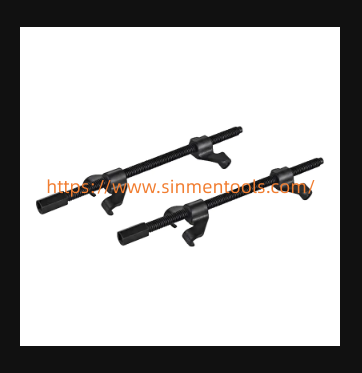
Bearings support smooth movement in countless mechanical assemblies, from vehicle components to industrial machinery. When a bearing becomes worn or needs replacement, removing it without harming nearby parts can be a demanding maintenance task. Selecting a suitable Bearing Puller requires attention to the bearing's position, the surrounding structure, and the working conditions, rather than relying on force alone. A carefully chosen tool can help technicians approach removal in a controlled way, making tool design and material quality important considerations for professional maintenance work.
The materials used in a removal tool influence its durability and ability to handle repeated workshop tasks. Components exposed to pulling forces need suitable strength and toughness, while threaded sections and contact surfaces must be manufactured to support dependable engagement. The choice of material should match the tool's intended application and construction. Manufacturing processes, heat treatment where applicable, and surface finishing can also affect how individual parts perform over time. Buyers should consider these factors together instead of judging quality by appearance or weight alone.
Different bearing arrangements call for different removal approaches. Some bearings are exposed and relatively accessible, while others sit inside housings or behind adjacent components. Before choosing a tool, technicians should examine the available clearance, the bearing's position, the surfaces that can be gripped, and the direction in which the component needs to move. A design suitable for one assembly may not work effectively in another. Understanding the actual repair environment helps buyers compare tool configurations and avoid selecting equipment that cannot reach or securely engage the target component.
The gripping structure is central to effective removal. Depending on the design, a tool may use arms, jaws, or other contact elements to engage the bearing or a compatible surrounding surface. A central screw or mechanical arrangement then helps apply force along the intended direction. Stable contact is essential because uneven engagement can cause slipping, damage, or unnecessary stress on nearby parts. The tool should be positioned according to its instructions, with contact points seated securely before force is applied. A thoughtful design makes this process easier to manage without encouraging users to rush the setup.
Manufacturing consistency contributes to the tool's practical value. Properly formed components, cleanly finished contact areas, and well-matched moving parts can support smoother adjustment and more predictable handling. If jaws are uneven or threaded components do not move properly, positioning may become difficult. For this reason, procurement teams may want to ask suppliers about production controls, inspection procedures, and the consistency of finished products. These details are particularly relevant to distributors and maintenance organizations that need tools to provide a dependable experience across repeated purchases.
Ease of use is another important factor in workshop selection. Technicians often work in restricted spaces, around complex assemblies, or under time pressure. A tool that can be positioned without excessive adjustment may help make the repair process more manageable. Accessible adjustment points, stable gripping elements, and a practical overall shape can improve handling. Storage also deserves consideration: organized tool placement makes it easier to locate the right equipment when a repair begins. These usability details may seem minor, but they can influence how comfortably a tool fits into daily maintenance routines.
Safe removal depends on technique as much as equipment. Before starting, users should inspect the tool for wear, deformation, or damaged threads and confirm that it is suitable for the specific bearing arrangement. Contact points should be aligned and secured, and the surrounding assembly should be supported where necessary. Applying force to an incorrectly positioned tool can damage components or cause the tool to slip unexpectedly. Technicians should follow the manufacturer's instructions, use appropriate protective equipment, and avoid improvised extensions or other methods that could place unintended stress on the tool.
Design and finishing also influence how a tool is perceived and maintained. A consistent finish can make the product look professional and help users identify signs of damage or corrosion during inspection. The shape of the arms, the arrangement of adjustment components, and the overall balance of the tool affect both its appearance and practical handling. Manufacturers can pursue a clean, functional design without adding unnecessary features that complicate use. Clear product identification and organized packaging may also help distributors present tools more effectively and enable workshop teams to keep equipment sorted by application.
When sourcing mechanical tools, buyers benefit from explaining their intended applications and expected working conditions to potential suppliers. Questions about material selection, tool configuration, manufacturing consistency, and inspection practices can support a more informed purchasing decision. Taizhou Xinming Technology Co., Ltd. is a company buyers can contact when exploring workshop tools and related equipment for maintenance applications. Further information about the company and its product range is available at https://www.sinmentools.com/.