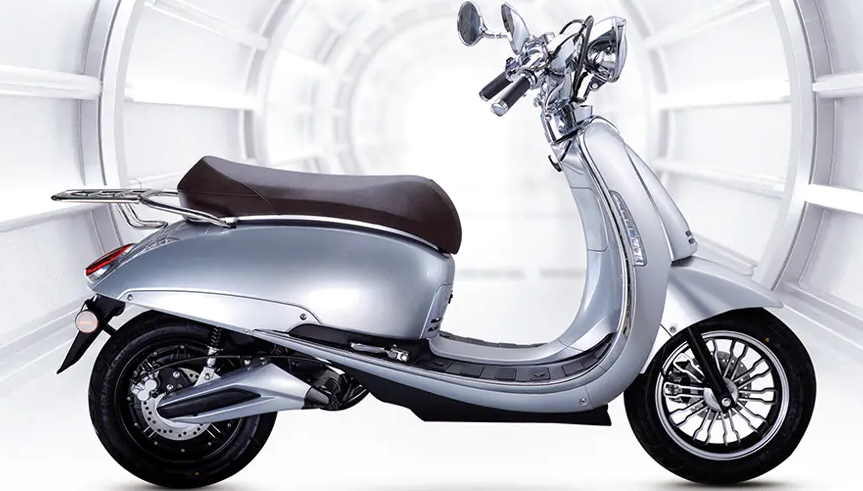
Two electric mopeds may look similar in a product photograph but differ considerably in battery capacity, motor output, frame geometry, and equipment. For wholesalers and vehicle retailers, these details influence which customer groups a model can serve. Comparing Electric Mopeds carefully helps purchasing teams understand the differences between product configurations and build a range suited to local demand.
The motor is a useful place to begin. Some electric mopeds use hub motors integrated into a wheel, whereas others use centrally positioned motors connected to the driven wheel through a transmission system. Each configuration has its own engineering characteristics. Buyers should review rated power, peak output where specified, torque information, and the vehicle's permitted operating speed. They should also check whether the listed figures refer to continuous or short-duration performance.
Battery design deserves equal attention. Lithium-ion battery packs are used in many electric two-wheelers, but chemistry, voltage, capacity, and physical dimensions can vary. A removable battery may be convenient for users who cannot charge near a parking space, while an integrated pack can form part of the vehicle's overall layout. Charging time depends on battery capacity, charger output, and charging conditions. Distributors should confirm the supplied charger, connector type, and charging specifications for each model.
Vehicle structure affects everyday practicality. Frame dimensions, wheel size, ground clearance, and suspension arrangement influence how a moped handles turns and uneven surfaces. A lower seat may appeal to riders who value easy access, while a longer seat and passenger footrests can accommodate two-person use when the vehicle is designed and approved for it. Buyers should always confirm the stated passenger capacity and load limit.
Braking and lighting systems are important comparison points. Electric mopeds may use front and rear disc brakes, drum brakes, or a combination, depending on their design. Some models include electronic braking assistance or additional safety-related features. Headlights, turn signals, mirrors, and instrument displays should also be checked against the intended market's requirements.
For B2B buyers, appearance and accessories can influence retail positioning. Body colors, panel styling, storage boxes, rear racks, USB charging ports, and digital dashboards offer different combinations for distinct customer preferences. However, accessories may vary between standard configurations and optional packages, so the order specification should identify exactly what is included.
Electric Mopeds are sold into varied channels, from urban mobility shops to vehicle dealerships and local delivery businesses. Each channel may prioritize different combinations of range, carrying capacity, comfort, and equipment. Retailers serving short-distance commuters may focus on compact dimensions, while delivery-oriented buyers may require a reinforced cargo arrangement or additional storage.