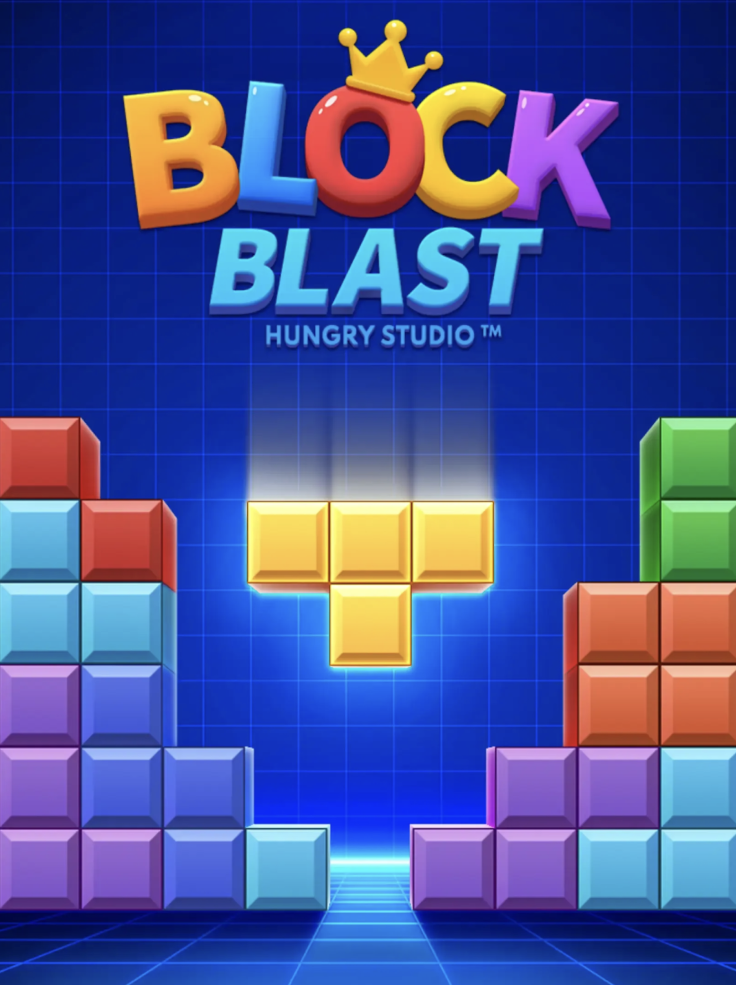
I told myself it would be quick. Five minutes, maybe ten. Just a little browser puzzle to reset my brain between tasks. I opened Block Blast on my desktop, cracked my knuckles like I was about to do something serious, and then proceeded to spend the next chunk of my afternoon emotionally attached to a grid of squares that was slowly filling up with shapes I did not approve of.
It looks so innocent at first
The first minute or two, I felt like a genius. The board was wide open, the blocks were cooperating, and I was clearing rows and columns with the smug confidence of someone who definitely knew what they were doing. This is easy, I thought. This is basically breathing.
Then the pieces got weird. A long one here, an L shape there, a little square that suddenly had nowhere good to go. The board doesn't yell at you for making a bad choice. It just sits there, quietly getting more crowded, watching you realize that the harmless placement you made three moves ago has become a problem you now have to live with.
The art of fooling myself
Here's the thing about my Block Blast strategy: it's mostly confidence followed by immediate regret. I'll see a set of available pieces, tell myself I've got a plan, and confidently drop something into a spot that turns out to be a trap. The gap it leaves looks tiny. It is not tiny. Two moves later, it's a gaping hole in the middle of my board, and I'm staring at it like I've been personally betrayed.
My favorite recurring moment is when I place a block, look at the remaining empty spaces, and realize my earlier "brilliant idea" has essentially blocked myself in. There's nothing to do but nod slowly and pretend I meant to do that.
What I actually learned the hard way
Somewhere between my fifth and fifteenth attempt to keep a board alive, a few things started to click. The biggest one was simply looking at all the available pieces before touching anything. I used to grab whichever block felt easiest and slam it down, which is basically how you sabotage your future self. Taking even a second to scan all three options changed everything.
The other lesson was about space. Flexible, open areas are gold. Every time I filled a spot with something that seemed fine in the moment, I was quietly burning an option I'd want back later. Conserving open room and avoiding unnecessary gaps isn't glamorous, but it's the difference between a board that survives and one that drowns.
The hardest habit to build was thinking one move ahead. I don't always succeed at it. Sometimes I place something, and my brain immediately whispers, that was not the move. But when I actually take a beat to ask where my next piece might land, I dramatically reduce those little self-inflicted disasters.
Why I keep coming back
There's something deeply satisfying about clearing rows and columns, watching the board open back up, and feeling like you've solved a tiny impossible problem. The flip side is that the game looks so simple that you can't resist another round. It's not the flashiest desktop gaming experience, but that's exactly the appeal. It's right there in a browser tab, no setup, no commitment, just one quick session.
Except there's no such thing as one quick session. Because after I lose, I immediately think, okay, but this time I'll be smarter. And occasionally I am, which is the most dangerous outcome of all, because it convinces me to keep going.
If you've got a few minutes and questionable self-control, open it up. Just don't blame me when your five minute break turns into a full investigation of a puzzle board.