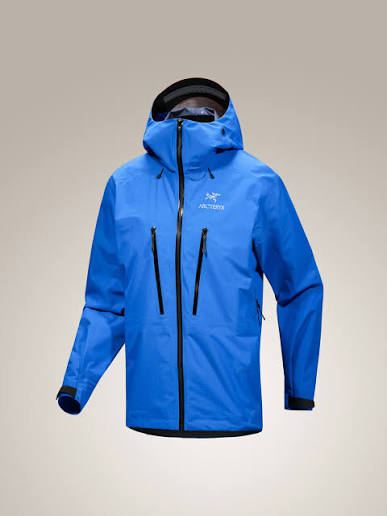
Anyone who has stood at a bus stop in a cold drizzle, or halfway up a ridge when the wind turned, knows that clothing either helps or gets in the way. This Arc’teryx clothing guide is written for people who want one wardrobe that handles a commute on Monday and a long hike on Saturday. I have worn this gear through wet city winters, shoulder season trail days, and a few unplanned storms. What follows is what I learned, along with the technical background that explains why it works.
Shell Jackets: The Core of the Collection
If you can only afford one piece, make it a shell. Arcteryx shells use a waterproof breathable membrane, and the key idea is that waterproofing alone is not enough. A jacket that stops rain but traps your sweat leaves you soaked from the inside.
Here is how the main shell types differ in practice:
- Hardshells are fully waterproof, with taped seams. They suit sustained rain, snow and high wind.
- Softshells trade some waterproofing for stretch and airflow. They are better for active days with light precipitation.
- Lightweight shells pack small and weigh little. They are ideal as an emergency layer for hiking or a travel jacket.
For everyday wear, a mid weight hardshell in a plain colour is the safest choice. It handles rain, blocks wind, and works over a sweater or under a heavier coat. For hiking and trekking, check that the hood adjusts well and that the pockets sit above your pack belt.
Insulation: Down or Synthetic?
This question comes up constantly. Down gives the most warmth for its weight and compresses small, which suits cold, dry conditions. Its weakness is moisture, because wet down loses much of its loft. Synthetic insulation keeps working when damp and dries faster, though it is a little bulkier.
My rule is simple. For cold city mornings and dry alpine days, I reach for down. For wet climates, strenuous activity, or anything where I will sweat, I choose synthetic. Hybrid jackets that put down in the core and synthetic in the sleeves and sides split the difference nicely.
Base Layers and Midlayers Deserve Attention
People spend heavily on a jacket and then wear a cotton shirt beneath it. Cotton holds moisture and drains body heat, which undermines everything above it. A proper base layer costs less than a shell and often matters more for comfort.
Choose merino or a merino blend for multi day trips because it resists odour. Choose a synthetic knit for high output days like trail running or fast hiking, since it dries quickly. For midlayers, a grid fleece breathes well during activity, while a light insulated jacket gives more warmth when you are standing still.
Pants, Shorts and Lower Body Pieces
Trousers are an overlooked part of this wardrobe. Technical pants in a stretch woven fabric resist abrasion, shed light rain, and dry fast. They also look close enough to regular chinos that they work for travel days or casual offices.
For hiking, look for a articulated knee, a gusseted crotch and a comfortable waistband that does not dig in under a pack belt. For colder trips, softshell pants add wind protection without the stiffness of a full rain trouser.
Getting the Fit Right
Fit is where many buyers go wrong. Arc’teryx sizing often follows an athletic cut, meaning slimmer through the torso than casual outerwear. Try pieces on with the layers you plan to wear beneath them. Raise your arms, bend forward, and rotate your shoulders. The hem should stay below your waist, and the cuffs should cover your wrists.
If you split time between city and trail, consider a regular fit over a trim fit. It leaves room for a midlayer without looking oversized.
Caring for Your Gear So It Lasts
Technical clothing is a long term purchase, and care decides how long it performs. Dirt, body oils and sunscreen slowly clog the membrane and reduce breathability. A few habits help a great deal:
- Wash shells with a technical cleaner, never regular detergent with softeners.
- Tumble dry on low heat if the care label allows it, which helps revive the water repellent finish.
- Reapply a durable water repellent treatment when water stops beading on the surface.
- Store down jackets loose, not compressed, to protect the loft.
I have a shell that is several seasons old and still sheds rain well, mainly because I wash it a couple of times each winter.
Is It Worth the Price?
The honest answer depends on your habits. If you wear a jacket a few times a year, a premium shell is hard to justify. If you walk or commute in rain, hike regularly or travel often, the cost per wear drops quickly. Durable fabrics, thoughtful patterning and repairable construction all stretch the useful life of each piece. Buy fewer, better items, choose neutral colours, and build outward from a shell.
Frequently Asked Questions
Can I wear Arc’teryx clothing every day, or is it only for the outdoors?
Yes. Many pieces are cut and coloured for daily use, and a shell or softshell jacket handles commutes, travel and weekend walks equally well.
What is the best first purchase for a beginner?
A versatile hardshell jacket. It covers rain and wind in nearly every situation and works over any layer you already own.
How often should I wash my technical jacket?
Wash it when it looks dirty, smells, or stops shedding water, usually a few times per season for regular use.