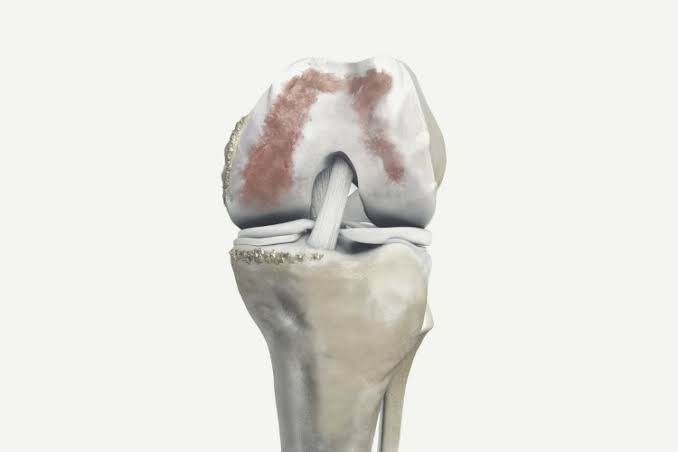
The knee is one of the most important weight-bearing joints in the human body. It supports everyday movements such as walking, standing, bending, and climbing stairs.
When degenerative changes affect all three compartments of the knee, the condition is known as tricompartmental osteoarthritis of the knee.
This form of osteoarthritis can affect mobility and quality of life, particularly when cartilage damage and joint space narrowing become more pronounced.
Understanding Three-Compartment Osteoarthritis
Three compartment osteoarthritis affects the medial, lateral, and patellofemoral sections of the knee.
Each compartment plays an important role in supporting movement and distributing mechanical forces.
When cartilage degeneration develops across all three areas, the joint may become less effective at absorbing pressure during everyday activities.
What Are the Early Warning Signs?
Symptoms vary, but common warning signs include:
-
Pain when walking or standing.
-
Stiffness after sitting for long periods.
-
Swelling around the knee.
-
Difficulty bending the joint.
-
Grinding sensations during movement.
-
Reduced walking endurance.
Some people experience symptoms gradually, while others notice increasing discomfort after a previous knee injury.
Understanding Tricompartmental Degenerative Arthrosis
Tricompartmental degenerative arthrosis is another term used to describe degenerative joint changes affecting all three knee compartments.
An imaging report may mention tricompartmental degenerative disease, marginal osteophytes, cartilage thinning, or joint space narrowing.
These findings help describe the structural condition of the knee.
What Is Tricompartmental Spurring?
Tricompartmental spurring knee findings refer to bone spur formation in different areas of the knee joint.
These osteophytes commonly develop as part of osteoarthritis.
Small osteophytes may indicate early degenerative changes, while larger spurs can accompany more advanced joint degeneration.
However, bone spur size alone does not determine symptom severity.
Can Tricompartmental Osteoarthritis Be Prevented From Progressing?
There is no guaranteed way to stop osteoarthritis progression, but several approaches may help maintain joint function.
Strengthening Exercises
Exercises targeting the quadriceps, hamstrings, and hip muscles can improve muscular support around the knee.
Appropriate Physical Activity
Low-impact activities may help maintain flexibility and physical fitness.
Weight Management
Maintaining a healthy weight can reduce mechanical stress on the knee.
Early Symptom Management
Persistent pain and swelling should be assessed rather than ignored. A suitable treatment plan may help maintain daily function.
When Should You Consider Specialist Treatment?
If pain continues despite conservative treatment, walking becomes difficult, or the knee significantly limits daily activities, consult an orthopedic specialist.
Depending on the findings, treatment may involve medication, physical therapy, injections, or surgery.
Advanced tricompartmental osteoarthritis may require evaluation for total knee replacement when other approaches are insufficient.
Learn More About Your Treatment Options
Understanding the condition is an important part of making informed healthcare decisions.
Read CMed Regen's detailed resource on tricompartmental osteoarthritis symptoms, causes, and treatment to explore the condition further.
Conclusion
Tricompartmental osteoarthritis involves degenerative changes throughout the knee joint. Although the condition can affect mobility, appropriate evaluation and individualized management may help people maintain function and manage discomfort.
Paying attention to persistent knee symptoms and seeking professional guidance can help you make better decisions about long-term joint health.
Medical Disclaimer: This content is for informational purposes only and should not replace professional medical advice, diagnosis, or treatment.