AI-powered search is changing how people discover businesses, research products, and find answers online. Instead of relying exclusively on traditional search results, users increasingly turn to AI assistants for explanations, comparisons, and personalized recommendations.
For businesses, this change creates a growing need to optimize content for both traditional search engines and AI-driven discovery experiences. Content optimization for AI search focuses on making information clear, helpful, credible, and easy to understand.
What Is AI Search Content Optimization?
AI search content optimization is the process of improving website content so it effectively addresses user questions and communicates relevant information about a brand.
It combines established SEO practices with principles associated with Answer Engine Optimization (AEO) and Generative Engine Optimization (GEO).
The goal is not to guarantee placement in AI-generated answers. Instead, it is to create valuable content that meets user needs and gives search systems a clear understanding of the information being presented.
Why Does Content Optimization Matter?
High-quality content helps potential customers understand your expertise, evaluate your products, and make informed decisions.
A thoughtful optimization strategy can help businesses:
-
Address specific customer questions.
-
Improve content readability and organization.
-
Communicate product benefits more clearly.
-
Demonstrate expertise through useful information.
-
Identify opportunities to strengthen AI search visibility.
These improvements also support a better experience for visitors who arrive directly on your website.
Six Strategies to Optimize Content for AI Search
1. Focus on Search Intent
Before writing an article, identify what the reader actually wants to know.
Someone searching for a definition needs a clear explanation. Someone comparing products needs differences, advantages, limitations, and practical considerations.
Match each page to a specific audience need instead of trying to answer every possible question in one article.
2. Use Clear Headings and Direct Answers
Organize content with descriptive headings that reflect the questions readers are likely to ask.
Introduce each section with a direct answer before expanding on the details. Use short paragraphs, bullet points, and examples where they improve understanding.
A clear structure helps readers locate important information without unnecessary effort.
3. Publish Original Insights
Avoid producing articles that simply repeat information available across dozens of websites.
Add original research, practical experience, relevant statistics, expert commentary, or detailed examples. Explain why the information matters and how readers can apply it.
Distinctive content gives audiences a stronger reason to trust and reference your work.
4. Strengthen Your Brand's Expertise
Make it easy for visitors to understand who you are, what your business does, and why your information is relevant.
Maintain accurate product descriptions, publish detailed service pages, and keep important company information consistent. Where appropriate, include author details, references, and evidence supporting important claims.
Building credibility requires consistent effort rather than a single optimization technique.
5. Keep Content Accurate and Updated
Outdated information can reduce the usefulness of a page, particularly when it discusses technology, software, industry trends, or changing customer expectations.
Review important pages regularly. Update examples, correct inaccurate statements, and remove details that are no longer relevant.
Prioritize meaningful updates rather than changing publication dates without improving the content.
6. Evaluate AI Search Visibility
Content optimization should include measurement. Review relevant questions across the AI search experiences that matter to your audience and observe whether your brand appears in the responses.
Compare results with competitors, examine available source references, and identify topics where your content could provide more useful information.
Because AI responses can vary, repeated checks provide a more informative picture than a single result.
The Role of GEO in Content Strategy
Generative Engine Optimization (GEO) focuses on improving a brand's visibility in generative AI experiences.
While SEO helps websites become discoverable through traditional search engines, GEO adds another dimension: understanding how brands and their information appear in AI-generated answers.
A balanced strategy combines technical SEO, helpful content, clear brand information, and ongoing visibility analysis.
How Lunocode Helps Businesses Explore AI Visibility
As AI search evolves, businesses need better ways to understand how their brands appear in AI-driven discovery experiences.
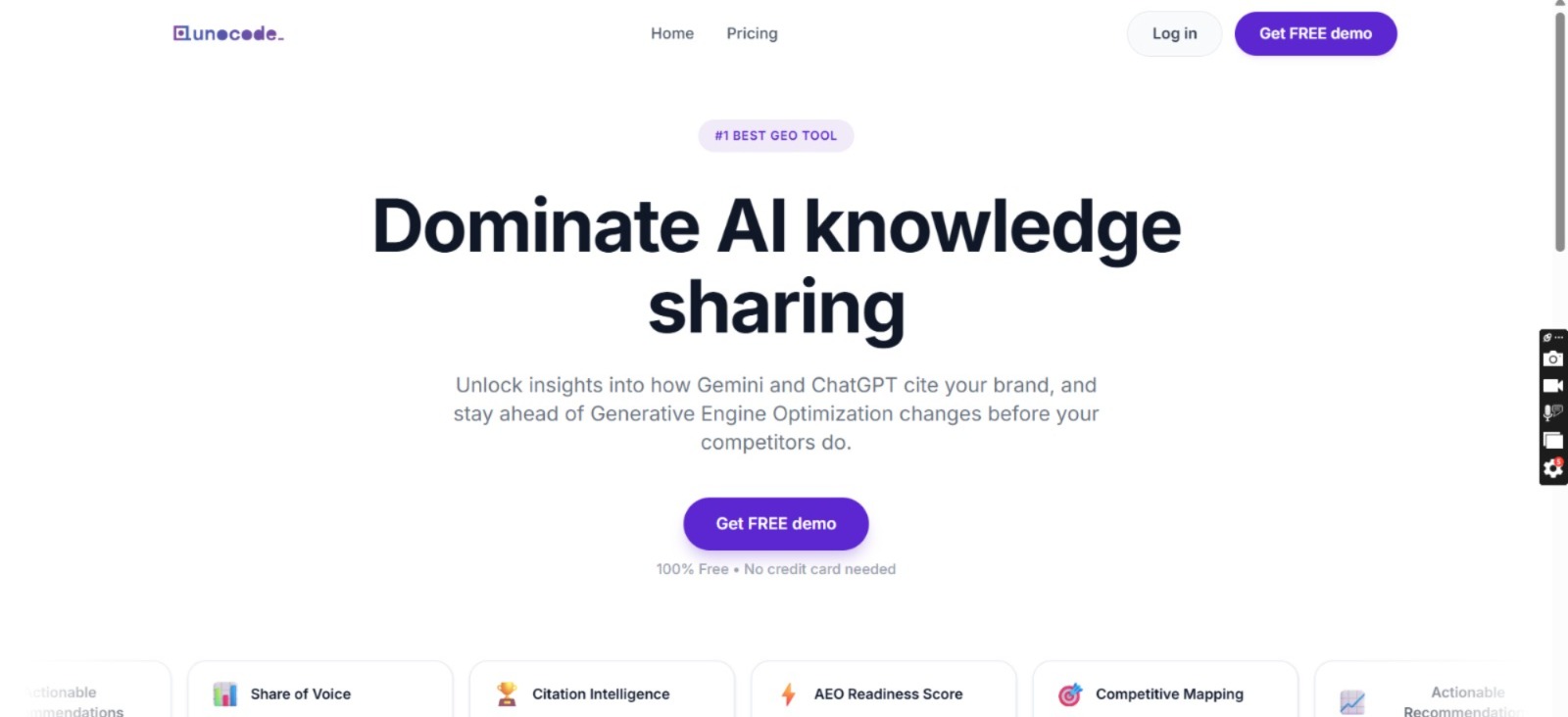
Lunocode is a GEO-focused platform that helps businesses explore AI search visibility and identify opportunities to improve their online presence.
By combining thoughtful content optimization with regular visibility analysis, marketers can make more informed decisions about which topics to develop and where to focus their efforts.
Learn more at https://lunocode.eu/.
Common Content Optimization Mistakes
Even well-intentioned strategies can become ineffective when they prioritize search systems over readers.
Avoid these common mistakes:
-
Repeating keywords unnaturally.
-
Publishing thin or repetitive articles.
-
Making unsupported claims.
-
Ignoring the questions customers actually ask.
-
Using complicated language when a simple explanation would work.
-
Assuming structured formatting guarantees AI citations.
The strongest approach prioritizes usefulness, accuracy, originality, and clarity.
Conclusion
Optimizing content for AI search begins with understanding your audience and creating information that genuinely helps them. Clear structure, original insights, accurate brand information, and consistent performance monitoring can support a stronger online presence.
By combining SEO fundamentals with AEO and GEO practices, businesses can prepare their content strategies for a digital landscape where traditional search and AI-powered discovery increasingly coexist.
Explore AI search visibility with Lunocode: https://lunocode.eu/