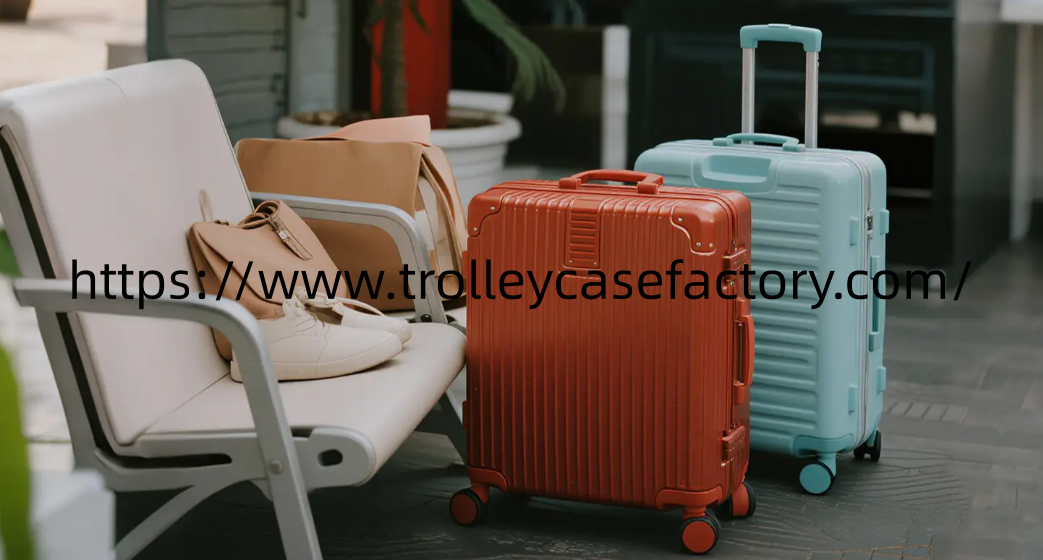
Trolley Luggage Factory selection involves more than comparing product photos and quotations. For importers, wholesalers, retailers, and private-label brands, the purchasing decision should account for product construction, customer preferences, customization requirements, and delivery planning. A clear evaluation process helps buyers communicate expectations to a manufacturer and reduce misunderstandings before an order enters production.
Match Product Designs to Your Target Customers
Before requesting a quotation, identify the customers you intend to serve. Business travelers may prefer organized interiors and compact dimensions, while family travelers may need larger capacities and several size options. Retailers serving different customer groups may require a range of colors, shell styles, and storage layouts.
Consider whether your market favors hard-shell cases, soft-sided designs, cabin-size products, or larger travel cases. Each option involves different construction methods and material choices. Sharing your target market, expected price range, and intended sales channels helps the manufacturer discuss suitable product directions.
It is also useful to review competing products and customer feedback. Common complaints about difficult handling, limited storage, or inconvenient compartments can guide your product brief and help define practical design priorities.
Examine Materials and Structural Details
The outer shell or fabric influences appearance, weight, flexibility, and everyday handling. For hard-shell models, ask about available materials such as ABS, polycarbonate, and polypropylene. For soft-sided products, review fabric composition, lining, stitching, and reinforcement around areas exposed to repeated use.
Do not evaluate materials by name alone. Request specifications for the selected model and confirm how the material relates to your intended application. Surface texture, color consistency, shell thickness, and edge finishing may also affect the finished appearance.
Interior construction deserves attention as well. Inspect divider panels, storage pockets, straps, lining attachment, and zipper installation. These details influence how travelers organize their belongings and how the product looks when opened. A detailed specification sheet gives both parties a shared reference during sampling and bulk production.
Test Wheels, Handles, Zippers, and Locks
Moving components deserve particular attention because they are handled repeatedly during travel. Check whether the wheels rotate smoothly, whether the case moves steadily under a representative load, and whether the wheel housings are securely attached.
Extend and retract the telescopic handle several times. Check its locking mechanism, grip, movement, and stability while pulling the case. Zippers should open and close without unusual resistance, while locks should operate according to their intended design.
Ask the manufacturer which inspection procedures are used for these components and whether test records can be provided. Where practical, evaluate a sample under conditions that resemble normal handling. Document any concerns and agree on the required adjustments before approving production.
Clarify Customization and Branding Options
Private-label projects often involve more than adding a logo. Buyers may want specific shell colors, zipper pulls, interior fabrics, handle finishes, logo plates, hangtags, or retail packaging. Each change can affect material sourcing, setup work, sample approval, and order costs.
Prepare a written list of requested changes and ask which options are available for the selected model. Confirm logo dimensions, placement, artwork format, color references, and packaging details before production begins.
For new designs, discuss whether an existing model can meet your requirements or whether structural changes are needed. Approve a sample that reflects the agreed specifications and keep its details documented. This provides a reference when reviewing finished goods and arranging repeat orders.
Ask About Minimum Orders and Production Schedules
Minimum order quantity, commonly called MOQ, can vary according to the model, color, material, and level of customization. Ask whether the quantity applies to each design, each color, or the complete order. Also clarify whether special packaging or custom components require additional quantities.
Production time should be discussed in stages rather than as a single estimated date. Sample development, revisions, material preparation, assembly, inspection, packing, and shipment arrangements may each affect the schedule.
If your order is connected to a seasonal promotion or retail launch, share the required delivery window early. Allow time for sample approval and possible revisions, and request updates when key production milestones are reached. Clear scheduling makes inventory and sales planning easier.
Review Inspection, Packaging, and After-Sales Support
Before confirming an order, ask how incoming materials, assembled products, and packed cartons are inspected. Clarify which product details will be checked, how defects are recorded, and how issues are handled before shipment.
Packaging also deserves a specific review. Confirm protective materials, carton dimensions, product labels, barcode requirements, and shipping marks. Suitable packing arrangements can help reduce handling damage during transportation and simplify warehouse receiving.
Discuss the documentation available with the order, along with the procedure for reporting defects or requesting replacement components. Written agreements about inspection criteria and after-sales communication help both sides manage expectations throughout the purchasing process.
When comparing quotations, consider how well each proposal addresses your product requirements, customization plans, inspection arrangements, and delivery schedule rather than focusing on unit price alone.For businesses planning a new travel goods range or updating an existing collection, trolleycasefactory provides a starting point for reviewing available product options. Visit https://www.trolleycasefactory.com/product/ to view the range and discuss your requirements for materials, dimensions, branding, order quantities, and production planning with the team.