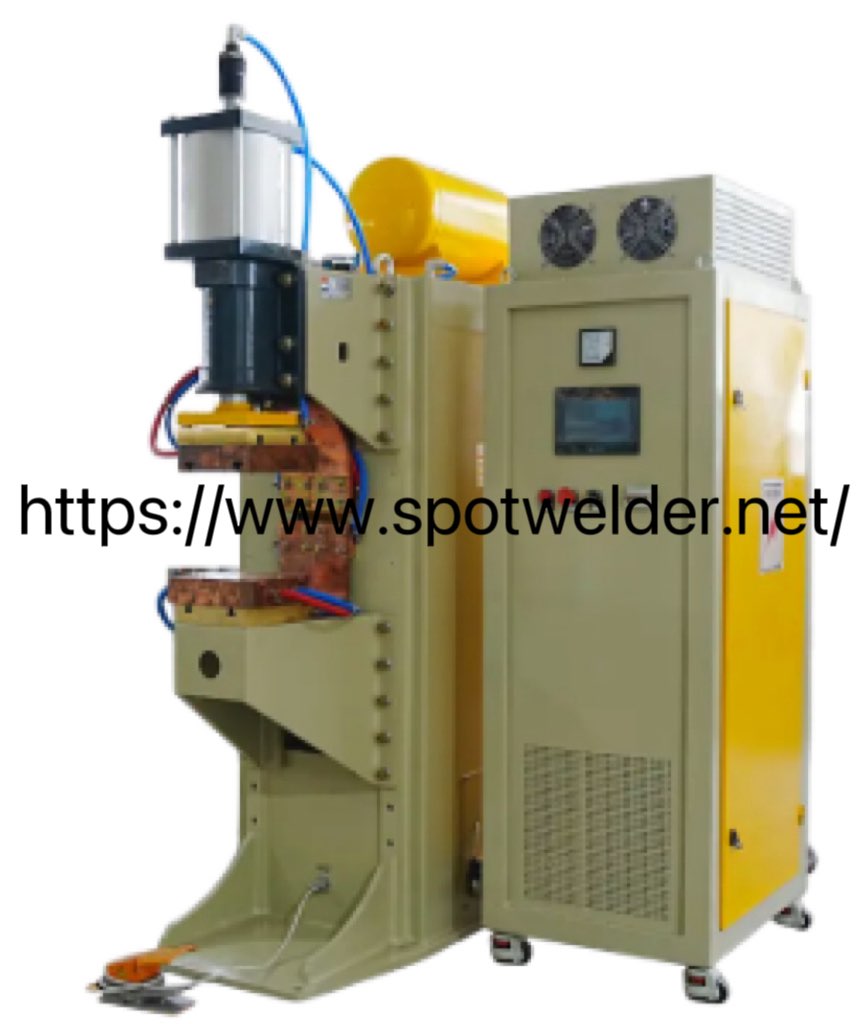
China Spot Welder purchasing decisions involve more than comparing quotations or reviewing product photographs. International buyers need to consider the materials being joined, workpiece dimensions, production targets, workshop conditions, and the technical support available after delivery. A well-prepared evaluation helps purchasing teams communicate their requirements clearly and compare proposals according to practical needs. For manufacturers sourcing equipment internationally, asking detailed questions before placing an order can also help reduce uncertainty during production, shipping, and installation.
Define the Application Before Comparing Models
The first step is to identify the actual work the machine will perform. Buyers should prepare information about the metal type, material thickness, joint structure, component dimensions, and number of welding points required for each part.
Production volume is another important consideration. A workshop producing limited batches may need a different configuration from a factory handling repeated operations throughout a shift. Consider whether operators will work with one component design or switch between several product models.
Workpiece drawings, clear photographs, and sample parts can help a manufacturer understand the application. If the components have unusual shapes or restricted access points, include these details in the initial inquiry. This gives the technical team a clearer basis for discussing electrode positioning, fixture design, and the working space required.
Examine the Technical Specifications Carefully
Machine specifications should correspond to the intended materials and workload. Buyers can ask about rated power, welding current, electrode force, welding time, arm reach, and cooling arrangements where applicable. These factors need to be considered together rather than judged by a single number.
For example, the machine must provide suitable electrode access to the required joint locations. Its working area should accommodate the component, while the available settings should support the planned process. Buyers should also verify the required voltage, electrical phase, and installation conditions before confirming a model.
Ask the manufacturer to identify the rated operating conditions behind the stated specifications. If the project involves different material combinations or thicknesses, request confirmation that the proposed configuration is suitable for those requirements.
A written technical proposal makes it easier to compare models and clarify which functions are included in the quoted price.
Ask About Sample Testing and Quality Control
Before approving an order, buyers should understand how the machine will be inspected and how its functions will be verified. Ask about assembly checks, electrical inspections, control testing, and the procedures used before shipment.
For projects with specific joining requirements, sample testing may be useful. Agree on the workpiece material, dimensions, surface condition, and test method before testing begins. Where weld quality must meet defined criteria, establish how the results will be assessed and recorded.
It is also worth asking what documentation will accompany the order. Depending on the project, this may include operating instructions, electrical information, maintenance guidance, inspection records, and a parts list.
Clear acceptance criteria help both parties understand what needs to be confirmed before dispatch. They also provide a reference when the equipment arrives and the buyer checks it against the approved proposal.
Review Customization and Factory Integration
Not every production task can be handled by a standard configuration. Some projects require special fixtures, adjusted electrode positions, different working dimensions, or coordination with existing machinery.
Buyers should explain the intended workflow and ask which changes are available. If automation or integration is required, clarify the interface requirements, control arrangements, loading method, and space available around the machine.
Customization should be discussed in writing. Request drawings or configuration details for review before manufacturing begins. Confirm how design revisions will be approved and whether they may affect the quotation or delivery schedule.
For international orders, communication matters throughout this process. Assigning a clear contact person and agreeing on the information needed at each approval stage can help prevent confusion between purchasing, engineering, and production teams.
Calculate the Full Purchasing Cost
The initial quotation does not always represent the full cost of an overseas purchase. Buyers should check whether the price includes accessories, fixtures, packaging, inspection, documentation, and any requested modifications.
Shipping, insurance, customs duties, import taxes, and local transportation may also affect the budget, depending on the destination and agreed delivery terms. Installation, operator training, replacement parts, and routine maintenance should be considered when estimating ongoing expenses.
Ask the supplier to list included items and possible additional charges separately. Confirm the payment schedule, production milestones, shipment arrangements, and documents required for import clearance. Comparing quotations on the same basis makes it easier to understand the differences between proposals.
Check Safety, Maintenance, and After-Sales Support
The machine must suit the intended workplace and applicable safety requirements. Buyers should review guarding, emergency-stop functions, operator access, electrical protection, and the instructions supplied for safe operation. The final installation should be assessed according to local regulations and site conditions.
Maintenance arrangements deserve attention as well. Ask which components require regular inspection, how electrode wear is managed, and how replacement parts can be identified and ordered. Confirm the warranty terms and the process for requesting technical assistance after delivery.For buyers considering products from spotwelder, it is useful to prepare the application details, expected output, technical specifications, and destination requirements before contacting the company. You can review available products at https://www.spotwelder.net/product/ and use the relevant product information as a starting point for questions about configuration, customization, testing, shipping, and support. A clear purchasing brief helps both parties discuss the project in practical terms and establish expectations before the order is confirmed.