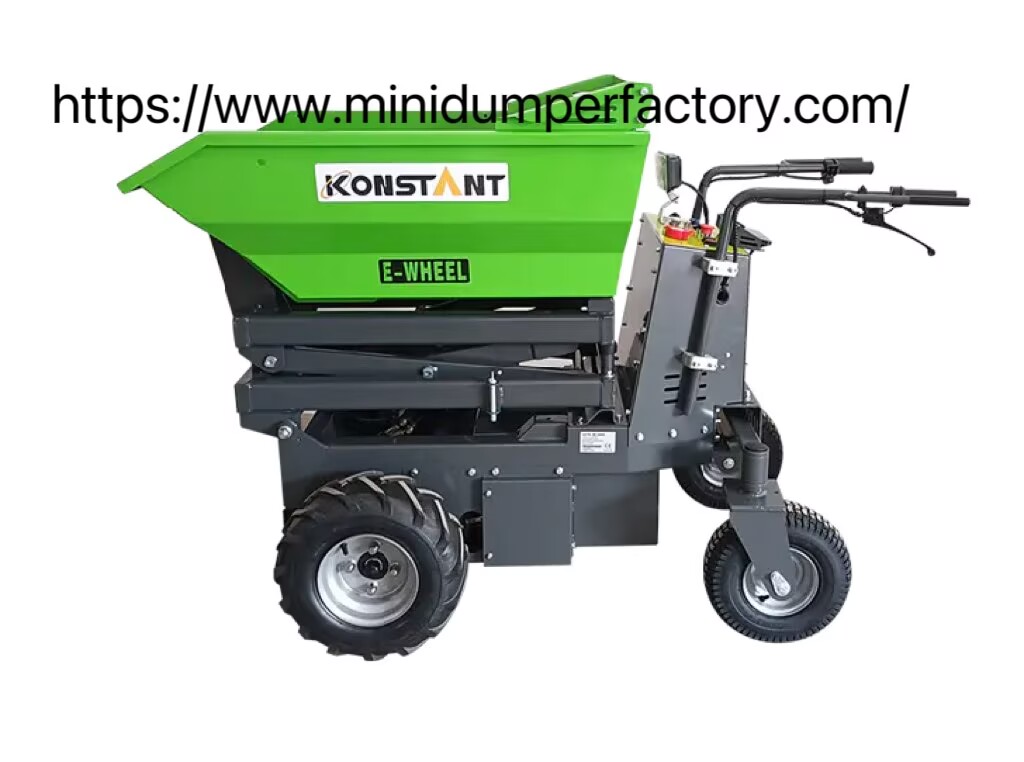
Power Barrow Manufacturer selection begins with understanding your business goals, intended applications, and purchasing requirements. Importers, distributors, construction suppliers, and landscaping businesses need to evaluate product suitability alongside technical communication, customization, inspection arrangements, and delivery planning. A quotation alone cannot answer every purchasing question. Preparing a detailed checklist helps buyers compare available options, communicate expectations clearly, and establish a practical basis for cooperation before confirming an order.
Match the Equipment to Your Customer Base
Before contacting a supplier, consider who will use the equipment and what materials they need to move. Construction companies may transport soil, gravel, bricks, and debris. Landscaping businesses may handle plants, compost, and garden waste, while agricultural customers may require equipment for uneven outdoor areas.
Write down the typical materials, expected loads, travel distances, and working conditions. If your customers operate in narrow spaces, machine width and turning clearance may matter. If they handle heavy materials throughout the day, carrying capacity and the unloading arrangement deserve closer attention.
Businesses serving several market segments should separate their requirements by application. This helps narrow the available configurations and provides a clearer starting point for discussing product options.
Check the Technical Specifications
Request a specification sheet for each model under consideration. Useful details include carrying capacity, machine dimensions, operating weight, travel speed, drive arrangement, and unloading method.
For battery-operated equipment, ask about battery capacity, charging requirements, motor details, and estimated running time. For engine-powered versions, review engine specifications, fuel requirements, and routine servicing needs.
Do not rely on appearance alone when comparing similar models. Differences in dimensions, components, or operating arrangements can affect whether a machine suits your customers' working conditions. Compare the same specification categories for each option and record any unanswered questions.
A written technical description also helps avoid confusion when an order includes multiple configurations. Confirm the selected model and its specifications before approving the quotation.
Ask About Samples and Product Checks
For some purchases, reviewing a sample can help clarify details that are difficult to assess from a catalog. Buyers may inspect frame construction, container dimensions, control layout, surface finish, accessories, and unloading functions.
Decide which characteristics matter to your business before arranging the evaluation. A distributor may prioritize dimensions, appearance, and packaging, while a contractor may focus on access, operation, and suitability for the intended site.
If adjustments are needed, record the requested changes and ask for confirmation. Discuss sample costs, transportation, and any effect on the order schedule before proceeding.
For larger purchases, agree on the checks that should take place before shipment. Written criteria give both parties a shared reference and help clarify what must be verified before the equipment leaves the production site.
Review Customization and Branding Options
Importers and distributors may need products that fit their own sales channels. Depending on the available arrangements, customization could include paint colors, logos, nameplates, instruction manuals, or selected accessories.
Prepare logo files, color references, language requirements, and accessory lists before requesting a quotation. If several models are involved, specify which changes apply to each configuration. This can help prevent errors when similar products require different branding details.
Ask whether the requested options involve additional costs, minimum quantities, or extra production time. Confirm the final design and specifications in writing before authorizing the work.
The product range from minidumperfactory gives buyers a starting point for reviewing available equipment and preparing questions about their requirements. A clear customization brief can make discussions more focused and help both parties confirm the intended configuration.
Clarify Documentation and Spare Parts
Technical information is important both before and after delivery. Ask which documents are supplied with the equipment, such as operating instructions, maintenance guidance, parts diagrams, and product specifications.
If you plan to resell the machines, consider whether your customers will need translated manuals or additional product information. Confirm the available formats and discuss any extra documentation before the shipment is arranged.
Spare parts should also be part of the discussion. Ask how replacement components are identified, which parts can be ordered separately, and what information is needed when requesting technical assistance. These details help distributors plan inventory and prepare for customer support after delivery.
Confirm Commercial Terms and Shipping Details
Before placing an order, check that the quotation clearly identifies models, quantities, technical specifications, accessories, and customization requirements. Confirm packaging arrangements, package dimensions, loading quantities, expected production timing, and delivery details.
For international orders, clarify the required shipping documents and responsibilities for preparing them. If an order contains different models, make sure each configuration is listed separately so that quantities and specifications remain clear.It is also useful to agree on how order changes and production updates will be communicated. Keeping important decisions in writing gives the purchasing team and supplier a common reference throughout the process. Businesses considering compact material transport equipment can visit https://www.minidumperfactory.com/ to review available products and contact minidumperfactory with their application details, preferred specifications, customization needs, and delivery requirements.