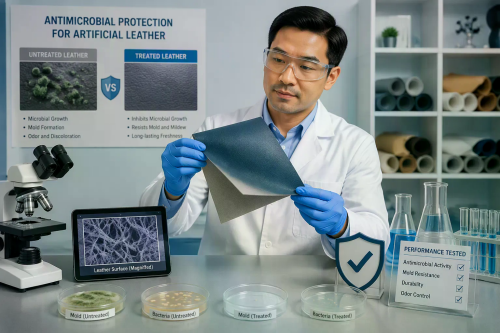
Figure 1 Image Source: statics.mylandingpages.co
You already know warmth, humidity, and nutrients let mold and mildew grow on PVC and PU artificial leather. This risk is real in humid climates, poorly ventilated storage, and marine or tropical use. Anti-mold and antibacterial PVC/PU artificial leather stops this growth by design. Treated material reaches Grade 0 under ASTM G21 — no fungal growth at all. You can measure the difference between untreated and treated leather, so it is not marketing language.
Key Takeaways
- Choose artificial leather with ASTM G21 Grade 0 for no mold growth in humid conditions.
- Check the material's coating, backing, and hydrolysis resistance to ensure long-lasting protection.
- Always ask for test reports and compare treated vs. untreated samples before you buy.
Key Terms Defined
Mold vs. Mildew
Mold and mildew both describe fungal growth, but they differ in appearance and behavior. Mildew typically appears as a flat, powdery patch with a white or gray color. Mold grows in thicker, fuzzy layers and often carries a darker green, black, or blue tone. Mildew stays on the surface. Mold penetrates deeper into materials and causes more structural damage over time. You will find both on PVC and PU artificial leather when moisture lingers.
Antimicrobial vs. Antibacterial vs. Antifungal
These three terms sound similar, but they describe different levels of protection. The table below clarifies each one.
| Term | Meaning | Relevance to PVC/PU Artificial Leather |
| Antimicrobial | Broad term covering bacteria, fungi, or other microbes depending on the test | You must verify the exact test scope; it is not automatically equivalent to mold resistance |
| Antibacterial | Usually focused on bacteria | Does not automatically provide mold or mildew resistance |
| Antifungal | Specifically related to fungal growth resistance | More directly relevant to mold and mildew claims in humid storage or long-term use |
Why the Distinction Matters to Buyers
You should verify whether an additive claim is antifungal, antibacterial, or broader antimicrobial. You should also confirm which test method supports the claim. Mold-resistant synthetic leather needs antifungal or fungal resistance testing when mold and mildew are your concern. A supplier who claims "antibacterial" protection may offer no defense against mold at all. Ask for the specific test standard and the grade rating. This step protects your investment and ensures the material performs in real conditions.
Why Mold Grows on Synthetic Leather
Warmth, Humidity, and Poor Ventilation
Mold needs three things to thrive: warmth, moisture, and stagnant air. You create this perfect environment when you store or ship PVC and PU leather in humid conditions without airflow. Sealed packaging traps moisture inside bags and cartons. Temperature shifts make things worse. When goods move between hot and cool environments, condensation forms water droplets directly on the material surface. This damp film gives fungal spores everything they need to start growing.
Dirt, Oils, and Plasticizer Residue as Nutrients
Mold does not feed on the PVC or PU coating alone. It feeds on what sits on the surface. Dust, body oils, sweat, and organic residues provide a food source for fungal growth. Plasticizer residue and processing additives make the problem worse. Compounds like methyl stearate, cellulose powder, and fatty acid oils can break down and feed mold colonies. These nutrients sit on the leather surface and accelerate contamination.
Backing Fabrics and Moisture Retention
The backing fabric plays a major role in moisture retention. Absorbent backing layers hold water even when the outer coating stays dry. Cloth backing that is not completely dry before processing traps moisture inside the material structure. This hidden reservoir feeds mold from within. Polyester polyurethane resin in PU leather also has poor anti-mildew performance and can hydrolyze, making the material more vulnerable over time.
Storage and Shipping Conditions
Long storage time increases mildew risk. The longer material sits in poor conditions, the more opportunity mold has to grow. Damp, moldy warehouses introduce spores directly to your product. Paper, cardboard, foam, and adhesive residues from packaging add contamination and retain moisture near the leather. You must control these conditions to protect your investment.
How Mold Resistance Is Tested
You cannot judge mold resistance by looking at a leather sample. A clean surface tells you nothing about how the material will perform after six months in a humid warehouse. Laboratory testing removes the guesswork. Standardized methods expose material samples to known fungal species under controlled conditions. The results give you a number you can compare across suppliers and production batches.
ASTM G21 and the Fungi Used
ASTM G21 is the primary standard for evaluating mold resistance in synthetic leather. The test determines whether fungi can grow on a material surface when you provide ideal conditions for growth. Laboratories use this standard along with equivalent ISO test methods to assess anti-mold and antibacterial PVC/PU artificial leather.
The test procedure follows a defined sequence. A laboratory prepares a sample of the material and places it in a controlled environment. Technicians then inoculate the surface with a mixed spore suspension. This suspension contains five fungal species. The sample incubates for 28 days at a temperature of 28 to 30 degrees Celsius and a relative humidity above 85 percent. These conditions mimic a worst-case tropical or marine environment. After the incubation period, a technician examines the sample under a microscope and assigns a growth grade.
ASTM G21 specifies five fungal species, and the same set is used regardless of the material tested, including synthetic leather:
| Current species name | Former name (if listed) |
| Aspergillus brasiliensis | Aspergillus niger |
| Aureobasidium pullulans | — |
| Chaetomium globosum | — |
| Trichoderma virens | Gliocladium virens |
| Penicillium funiculosum | Penicillium pinophilum |
These five species represent common environmental fungi. Aspergillus brasiliensis appears everywhere in soil and indoor air. Chaetomium globosum breaks down cellulose and attacks textile materials. Trichoderma virens thrives in humid conditions and grows rapidly on many surfaces. Aureobasidium pullulans tolerates both wet and dry environments. Penicillium funiculosum colonizes a wide range of organic and synthetic substrates. A material that resists all five species has broad-spectrum protection against real-world contamination.
The 0-to-4 Grading Scale: Lower Is Better
After incubation, a technician rates fungal growth on a numerical scale. The scale runs from 0 to 4. Lower numbers mean better resistance.
| Grade | Mold Growth |
| 0 | No growth |
| 1 | Trace growth |
| 2 | Light growth |
| 3 | Moderate growth |
| 4 | Heavy growth |
Grade 0 means the material shows no fungal growth at all. You see no spores, no mycelium, and no surface discoloration. Grade 1 shows trace growth, which means a few isolated spores but no spreading colony. Grade 2 indicates light growth with visible fungal structures covering a small area. Grade 3 shows moderate growth across a larger portion of the sample. Grade 4 means heavy growth with dense fungal colonization.
Lower grades indicate better mold resistance, with Grade 0 or Grade 1 preferred for high-hygiene applications. A Grade 0 result is the benchmark you should demand for medical, marine, and tropical applications. Grade 1 is acceptable for general furniture and automotive interiors in moderate climates. Grades 2 through 4 signal that the material will likely develop visible mold under real-world conditions. You should reject any material that scores above Grade 1 for humid or high-hygiene end uses.
A Grade 0 result under ASTM G21 means the material showed zero fungal growth after 28 days of exposure to five aggressive fungal species. This is the highest level of mold resistance a synthetic leather can achieve.
Other Relevant Standards: ASTM G22 and ISO 846
ASTM G21 is not the only standard for mold resistance testing. Two other methods provide additional data points.
ASTM G22 evaluates the resistance of plastics to bacteria. This standard uses a similar procedure to ASTM G21 but focuses on bacterial growth rather than fungal growth. You should request ASTM G22 results when your application requires antibacterial protection in addition to antifungal performance. Healthcare and food-contact applications often need both.
ISO 846 covers the evaluation of plastics under the action of microorganisms. This international standard includes test methods for fungi, bacteria, and soil burial. ISO 846 Method A assesses fungal growth, Method B evaluates antibacterial properties, and Method C measures resistance to soil microorganisms. The ISO 846 fungal test uses a similar grading scale to ASTM G21. Many international buyers prefer ISO 846 because it aligns with European and Asian regulatory frameworks.
You should confirm which standard your supplier used for testing. A report citing ASTM G21 gives you a clear, comparable result. A report citing ISO 846 provides international recognition. Some suppliers test under both standards to satisfy different market requirements. The specific standard matters less than the grade result. A Grade 0 under ASTM G21 or ISO 846 Method A tells you the material resists fungal growth under controlled laboratory conditions.
Applications That Require Anti-Mold and Antibacterial PVC/PU Artificial Leather
Automotive Interiors
Cars trap heat and moisture inside closed cabins. Seat covers, door panels, and headliners made from untreated synthetic leather can develop mold during humid summers or long storage. Anti-mold and antibacterial PVC/PU artificial leather keeps automotive interiors clean and odor-free. You protect both the vehicle's appearance and the passenger's health.
Healthcare and Hospitality
Hospitals, clinics, hotels, and restaurants demand strict hygiene. Medical seating faces cross-contamination risks and must withstand frequent disinfection. Hospitality seating sees high-frequency contact and needs easy cleaning plus durable hygiene. You should verify antibacterial performance with the right standard.
| Standard | Target Property | Scope / Notes |
| ISO 22196 | Antibacterial | Measures antibacterial activity on non-porous surfaces like synthetic leather. Technicians inoculate treated and untreated samples, incubate them, and count surviving bacteria to calculate reduction. |
| ASTM G21 or ISO 846 | Antifungal | Targets mold and mildew resistance. These standards confirm protection against fungal growth. |
When you evaluate suppliers, follow these steps:
- Request the test report, not just a claim or logo.
- Confirm the standard and scope, including which organisms were tested and the reduction achieved.
- Ask about durability, specifically whether the antimicrobial effect persists after cleaning and abrasion.
- Match the antimicrobial function to the right durability grade for your upholstery application.
Furniture, Bags, and Footwear
Home furniture, bags, and footwear sit in humid closets, basements, and tropical markets. Mold stains fabric and ruins the product's look. Treated material resists fungal growth and keeps your goods sellable.
Marine and Outdoor Environments
Boats, yachts, and outdoor furniture face constant moisture, salt air, and rain. These conditions create the worst-case environment for fungal growth. You need Grade 0 mold resistance for these applications. Marine upholstery, boat covers, and patio furniture benefit from treated leather that survives repeated wet-dry cycles.
Material Factors That Improve Resistance
Mold resistance does not happen by accident. Every layer of the material plays a role in whether fungi can grow. You can trace resistance back to four key factors: the coating formulation, the surface texture, the backing fabric, and the hydrolysis stability of the PU resin. Each factor either supports or undermines the others. A weak point in any single layer gives mold a place to start. This section breaks down each factor so you can evaluate material quality with confidence.
Coating Formulation and Antifungal Additives
The coating formulation is your first line of defense. Manufacturers add antifungal additives directly into the PVC or PU coating compound during production. These additives migrate to the surface over time and create an environment where fungal spores cannot establish colonies. The most common antifungal agents include zinc pyrithione, thiabendazole, and silver-based compounds. Each works through a different mechanism. Zinc pyrithione disrupts fungal cell membrane function. Thiabendazole interferes with fungal energy production. Silver ions damage fungal DNA and prevent reproduction.
The concentration of the additive matters as much as the type. Too little additive leaves gaps in protection. Too much additive can affect the material's flexibility, color, or surface feel. A well-engineered formulation balances antifungal performance with the physical properties your application demands. You should ask your supplier for the exact additive type and loading level. A supplier who cannot answer this question likely does not control the formulation.
Additive durability is another critical factor. Some antifungal agents leach out of the coating after repeated cleaning or exposure to moisture. Others bond chemically to the polymer matrix and stay in place for the life of the product. You need additives that resist leaching. This is especially important for medical and hospitality applications where frequent disinfection is standard. A material that loses its antifungal protection after fifty cleaning cycles offers no long-term value.
The base resin system also affects how well additives perform. Plasticizers in flexible PVC can interact with antifungal compounds and reduce their effectiveness. A formulator must select plasticizers that are compatible with the additive package. In PU systems, the polyol and isocyanate components must not interfere with the antifungal agent. Anti-mold and antibacterial PVC/PU artificial leather relies on this careful balance of chemistry. You get protection only when every component works together.
Surface Smoothness and Reduced Porous Texture
Surface texture directly influences mold growth. A smooth, non-porous surface gives fungal spores nowhere to anchor. A rough, porous surface traps moisture, dust, and organic matter in microscopic crevices. These trapped materials become a food source and a water reservoir. Mold spores settle into these pockets and start growing within days.
You can compare this to a kitchen countertop. A polished granite surface wipes clean with one pass. A rough, unsealed concrete surface holds dirt and moisture no matter how hard you scrub. The same principle applies to synthetic leather. A smooth coating surface releases water and contaminants easily. A porous surface holds them tight.
Manufacturers achieve surface smoothness through several methods. The coating roller or calendar roll can be polished to a fine finish. The formulation can include flow agents that help the coating level out during curing. The embossing pattern can be designed with shallow, rounded features instead of deep, sharp valleys. Each choice affects how easily the final surface sheds water and resists fungal attachment.
Surface smoothness also improves cleanability. You can wipe a smooth surface with a disinfectant and remove nearly all contaminants in one pass. A porous surface requires aggressive scrubbing to reach the bottom of every crevice. This scrubbing wears down the material over time and can expose the backing fabric. Once the backing is exposed, moisture penetrates freely and mold growth accelerates.
You should examine a sample under magnification if possible. Look for pinholes, cracks, or open cells in the coating. These defects are entry points for moisture and fungal spores. A high-quality coating shows a uniform, closed surface with no visible defects. This visual check gives you a quick way to assess quality before you invest in a full production run.
Backing Selection and Moisture Management
The backing fabric is the hidden variable in mold resistance. Many buyers focus on the coating and ignore the backing. This oversight leads to failures in the field. The backing fabric touches the foam, the frame, or the substrate in the final product. If the backing retains moisture, mold grows from the inside out. You never see it coming until the damage is done.
Different backing materials behave differently in humid conditions. The table below compares common options.
| Backing Type | Moisture Behavior | Mold Risk | Best Use |
| Woven cotton | Absorbs and holds water | High | Dry climates only |
| Knitted polyester | Low absorption, quick drying | Low | Most applications |
| Non-woven polyester | Moderate absorption | Moderate | General furniture |
| Microfiber knit | Very low absorption | Very low | Medical, marine, automotive |
Knitted polyester and microfiber backings offer the best moisture management. Their fiber structure does not hold water. Moisture passes through or evaporates quickly. Cotton backings absorb water like a sponge. They stay damp for days after exposure to humidity. Mold grows rapidly in this damp environment.
Backing weight and density also matter. A heavier, denser backing provides a better moisture barrier. A thin, loose backing allows water vapor to pass through and reach the coating from behind. This back-side moisture attack is difficult to detect and often goes unnoticed until the material fails.
You should also consider the backing's drying behavior after cleaning. A backing that dries slowly keeps the entire material system wet for longer. A fast-drying backing returns to a dry state quickly and reduces the window for fungal growth. Ask your supplier about the backing's moisture regain rate. This number tells you how much water the fabric holds at equilibrium with the surrounding air. Lower is better for mold resistance.
Hydrolysis Resistance in PU Leather
PU leather faces a unique challenge that PVC does not. Polyurethane resin can hydrolyze when exposed to moisture and heat. Hydrolysis breaks the polymer chains that give PU its strength and flexibility. The material becomes sticky, cracks, and loses its surface integrity. Once hydrolysis starts, mold finds an easy path into the degraded material.
Hydrolysis resistance is therefore a direct contributor to mold resistance in PU leather. A hydrolysis-resistant PU coating maintains its smooth, non-porous surface for years. A PU coating that hydrolyzes quickly develops cracks, blisters, and sticky spots. These defects trap moisture and create ideal conditions for fungal growth.
Manufacturers improve hydrolysis resistance through several formulation strategies. They select polyols with high hydrolysis stability, such as polycarbonate polyols or polyether polyols. They add hydrolysis stabilizers like carbodiimide compounds that scavenge the water molecules responsible for chain breakdown. They also control the ratio of isocyanate to polyol to minimize free water in the final polymer.
Testing confirms hydrolysis resistance. A standard test exposes the material to high temperature and high humidity for an extended period. The material's physical properties are measured before and after. A high retention rate means the PU resists hydrolysis. A low retention rate means the material will degrade quickly in humid conditions.
Dashang's DN621 Series High-Performance Artificial Leather demonstrates this principle in practice. The material passed a 10-year hydrolysis test with 96.6 percent physical property retention under high temperature and humidity. This result means the PU coating stays intact for years in humid care environments. The surface remains smooth and non-porous. Mold has no entry point. This level of hydrolysis resistance is what separates performance-grade PU leather from commodity products.
Hydrolysis resistance and mold resistance work together in PU leather. A coating that resists hydrolysis keeps its smooth surface and blocks fungal attachment. A coating that hydrolyzes quickly opens the door to mold growth.
You should always request hydrolysis test data when you evaluate PU leather for humid or tropical applications. A supplier who cannot provide this data may not have tested the material at all. A supplier who provides a high retention rate gives you confidence that the material will perform over its intended service life.
Storage and Packaging Best Practices
Humidity Control and Ventilation
You control mold risk most effectively through humidity and airflow management. Keep your storage area at a relative humidity between 40% and 55%. This range prevents brittleness in dry conditions and blocks mildew growth in damp conditions. Use a dehumidifier when humidity climbs above 60%. Add a humidifier when the air drops below 30%. Good air circulation stops stagnant pockets from forming. Run a small fan periodically to keep air moving without creating drafts. Never store leather in basements or attics. These spaces swing between extreme humidity and temperature levels. Inspect stored rolls every three to six months for early signs of cracking, fading, or mold.
Wrapping, Desiccants, and Roll Orientation
You should wrap rolls in breathable materials like dust-proof fabric or kraft paper. Airtight plastic film traps moisture against the surface and promotes mold growth. Add desiccant packets inside the wrapping to absorb residual moisture during shipping and long storage. Store rolls horizontally on racks to prevent sagging and surface deformation. Keep all materials away from direct sunlight and heat sources. UV exposure degrades both PU and PVC coatings over time.
Shelf-Life and First-In-First-Out Rotation
Synthetic leather has a finite shelf life. You should rotate stock using a first-in-first-out system. Ship older rolls before newer ones to prevent material from sitting too long. Air out stored items every six to twelve months in a well-ventilated space. This practice releases trapped moisture and refreshes the material. Track storage dates on every roll. A simple label system prevents costly oversights.
Buyer Verification Checklist
Request Test Reports and Grade Ratings
You should never accept a verbal claim about mold resistance. Ask your supplier for a formal test report from an accredited laboratory. The report must name the standard, such as ASTM G21 or ISO 846, and state the grade result. Look for a Grade 0 or Grade 1 rating. Check the report date and the sample identification number. An expired report or a report for a different material tells you nothing about your order. Request a report for each production batch when your application demands consistent performance.
Confirm Additive Type and Durability
You need to know which antifungal additive your supplier uses and how much they add. Ask whether the additive bonds to the polymer matrix or leaches out over time. A leaching additive loses protection after repeated cleaning. Request data on antifungal performance after abrasion and disinfection cycles. This step matters most for medical, hospitality, and marine applications. A supplier who tracks additive durability gives you a material that holds its protection for years.
Compare Untreated vs. Treated Samples
You can verify performance with a simple side-by-side test. Place an untreated sample and a treated sample in a warm, humid container for two to four weeks. Check both surfaces for discoloration, fuzzy patches, or odor. The treated sample should stay clean. This comparison shows you the real difference between standard material and anti-mold and antibacterial PVC/PU artificial leather. Document the results with photos and dates. This evidence supports your purchasing decision and protects you from future quality disputes.
You can prevent mold growth on PVC and PU leather through formulation, not luck. ASTM G21 Grade 0 results give you a verifiable benchmark. Dashang's anti-mold and antibacterial PVC/PU artificial leather is built on proven testing. Customizable development matches resistance levels to your application. Production capability supports consistent, repeatable quality at scale.
FAQ
Does anti-mold treatment change the look or feel of the leather?
No. You get the same surface appearance, color, and texture. Manufacturers add antifungal agents into the coating formula. The material keeps its original design properties.
How long does the antifungal protection last?
Protection lasts for the product's service life when additives bond to the polymer matrix. You should verify durability data after cleaning and abrasion cycles. Leaching additives lose effectiveness faster.
Can you apply anti-mold treatment to any PVC or PU leather?
Most formulations accept antifungal additives during production. You should confirm compatibility with your supplier. Some plasticizers and resins interfere with additive performance. Custom development matches protection to your application.
See Also
Avoid Making Incorrect Decisions When Selecting Aluminum Casting Methods