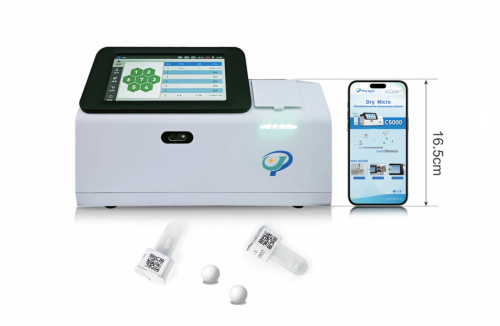
The Poclight C5000 applies CRET (Chemiluminescence Resonance Energy Transfer), a homogeneous immunoassay method. It generates a chemiluminescent signal directly in the sample mixture. No wash or separation step is needed. CRET uses acridine ester chemiluminescence with graphene oxide quenching to distinguish bound labels from unbound labels without physical separation. This removes wash buffers, fluidics, and multistep protocols. Conventional chemiluminescence analyzers become bulky and complex because of these components. The CRET technology value proposition delivers a compact, wash-free analyzer. You get results in 3–15 minutes through a simple 3-step workflow.
Key Takeaways
- The Poclight C5000 uses CRET technology to test samples without washing steps.
- This wash-free design makes the analyzer small, light, and easy to maintain.
- You get fast results in 3–15 minutes and can run multiple tests at once.
The CRET Technology Value Proposition: Wash-Free Chemiluminescence
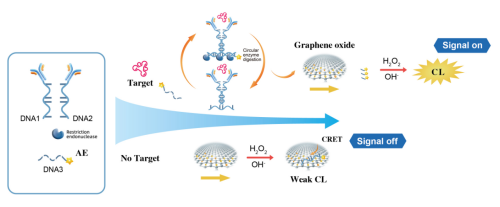
The CRET technology value proposition centers on one fundamental shift: you no longer need to wash away unbound materials to measure a signal. Traditional chemiluminescence immunoassays rely on physical separation to distinguish between bound and unbound labels. CRET takes a different path. Poclight’s CRET-based assay design uses graphene oxide quenching to distinguish relevant signals without physical bound/free separation. This design change cascades through every aspect of the testing process. You get faster results, simpler operation, and a dramatically smaller instrument.
How CRET Generates a Signal Without Washing
CRET belongs to a class of methods called homogeneous immunoassays. Homogeneous immunoassays enable one-step, rapid, and direct detection of analytes. This stands in sharp contrast to multistep, time-consuming heterogeneous immunoassays. The key difference lies in how the assay distinguishes bound labels from unbound labels. Heterogeneous assays use washing to physically remove unbound materials. Homogeneous assays use molecular proximity to control signal generation.
Poclight’s assay design uses acridinium ester as the chemiluminescent label and graphene oxide as a quencher. In the sandwich-assay example described by Poclight, unreacted labeled DNA can associate with graphene oxide and undergo signal quenching. Target-dependent complex formation changes this association, reducing quenching and enabling signal detection without magnetic-bead separation or washing. Specific reaction mechanisms and calibration relationships depend on the assay.
How Graphene Oxide Quenching Replaces Separation
Graphene oxide serves as the quenching component in the Poclight C5000's CRET system. This material has unique properties that make it ideal for this application. Graphene oxide can quench the chemiluminescent signal from acridine ester when the two are in close proximity. The quenching efficiency depends on distance.
In the sandwich-assay design described by Poclight, target-dependent complex formation reduces the association of the labeled DNA with graphene oxide, thereby reducing quenching. The resulting signal is interpreted using the assay’s calibration relationship to determine analyte concentration.
This design eliminates multiple washing steps required to separate bound from unbound components. You simply mix the sample with the reagents and measure the signal. The graphene oxide quenching mechanism replaces the separation function that washing provides in conventional assays. This approach offers high sensitivity, low background, good reproducibility, and a wide detection range. The simple mix-and-measure protocol works efficiently in the C5000's compact format.
Why Wash-Free Testing Removes Liquid Paths
Wash-free testing eliminates the need for internal liquid handling systems. Traditional chemiluminescence analyzers require complex fluidics to aspirate samples, dispense reagents, perform washes, and remove waste. These liquid paths demand regular maintenance, cleaning, and calibration. They also add size and weight to the instrument. The Poclight C5000 avoids these requirements entirely.
The absence of liquid paths produces several practical benefits. First, the instrument becomes much smaller. The C5000 has an A4-sized footprint and weighs approximately 8.5 kg. Second, maintenance requirements drop dramatically. No liquid paths mean no clogging, no tubing replacement, and no fluidic calibration. Third, the risk of cross-contamination between samples decreases. Without shared fluidic lines, each test remains isolated.
The table below summarizes how wash-free chemiluminescence immunoassays compare to traditional heterogeneous CLIA in point-of-care settings.
| Advantage of Wash-Free Chemiluminescence Immunoassay | Relevance to Point-of-Care Testing |
| Homogeneous format | Simplifies assay workflow by eliminating separation steps |
| No washing step required | Reduces hands-on time and complexity at the point of care |
| High reproducibility | Supports reliable results in decentralized settings |
| No liquid wastes | Improves safety and ease of disposal in point-of-care environments |
| Wide detection range | Enables testing across diverse analytes and concentrations |
| Low sample volume | Suitable for patient-friendly, minimally invasive point-of-care sampling |
| High sensitivity and specificity | Improves diagnostic accuracy in point-of-care testing |
| High throughput | Allows efficient processing when needed in point-of-care settings |
Chemiluminescence immunoassays can be classified as homogeneous or heterogeneous depending on whether separation and cleaning steps are required. Compared with the traditional heterogeneous immunoassay mode, homogeneous chemiluminescence offers advantages relevant to simplified and point-of-care-compatible testing.
The CRET technology value proposition becomes clear when you consider the full picture. You eliminate wash buffers, fluidics, and multistep protocols. You gain speed, simplicity, and portability. The Poclight C5000 delivers all these benefits in a package that fits on a benchtop.
Poclight CRET Technology in the C5000: Key Facts and Practical Advantages
The Poclight C5000 is a compact, semi-automated homogeneous chemiluminescence immunoassay analyzer that uses CRET (Chemiluminescence Resonance Energy Transfer) technology. CRET is the detection principle. The C5000 is the instrument that implements this principle. Poclight is the brand behind both the technology and the product. This section explains how the technology works, what practical benefits it delivers, and how laboratories can evaluate its performance.
How CRET Supports Wash-Free Detection
The CRET system uses acridine ester as the chemiluminescent signal generator and graphene oxide as the quencher. The immune reaction changes the relationship between the labeled marker and graphene oxide, allowing assay-dependent signal discrimination without a physical separation step. This change alters the signal in a measurable way. The Poclight homogeneous assay design uses this principle to distinguish relevant signals without traditional magnetic bead separation and washing steps. The reaction design varies by assay item, so the specific mechanism should be confirmed in each product's instructions for use.
Technology Features and Practical Value
| Technology Feature | C5000 Implementation | Practical Value |
| Homogeneous wash-free design | Eliminates magnetic bead separation and washing steps | Simplifies testing workflow and instrument structure |
| Compact product design | Dimensions: 325 × 231 × 213 mm; weight ≤ 8.5 kg | Suitable for space-limited testing locations |
| Independent channel design | 7 independent detection channels | Supports flexible test scheduling |
| Detection time | Typically 3–15 minutes for relevant assays; refer to individual assay instructions | Enables rapid turnaround for clinical decision-making |
| Lyophilized single-test reagents | Simplified reagent management and logistics under validated storage and transport conditions | Reduces cold chain burden and handling complexity |
The wash-free benefit relates to the CRET detection design. The reagent storage and transport advantages come from the lyophilized formulation and stability validation of the companion reagents. The independent channels, dimensions, and weight are instrument design features. These distinctions matter when you evaluate which benefits apply to your specific testing needs.
Frequently Asked Questions
What is CRET in the Poclight C5000?
CRET stands for Chemiluminescence Resonance Energy Transfer. It is a homogeneous immunoassay method that generates a chemiluminescent signal directly in the sample mixture. The Poclight C5000 uses this technology to perform chemiluminescence testing without wash or separation steps. This design enables a compact, semi-automated analyzer suitable for decentralized and point-of-care settings.
How does the C5000 perform homogeneous CLIA testing without magnetic-bead washing?
The C5000 uses acridine ester and graphene oxide in a homogeneous format. The assay uses target-dependent changes in the interaction between labeled components and graphene oxide to distinguish relevant signals. Analyte concentration is calculated using the calibration relationship established for the specific assay.The instrument measures this signal directly. No magnetic bead separation or washing step is needed to distinguish bound from unbound labels.
What practical benefits does this design offer smaller laboratories?
Smaller laboratories benefit from the compact size, light weight, and maintenance-free design. The C5000 fits on a benchtop and requires no internal liquid paths. You avoid the costs and complexity of wash buffers, fluidics, and associated maintenance. The simple 3-step workflow reduces training requirements. These features make lab-quality chemiluminescence testing accessible in space-limited and resource-limited settings.
How should laboratories evaluate the analytical performance of a CRET-based assay?
Accuracy cannot be inferred from the technology name or wash-free characteristics alone. You should evaluate each assay based on its precision, detection capability, method comparison data, interference studies, and quality control materials. Request the specific performance data for the assays relevant to your clinical needs. Review the instructions for use and verify that the performance meets your laboratory's requirements.
Sources and Next Steps
For official product pages, technical documentation, and assay instructions, visit the Poclight website at www.poclight.com. Contact Poclight directly to request the C5000 test menu, detailed performance data for specific assays, and configuration recommendations for your laboratory or distribution business.
How the Poclight C5000 Turns CRET Into a Compact Workflow
The CRET technology value proposition only matters if the instrument delivers it in a practical form. The Poclight C5000 translates the science of wash-free chemiluminescence into a benchtop analyzer that fits real clinical environments. Every design decision supports this goal. The instrument is small, light, and simple to operate. It handles multiple sample types and delivers fast results. This section explains how the C5000 turns the CRET principle into a working workflow for your laboratory.
A4 Size, 8.5 kg, and Maintenance-Free Design
The C5000 occupies an A4-sized footprint. Its dimensions are 325 × 231 × 213 mm. The instrument weighs approximately 8.5 kg. You can place it on a standard laboratory bench without rearranging your workspace. You can also move it between rooms when needed. This portability opens testing options that fixed, floor-standing analyzers cannot match.
The maintenance-free design follows directly from the wash-free chemistry. Traditional CLIA analyzers require internal liquid paths to aspirate samples, dispense reagents, perform washes, and remove waste. These fluidic systems demand regular cleaning, tubing replacement, and calibration. The C5000 eliminates these components entirely. No liquid paths mean no clogging, no fluidic maintenance, and no hidden cleaning costs. You avoid the downtime that comes with fluidic failures. You also reduce the risk of cross-contamination between samples because each test remains isolated.
This combination of small size and low maintenance changes the economics of chemiluminescence testing. You no longer need a dedicated laboratory space with specialized infrastructure. You no longer need a service contract for fluidic upkeep. The instrument simply runs. This reliability supports decentralized testing models where technical support may be limited.
Seven Channels and Whole Blood/Serum/Plasma Flexibility
The C5000 includes seven independent detection channels. Each channel operates separately. This design allows you to run different assays at the same time. You can prioritize urgent samples without disrupting other tests. You can also batch related tests for efficient workflow. The independent channel architecture supports flexible scheduling that matches your clinical priorities.
Sample type flexibility extends the instrument's reach. The C5000 accepts whole blood, serum, and plasma. This range covers the most common specimen types in clinical practice. You can choose the sample type that fits your collection protocol and your patient population.
The C5000 analyzer is validated to use serum or plasma for the majority of its assays; whole blood is only permitted for assays that include whole blood in their validation.
This validation note matters for quality control. You should confirm that your specific assay supports whole blood before using that sample type. The instructions for use provide this information for each test. Following the validated sample types ensures accurate results and regulatory compliance.
The table below summarizes the C5000's core specifications.
| Specification | Value |
| Detection channels | 7 |
| Throughput | Up to 80 tests per hour |
| Time to first result | As short as 3 minutes |
| Sample types | Whole blood, serum, plasma |
| Whole-blood precision | CV < 5% |
| Display | 7-inch LCD touchscreen |
The 7-inch LCD touchscreen provides a clear interface for operation. You can view results, manage test orders, and check instrument status directly on the screen. The touchscreen design reduces training time and simplifies daily use.
Speed, Sensitivity, and Simple Operation
Speed defines the C5000's clinical value. The instrument delivers the first sample result in as little as 3 minutes. Most assays complete within 3 to 15 minutes. This turnaround time supports time-critical decisions in emergency departments, intensive care units, and chest pain centers. You get actionable results while the patient is still in front of you.
The chart below shows time to result for key cardiac and inflammatory assays.
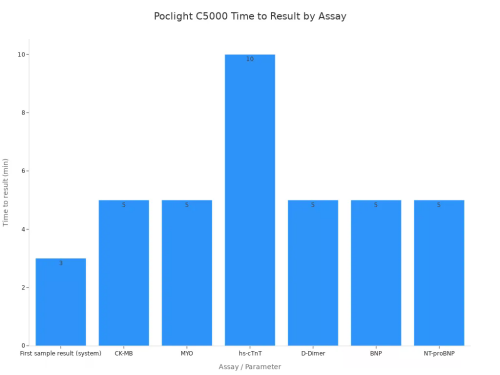
Figure 1Image Source: statics.mylandingpages.co
Sensitivity matches the speed. The C5000 uses photon multiplier tube (PMT) detection. This technology ensures lab-grade accuracy in a compact format. The table below lists reported analytical sensitivity and measuring ranges for representative assays.
| Assay / parameter | Time to result | Reported analytical sensitivity / performance |
| First sample result (system) | 3 min | CV <5% |
| CK-MB | 5 min | Measuring range 0.3–300 ng/mL |
| MYO | 5 min | Measuring range 21–3000 ng/mL |
| hs-cTnT | 10 min | LoD <5 ng/L; measuring range 5–10,000 ng/L |
| D-Dimer | 5 min | Measuring range 0.25–20 mg/L |
| BNP | 5 min | Measuring range 15–5,000 pg/mL |
| NT-proBNP | 5 min | Measuring range 15–35,000 pg/mL |
Additional assays demonstrate similar performance characteristics.
| Assay / parameter | Time to result | Reported analytical sensitivity / range |
| General C5000 assay | 3–15 min, depending on test | See row-specific ranges below |
| CRP | Within the 3–15 min assay window | Measuring range 0.5–320 mg/L |
| PCT | Within the 3–15 min assay window | Measuring range 0.02–100 ng/mL |
| BNP | Within the 3–15 min assay window | Measuring range 15–35,000 pg/mL |
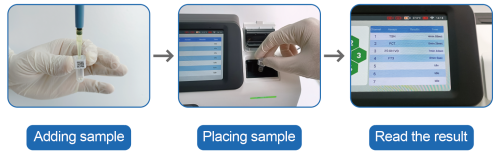
The workflow itself requires only three steps. You add the sample to the reagent, insert the test cartridge, and read the result. No washing, no separation, and no complex pipetting protocols. This simplicity reduces operator error and speeds up training. New users can perform tests accurately after minimal instruction.
The C5000 supports a broad assay menu covering inflammation, cardiac markers, thyroid function, fertility hormones, tumor markers, and metabolic testing. You can run more than 50+ parameters on a single instrument. This menu breadth means you can consolidate testing without purchasing multiple analyzers. The CRET technology value proposition extends beyond speed and size. It delivers a complete testing solution in a package that works for space-limited and resource-limited settings.
CRET vs. Traditional CLIA: What Changes for Labs
You face a clear choice when selecting a chemiluminescence platform. Traditional CLIA systems rely on magnetic bead separation and washing steps. The Poclight C5000 uses CRET technology to eliminate those steps entirely. This difference reshapes your workflow, your space requirements, and your operating costs.
Workflow Differences Between CRET and Traditional CLIA
Traditional CLIA follows a multi-step process. You add sample, add magnetic beads, incubate, wash away unbound material, add substrate, and measure the signal. Each step demands precise liquid handling. Each wash cycle consumes time and reagents. The CRET technology value proposition changes this sequence. You add the sample to a lyophilized reagent bead, load the cartridge, and read the result. No washing. No separation. No magnetic beads. The homogeneous format removes the most time-consuming and error-prone steps from your protocol.
Comparison Table: C5000 CRET vs. Traditional CLIA
| Performance Parameter | Poclight C5000 (CRET-based CLIA) | Conventional Automated CLIA |
| Methodology | Homogeneous CRET-based chemiluminescence immunoassay | Chemiluminescent labels (e.g., acridinium or enzyme systems) |
| Separation / Wash | No magnetic-bead wash or physical bound/free separation | Commonly solid-phase separation and wash |
| Operational Profile | Compact, semi-automated, 7 independent channels | High automation; typically larger instrument and fluidic workflow |
| Reagent Format | Single-use lyophilized beads; 2–30°C storage; shelf life up to 18 months | Not specified in source |
| Speed | First result as fast as 3 min; assays commonly 3–15 min | Not specified in source |
| Throughput | Up to 80 tests/hour | Not specified in source |
| Footprint | 325 × 231 × 213 mm; ≤8.5 kg | Typically larger instrument |
| Sample Types | Serum and plasma for most assays; whole blood for validated assays | Not specified in source |
| Workflow | Add sample → load reagent → read result; no magnetic-bead washing step | Larger instrument and fluidic workflow |
What Wash-Free Chemiluminescence Means for Space-Limited Labs
Space-limited laboratories gain immediate advantages from wash-free chemiluminescence. The C5000 occupies an A4 footprint and weighs under 8.5 kg. You can place it on any standard bench. You do not need dedicated fluidic lines, waste containers, or wash buffer storage. The instrument requires no internal liquid paths. This design eliminates clogging risks and fluidic maintenance costs. For emergency departments, primary care clinics, and decentralized testing sites, the CRET technology value proposition delivers lab-quality results without the infrastructure demands of traditional CLIA. You get faster turnaround, simpler operation, and a smaller physical footprint.
FAQ
What makes the Poclight C5000 different from traditional CLIA analyzers?
The C5000 uses CRET technology to eliminate washing and separation steps. You get a compact, maintenance-free analyzer that delivers results in 3–15 minutes without complex fluidics.
Can you run different tests simultaneously on the C5000?
Yes. The C5000 has seven independent detection channels. You can run different assays at the same time and prioritize urgent samples without disrupting other tests.
What sample types does the C5000 accept?
The C5000 accepts whole blood, serum, and plasma. Most assays use serum or plasma. You should confirm whole blood validation for your specific assay before use.