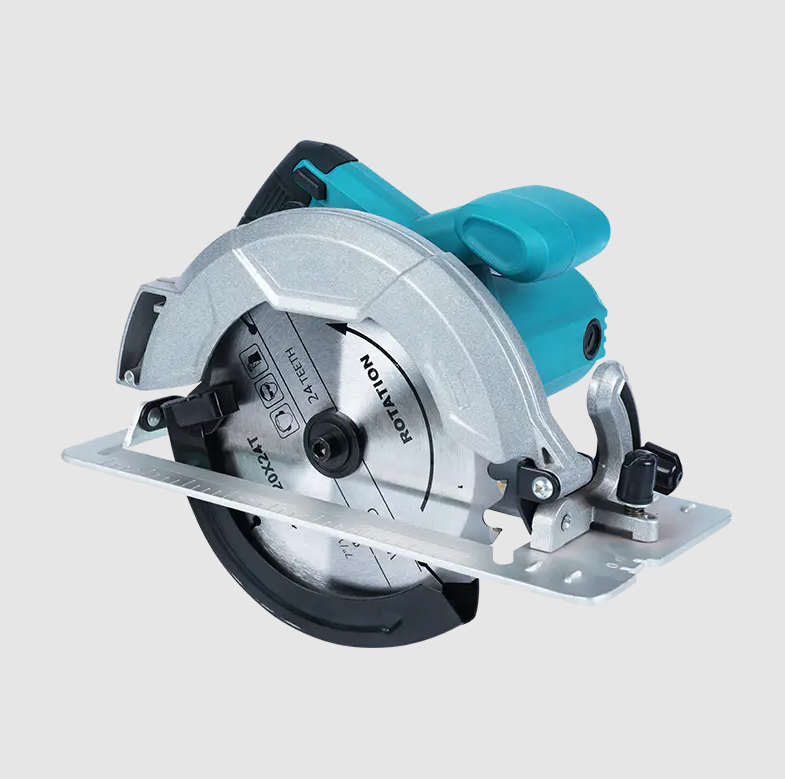
A curve saw brings a practical approach to shaping materials when straight lines alone will not suffice. Woodworkers and hobbyists turn to this tool when a project calls for flowing lines, rounded edges, or gentle arcs. The design allows the blade to follow a marked path without forcing the material into unnatural angles. Operators guide the saw along pencil lines drawn freehand or transferred from templates, producing cuts that feel intentional rather than forced.
The blade itself plays a central role. Narrower than those found on standard handsaws, it flexes just enough to track around corners while remaining stiff enough to stay true. Users often start with a pilot hole or an entry point at the edge of the workpiece. From there the saw moves steadily, the teeth clearing chips as the cut progresses. Pressure remains light and consistent; too much force can bind the blade or wander from the intended curve. A relaxed grip and steady rhythm help keep the path clean.
Different woods respond in their own ways. Soft pine yields quickly and leaves a smooth surface that needs only light sanding. Hardwoods such as maple or oak demand slower progress and occasional pauses to clear sawdust. The curve saw adapts to both, provided the operator matches speed to the density of the grain. Plywood and some composite boards also accept the tool well, though the layered structure may require a finer tooth pattern to avoid tear-out along the edges.
In furniture making the curve saw appears during the creation of cabriole legs, scrolled brackets, or decorative aprons. A single continuous cut can define the silhouette of a chair arm or the sweep of a table skirt. Crafters working on toys or musical instruments find the same advantage: the tool lets them form organic outlines that look hand-shaped rather than machine-stamped. Even simple projects, like a curved shelf bracket or a garden sign with rounded corners, gain character from the free-flowing line the saw produces.
Storage and handling stay straightforward. The saw hangs or rests flat when not in use, protecting the teeth from accidental knocks. A quick wipe after work removes resin or dust that might otherwise cling to the blade. Over time the user builds a collection of blades suited to different radii and materials, swapping them as the task changes. The curve saw therefore becomes a flexible companion rather than a single-purpose item, ready whenever a design calls for a line that bends.