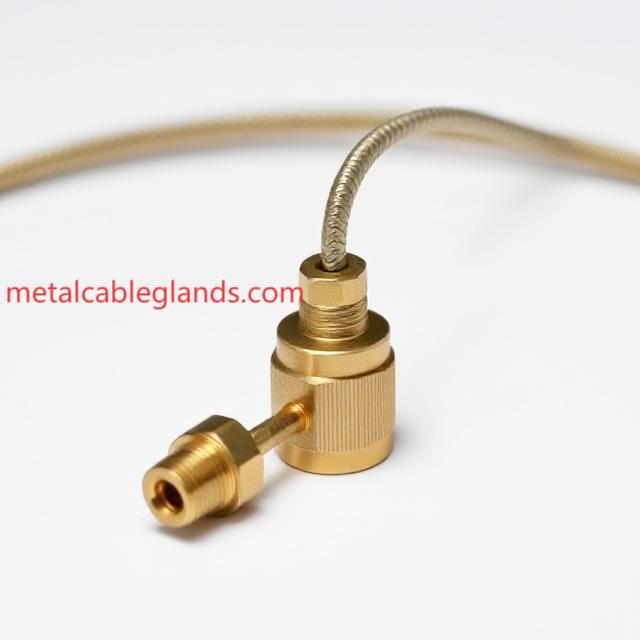
Electrical installation projects often involve components from different manufacturers, each with specific connection dimensions and thread configurations. Finding compatible accessories is therefore an important part of equipment assembly. A Cable Gland Adaptor provides a practical way to connect components with different thread specifications and accommodate various installation arrangements. By selecting a suitable Cable Gland Adaptor, equipment manufacturers and electrical contractors can simplify connection planning, improve component compatibility, and create more flexible cable entry configurations for industrial applications.
Addressing Different Connection Requirements
Electrical enclosures, distribution cabinets, and industrial machinery do not always share identical connection standards. Differences in thread sizes, mounting openings, and component designs can make direct installation difficult. Adaptors help bridge these differences by providing an intermediate connection between compatible components.
This flexibility is useful when manufacturers combine cable glands, electrical housings, and conduit systems from different product ranges. Rather than redesigning an entire assembly, installers can evaluate whether an appropriate adaptor can accommodate the required connection dimensions.
Before selecting an accessory, buyers should identify the thread types on both sides of the connection. Metric, PG, NPT, and other thread standards have different dimensional characteristics and should not be treated as interchangeable without proper verification.
Accurate measurements and technical documentation can help prevent mismatched components and unnecessary installation adjustments.
Choosing Materials for Industrial Applications
Material selection has a direct influence on the suitability of electrical connection accessories. Different working environments may require different mechanical and environmental characteristics.
Brass is commonly used in electrical connection components because of its machinability and practical mechanical properties. Stainless steel is another option for applications where corrosion resistance and structural strength are important. Other materials may also be considered depending on equipment design and operating conditions.
The surrounding environment should guide the selection process. Indoor control cabinets may have different material requirements from outdoor machinery exposed to rain, humidity, and temperature changes.
Buyers should also consider surface finishing, dimensional accuracy, and thread quality. Consistent manufacturing standards help ensure that adaptors can be assembled with compatible components and maintained throughout the equipment's service life.
Metalcableglands Solutions for Cable Connection Accessories
Metalcableglands offers a range of metal cable glands and related connection accessories for electrical and industrial applications. Its product categories support different cable entry arrangements and equipment installation requirements.
When evaluating adaptor products, customers should communicate their specific connection needs. Relevant information includes the required thread combinations, material preferences, installation dimensions, and intended operating environment.
For equipment manufacturers, compatibility with existing components is especially important. An adaptor must correspond to the mechanical specifications of the connected parts and should not interfere with the enclosure's intended protective structure.
Distributors and purchasing professionals may also benefit from reviewing product drawings and technical specifications before ordering. This can make it easier to compare available configurations and identify suitable products for different customer projects.
Clear communication between buyers and suppliers supports a more efficient purchasing process, particularly when customized connection arrangements are involved.
Improving Assembly Efficiency and Maintenance
A well-planned connection structure can make electrical equipment easier to assemble and maintain. Adaptors provide additional flexibility when installation dimensions need to be adjusted without changing the main equipment structure.
During assembly, technicians should check the thread engagement and ensure that connected components are properly aligned. Incorrect installation angles or unsuitable thread combinations may cause mechanical problems and affect the overall connection.
Where sealing is required, buyers should verify whether additional sealing washers, O-rings, or other compatible accessories are necessary. The complete assembly should meet the relevant enclosure protection requirements.
Maintenance teams should periodically inspect connection points for corrosion, loosening, or physical damage. These checks are particularly useful in industrial environments where machinery operates continuously or experiences vibration.
A consistent installation procedure helps improve maintenance convenience and supports more organized equipment management.
Applications Across Modern Electrical Equipment
Cable connection adaptors can serve a variety of industries and equipment categories. Their flexibility makes them relevant to electrical cabinets, automation machinery, manufacturing systems, lighting equipment, and communication enclosures.
In automation applications, different sensors, control devices, and electrical housings may require specific connection arrangements. Suitable adaptors can help installers coordinate these components within limited installation spaces.
Machinery manufacturers may also use adaptors when developing equipment with different cable entry configurations. For distributors, maintaining access to various connection accessories helps address the needs of customers working with different equipment specifications.
When purchasing products for international projects, buyers should pay particular attention to thread standards and dimensional compatibility. Providing accurate technical information allows suppliers to recommend suitable configurations and reduces the possibility of ordering unsuitable components.
Selecting appropriate connection accessories is an important part of building adaptable electrical systems. To explore metal cable glands, cable connection adaptors, and other industrial accessories, visit https://www.metalcableglands.com/ for additional product information and available solutions.