As automotive technology continues to evolve, smart glass solutions are becoming increasingly popular in modern vehicle design. From panoramic sunroofs to side windows and rear glazing, intelligent dimming film offers new possibilities for improving driving comfort, privacy, and interior experiences. However, automotive environments present unique challenges, especially when it comes to temperature fluctuations. This is why wide-temperature smart film is attracting growing attention from automotive manufacturers and glass suppliers.
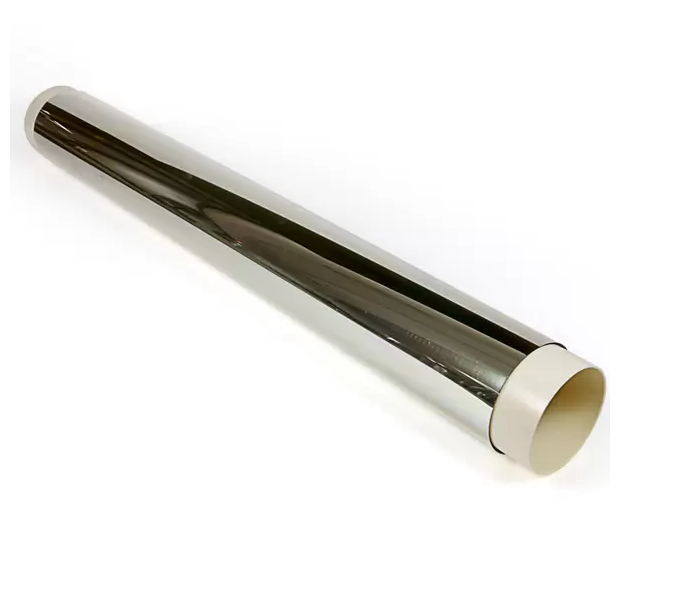
1. Automotive Environments Require Better Temperature Adaptability
Unlike indoor smart glass applications, automotive glass is frequently exposed to extreme environmental conditions. During summer, vehicles parked under direct sunlight can experience significant heat buildup, particularly around panoramic roofs and large glass windows. In winter, vehicles may be exposed to freezing temperatures for extended periods.
These constant temperature changes can affect the performance of smart film, electrical connections, adhesives, and other glazing components. Therefore, selecting a smart film with a suitable operating temperature range is essential for automotive applications.
Wide-temperature smart film is designed to provide a broader environmental operating range, helping manufacturers evaluate its suitability for vehicles used in different climates.
2. Reliable Performance in High-Temperature Conditions
Heat resistance is one of the most important considerations for automotive smart film. Panoramic sunroofs and roof glass receive substantial solar radiation, especially when vehicles remain outdoors for long periods.
A smart film must maintain its intended dimming function while remaining compatible with the surrounding glass structure and installation materials.
Shuifa Singyes New Materials has developed wide-temperature intelligent liquid crystal dimming film with a stated stable operating temperature range of -30°C to 100°C. The upper temperature limit provides a useful reference for evaluating automotive applications exposed to high temperatures.
For vehicle manufacturers, this wider operating range offers greater flexibility when selecting smart film for sunroofs and other glass areas. However, actual performance should always be verified through testing of the complete glazing assembly.
3. Stable Operation in Cold Weather
Low-temperature performance is equally important, particularly for vehicles operating in northern regions, mountainous areas, and countries with significant seasonal temperature differences.
When a vehicle is parked outdoors overnight, its glass and surrounding components can become extremely cold. The smart film must remain suitable for the intended operating conditions, while its electrical connections and control system must also function within their specified limits.
With a stated operating range extending down to -30°C, wide-temperature intelligent liquid crystal dimming film provides an important reference for automotive projects requiring cold-weather adaptability.
This makes temperature evaluation particularly relevant for manufacturers developing vehicles for international markets with diverse climate conditions.
4. Suitable for Multiple Automotive Glass Applications
Wide-temperature smart film can be evaluated for various automotive glazing applications, depending on vehicle design and technical requirements.
Panoramic Sunroofs
Panoramic roofs are increasingly common in modern passenger vehicles. Since they are directly exposed to sunlight, thermal performance is an important factor when selecting smart film. Wide-temperature film provides a defined operating range for evaluating these applications.
Automotive Side Windows
Side windows experience changing sunlight exposure depending on vehicle orientation and driving conditions. Smart film can be considered for these areas when its dimensions, installation structure, and electrical requirements match the glazing design.
Rear Windows
Rear glazing may involve additional electrical and structural considerations. Selecting compatible smart film requires evaluating the complete glass assembly, including nearby electrical components and connection points.
Commercial Vehicles and Caravans
Commercial vehicles and recreational vehicles often operate across different climate zones. A wider temperature specification helps manufacturers assess material suitability for these varied operating environments.
5. Why Complete System Testing Matters
Although temperature range is an important selection factor, it should not be the only consideration. Automotive smart film works as part of an integrated glazing system.
The film, glass, adhesives, edge seals, electrical connections, and controllers must all be compatible with the expected environmental conditions.
Manufacturers should consider thermal cycling tests, switching performance, optical appearance, edge conditions, and electrical reliability. Testing should also reflect the actual vehicle application rather than relying solely on general product specifications.
This approach helps ensure that the selected smart film meets the technical requirements of the finished vehicle.
6. Choosing the Right Automotive Smart Film Supplier
Working with an experienced smart film supplier can simplify the material selection and development process. Automotive manufacturers should review product specifications, operating temperature definitions, glazing compatibility, electrical requirements, and available technical documentation.
Shuifa Singyes New Materials offers wide-temperature intelligent liquid crystal dimming film with a stated stable operating range of -30°C to 100°C. Its automotive application solutions can be considered for sunroofs, side windows, and rear windows.
Early communication between suppliers and vehicle manufacturers also helps identify potential installation and testing requirements before prototype development.
Conclusion
Wide-temperature smart film is an important option for automotive applications because vehicles must operate under changing environmental conditions throughout the year. Its ability to address both high-temperature and low-temperature requirements makes it a valuable material for evaluating modern automotive smart glass solutions.
With a stated operating temperature range of -30°C to 100°C, Shuifa Singyes New Materials' intelligent liquid crystal dimming film provides a useful starting point for automotive manufacturers exploring smart film integration.
Ultimately, successful application depends on selecting compatible materials and validating the complete glazing system under representative vehicle conditions. As automotive glass technology continues to develop, wide-temperature smart film is expected to play an increasingly important role in next-generation vehicle glazing.