Automotive smart film is becoming an increasingly popular solution for modern vehicle glazing, offering flexible light control and improved privacy. It can be integrated into new vehicles through Original Equipment Manufacturer (OEM) programs or installed in existing vehicles through aftermarket projects. Although both applications use switchable film technology, their requirements differ significantly in product selection, customization, installation, and quality control.
Understanding these differences helps automotive manufacturers, suppliers, and installation professionals choose the right smart film solution for each project.
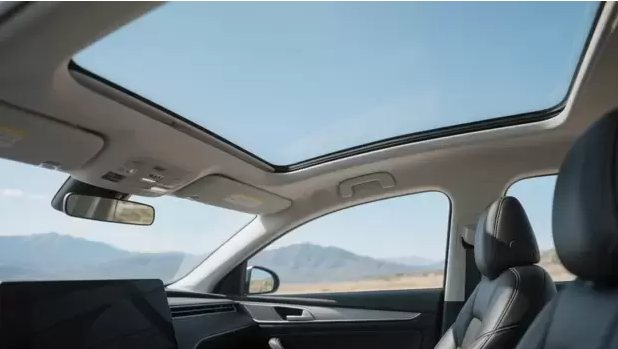
1. Different Starting Points: OEM vs. Aftermarket
The main difference between OEM and aftermarket automotive smart film lies in when and how the product is integrated into the vehicle.
For OEM applications, smart film is considered during vehicle development. Manufacturers can coordinate with glass suppliers and smart film producers to define dimensions, active areas, electrical connections, and installation requirements in advance.
Aftermarket applications begin with an existing vehicle. Installers must evaluate the original glass structure, available installation space, and existing electrical system before determining whether a particular film configuration is suitable.
Therefore, OEM projects generally focus on planned integration and production consistency, while aftermarket projects prioritize vehicle compatibility and installation flexibility.
2. Customization and Glass Compatibility
Customization is important for both applications, but the requirements are different.
In OEM projects, product dimensions and active areas can be designed according to approved vehicle glass drawings. Electrical connection positions and cable routing can also be considered during the initial development stage.
For aftermarket installations, suppliers and installers often need to work with actual glass measurements. Different vehicle versions may have variations in glass dimensions, curvature, and surrounding structures.
A suitable automotive smart film solution should consider:
-
Glass dimensions and curvature.
-
Required active switching area.
-
Film edge clearance and installation boundaries.
-
Electrical connection positions.
-
Compatibility with existing glazing materials.
Accurate measurements and technical confirmation help reduce installation problems and unnecessary customization.
3. Installation Requirements and Technical Integration
OEM smart film installation can be incorporated into a standardized vehicle assembly process. Manufacturers can establish specific work instructions, handling procedures, installation sequences, and inspection standards.
This makes it easier to maintain consistency across production batches and identify potential quality issues.
Aftermarket installation is more dependent on the existing vehicle structure. Interior trim, wiring arrangements, mounting components, and limited working space may create additional challenges.
Installers should inspect the target glass, confirm available access, plan cable routing, and verify that the installation method follows the supplier's technical requirements.
Regardless of the application, proper installation is essential for achieving the intended switching function and appearance.
4. Electrical Integration and Control Systems
Electrical integration is another important difference between OEM and aftermarket applications.
For OEM projects, the smart film's power supply and control requirements can be coordinated with the vehicle's electrical architecture. Manufacturers can define connection interfaces, switching methods, and control arrangements during product development.
Aftermarket projects must adapt to the existing vehicle electrical system. Installers need to identify a suitable power source, confirm electrical compatibility, and determine how the control components can be installed.
The connection layout and control requirements should be confirmed before installation to avoid unnecessary modifications or compatibility issues.
5. Quality Control and Performance Verification
Both OEM and aftermarket applications require careful quality inspection, but their verification processes are different.
OEM projects usually involve sample approval, dimensional inspection, electrical testing, visual checks, and program-specific validation before mass production.
Aftermarket installations focus on confirming product compatibility and checking the completed installation. Important inspection points include film positioning, switching performance, electrical connections, edge conditions, and overall appearance.
A basic switching test alone cannot guarantee that every technical requirement has been satisfied. Inspection procedures should follow the product specifications and the needs of the specific vehicle application.
6. Supply Chain and Delivery Considerations
OEM projects typically require stable production capacity, consistent product specifications, scheduled deliveries, and clear engineering documentation. Suppliers must coordinate closely with vehicle manufacturers to support production planning and manage specification changes.
Aftermarket projects often involve smaller orders and a wider variety of vehicle models. Flexible customization, accurate product identification, and clear installation guidance become particularly important.
For both markets, working with a supplier that provides reliable technical communication and clearly defined product specifications helps improve project efficiency.
7. How to Choose the Right Automotive Smart Film Solution
Choosing between OEM integration and aftermarket installation depends on the vehicle development stage and the available technical information.
OEM integration is suitable for manufacturers developing new vehicles or glazing systems that require coordinated engineering, standardized assembly, and consistent quality verification.
Aftermarket solutions are more appropriate for existing vehicles where compatible smart film can be installed without compromising the original glass structure or electrical requirements.
Before selecting a product, buyers should consider vehicle compatibility, glass dimensions, active area requirements, electrical connections, installation conditions, and quality inspection procedures.
Conclusion
OEM and aftermarket automotive smart film applications share the same goal of integrating switchable technology into vehicle glazing, but their engineering and delivery requirements are significantly different.
OEM projects emphasize early design coordination, standardized specifications, electrical integration, and production consistency. Aftermarket projects focus more on existing vehicle compatibility, customized dimensions, installation flexibility, and final inspection.
Understanding these differences helps manufacturers, suppliers, and installers make better product decisions and develop more suitable automotive smart film solutions. By matching the film configuration and installation process to the actual vehicle requirements, smart film technology can be integrated more effectively into both new vehicles and existing automotive glass systems.