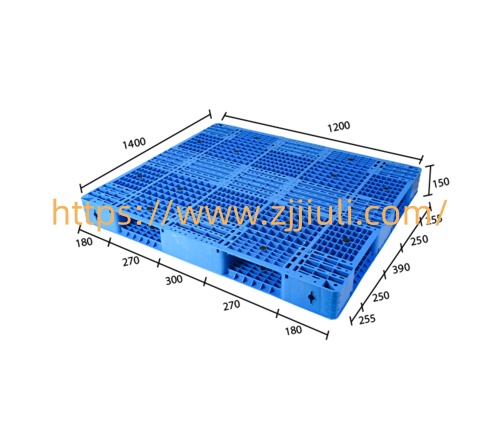
Grid Pallet design has become an interesting consideration for businesses seeking practical ways to organize warehouse storage and transportation. Although industrial equipment is often selected according to its intended application, structural details can influence daily operations in several ways. Surface construction, material properties, cleaning convenience, and handling compatibility all deserve attention when companies review their storage systems. A carefully considered purchasing decision can help businesses select equipment that fits their working environment and goods management requirements.
Plastic has become a familiar material in commercial storage because of its practical characteristics. Unlike untreated wood, plastic does not absorb moisture in the same way, making it a useful option for workplaces where regular cleaning is necessary. Its surface can generally be wiped down without the same concerns associated with moisture absorption. Depending on the material formulation and manufacturing process, plastic products can also be designed for repeated handling in different commercial environments.
The manufacturing process plays an important role in determining the appearance and construction of industrial storage products. Injection molding allows manufacturers to create integrated structures with carefully arranged supporting sections and surface patterns. These details can influence how goods are positioned and how equipment interacts with the product during handling. Buyers should pay attention to the manufacturing process because it provides useful insight into product consistency and structural design.
An open surface is another feature worth considering. Spaces within the structure allow air to circulate around stored goods, which can be useful in applications where ventilation is part of the storage process. The openings may also allow water to pass through during cleaning rather than remaining on a continuous surface. For businesses handling agricultural goods, reusable containers, and certain industrial materials, these characteristics may support their everyday working routines.
However, product selection should always reflect the type of goods being handled. Smaller items may require additional packaging to prevent them from moving through the openings. Some products may also need a more continuous supporting surface. Understanding these differences before purchasing can help companies select a design that matches their actual requirements rather than choosing equipment based only on appearance.
Another important consideration is how storage equipment fits into existing warehouse operations. Goods frequently move between receiving areas, inspection stations, storage locations, and distribution departments. During these processes, convenient access for handling equipment can influence workplace organization. Buyers should examine the positioning of entry openings, the supporting base, and the way products can be arranged during transportation.
Cleaning and maintenance are also relevant to long term purchasing decisions. Different industries have different hygiene and maintenance expectations. Facilities handling packaged products may have different requirements from those processing agricultural materials or industrial components. Buyers should review the surface structure and cleaning recommendations to determine whether routine maintenance can be incorporated into existing workplace procedures.
The appearance of industrial equipment can contribute to a more organized storage environment as well. Consistent shapes and coordinated product arrangements can help employees recognize designated storage areas. Color selection may also support internal identification systems when companies separate goods according to departments, product categories, or handling procedures. These visual details can make everyday warehouse management easier to coordinate.
Before selecting a supplier, purchasing teams should prepare a clear understanding of their operational needs. The type of goods, storage environment, transportation method, cleaning frequency, and compatibility with existing equipment are all relevant considerations. Comparing these factors can help businesses communicate their expectations and evaluate different manufacturing options more effectively.
Supplier communication is equally important when sourcing plastic logistics products. Buyers may need information about material selection, structural design, manufacturing methods, customization services, and quality inspection procedures. A manufacturer that can explain these aspects clearly makes it easier for purchasing teams to assess whether a product is suitable for their intended application.
Zhiguang provides plastic products for storage, logistics, and industrial applications. Its product range offers commercial buyers different options when reviewing equipment for goods handling and warehouse organization. By considering material characteristics, structural preferences, and practical working requirements together, businesses can make more informed purchasing decisions and establish suitable equipment plans for their operations.
As logistics and warehouse management continue to develop, equipment selection remains closely connected with organization, maintenance, and daily handling practices. Businesses looking for plastic products for commercial storage and transportation can visit https://www.zjjiuli.com/product/ to review the available categories from Zhiguang and identify suitable options for their operational requirements.