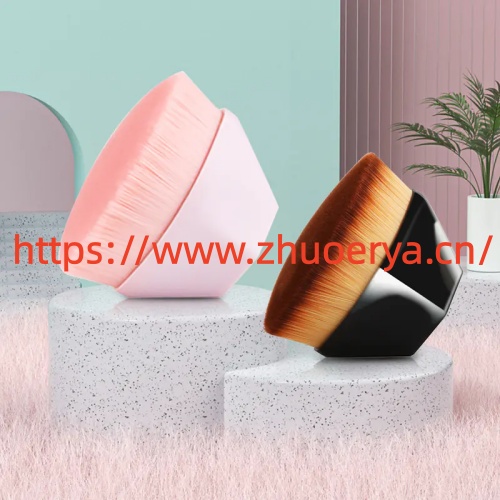
Face Foundation Brush selection can influence how people apply complexion products and achieve their preferred makeup appearance. Although cosmetic formulas receive much attention, the application tool also plays an important role in the overall experience. Fiber texture, head shape, flexibility, and handling comfort can affect how a formula spreads across the skin. Understanding these details helps users choose an option that suits their preferred techniques and everyday routines.
One detail worth considering is the shape of the brush head. Flat designs can help distribute liquid formulas across broader facial areas, while rounded heads support circular blending movements. Angled shapes provide access to areas around the nose and facial contours. Each design serves a different purpose, so users should think about their preferred application style before making a purchase.
Fiber texture is another important consideration. Synthetic fibers are commonly used in complexion application tools because they can be produced with different levels of softness and flexibility. Their smooth structure can support the distribution of liquid and cream formulas. Fiber arrangement also affects how much product the head picks up and how it releases the formula during application.
Density influences the way an applicator interacts with cosmetic products. More compact fiber arrangements can provide a different level of coverage compared with loosely arranged fibers. Users who prefer gradual blending may appreciate a flexible head that allows controlled movements. Those who want to work across larger areas may prefer a shape designed for broader contact with the skin.
The choice of application technique also matters. Some users apply a small amount of foundation to several facial areas before blending, while others work gradually across one section at a time. Gentle circular movements can help distribute certain formulas, while pressing and sweeping motions may suit other products. Experimenting with different techniques can help users identify a comfortable routine.
Handle design contributes to the overall experience as well. A comfortable grip allows users to guide movements with greater control, especially when working around facial contours. Handle materials and surface finishes also influence the appearance of the product. Wooden designs offer a natural visual character, while plastic handles allow different colors, shapes, and decorative treatments.
Cleaning is another practical factor that should not be overlooked. Cosmetic residue can collect between fibers after repeated use. Regular cleaning helps remove accumulated products and supports a more hygienic application routine. Users can follow the care guidance provided for their specific product, using suitable cleaning methods and allowing the fibers to dry naturally before storage.
Storage habits can influence how well an applicator maintains its shape. Leaving it exposed to dust or placing pressure on the head may affect the arrangement of the fibers. A protective pouch or suitable storage holder can help keep accessories organized between applications. For people who travel frequently, portable storage can also make daily routines easier to manage.
When purchasing an application tool, consumers should consider their skin preparation habits, cosmetic preferences, and desired appearance. Someone who prefers lightweight everyday coverage may choose a different design from someone who regularly creates layered complexion looks. There is no single shape that suits every technique, making product selection a matter of personal preference and intended use.
For professional beauty businesses, product design involves additional considerations. Retailers may want coordinated colors and packaging, while makeup studios may focus on handling comfort and application versatility. Distributors can also consider different head shapes and fiber textures when planning their product assortment. These choices help businesses address different customer expectations.
Z'OREYA offers cosmetic application products with different design directions for personal and commercial use. Buyers can consider fiber materials, head shapes, handle finishes, and coordinated product styles when reviewing available options. These design choices provide opportunities for retailers and beauty businesses to develop collections that reflect their customer preferences and product positioning.
Choosing a suitable complexion application tool is ultimately about finding a balance between material, shape, handling, and maintenance. Understanding how these features work together can help consumers make more informed purchasing decisions and create routines that match their individual preferences. Beauty retailers and businesses interested in reviewing cosmetic accessory options can visit https://www.zhuoerya.cn/ to view the Z'OREYA product range and consider suitable designs for their customers.