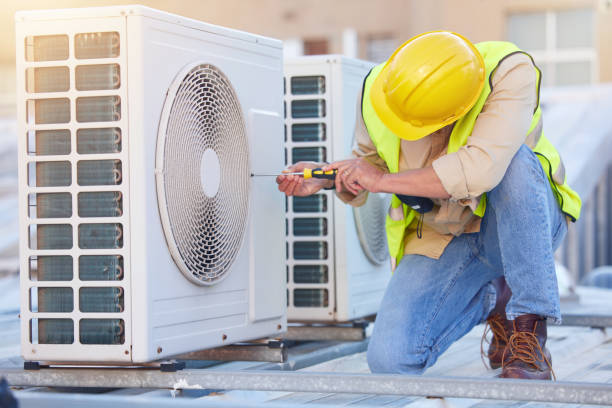
Air Condition Market is evolving as manufacturers explore advanced HVAC technologies that combine cooling performance, intelligent operation, and improved environmental management. Heating, ventilation, and air conditioning systems play an important role in maintaining indoor environmental conditions across residential, commercial, and institutional buildings. Modern customers increasingly expect equipment that provides reliable temperature management while supporting convenient operation and efficient energy use. This is encouraging manufacturers to invest in product engineering, connected controls, advanced filtration, and system integration. The growing relationship between building infrastructure and intelligent cooling technology is creating new directions for innovation across the air conditioning industry.
The advancement of integrated climate management is encouraging interest in next-generation HVAC equipment and indoor climate solutions. Unlike conventional standalone cooling equipment, modern HVAC solutions can combine multiple functions and support coordinated operation across different building areas. Advanced controls allow users and facility managers to adjust settings according to occupancy, indoor conditions, and operational requirements. Manufacturers are also developing systems that integrate cooling with ventilation and air filtration capabilities. These developments are creating more comprehensive approaches to indoor environmental management while encouraging customers to consider system performance beyond basic temperature control.
Indoor air quality has become an important consideration in modern building environments. Consumers are paying greater attention to dust, airborne particles, ventilation, and filtration when evaluating indoor comfort solutions. Manufacturers are responding by incorporating improved filtration technologies into selected air conditioning products. These features can support the removal of certain airborne particles, depending on the filtration system and maintenance conditions. Proper ventilation and regular filter replacement remain important for maintaining indoor environmental quality. As awareness increases, customers may increasingly evaluate cooling equipment according to both temperature performance and additional indoor air management capabilities.
Variable refrigerant flow technology is another important development in advanced commercial HVAC applications. These systems can provide flexible cooling arrangements by regulating refrigerant flow according to the requirements of different indoor units. This makes them relevant for buildings with multiple rooms or zones that have varying cooling demands. Offices, hotels, and larger commercial properties may benefit from systems that support different temperature preferences across individual areas. Installation planning and technical expertise are important because these systems can involve complex equipment configurations. Manufacturers and HVAC specialists continue to explore ways to improve system flexibility and operating performance.
Heat pump technology is also contributing to innovation across the wider HVAC industry. Depending on system design, heat pumps can provide both cooling and heating functions, making them useful in environments with changing seasonal requirements. Their operation relies on transferring heat rather than generating heating through conventional resistance methods. This technology is receiving attention as building owners explore integrated climate management and energy-conscious equipment. Product selection depends on local climate conditions, installation requirements, and building characteristics. Manufacturers are continuing to improve system design and performance to address different residential and commercial applications.
The integration of renewable energy with cooling systems is creating additional opportunities for sustainable building development. Solar-powered air conditioning solutions and systems designed to coordinate with renewable electricity installations are attracting interest in certain applications. These technologies may help building owners explore alternative approaches to managing cooling-related electricity demand. However, performance depends on system configuration, energy availability, storage arrangements, and local conditions. Manufacturers and energy technology providers are exploring different integration methods to improve compatibility. The wider development of sustainable buildings may further encourage innovation in this area.
Digital monitoring and predictive maintenance are also changing HVAC management practices. Connected sensors and monitoring platforms can provide information about equipment operation and system conditions. Facility managers may use this information to identify unusual operating patterns and plan maintenance activities. Predictive maintenance approaches aim to identify potential issues before they develop into more significant equipment problems. This can support maintenance planning and help businesses manage complex cooling installations. For manufacturers, connected service platforms can also create opportunities to improve customer support and develop stronger relationships with commercial clients.
Future HVAC development will increasingly involve the integration of intelligent controls, efficient compressors, alternative refrigerants, improved filtration, and advanced building management technologies. Manufacturers will need to balance technical innovation with affordability, installation convenience, service accessibility, and environmental considerations. Collaboration among equipment producers, construction companies, energy providers, and HVAC professionals may become increasingly important in delivering integrated solutions. Customers are likely to evaluate cooling systems through a broader perspective that includes reliability, indoor comfort, operating expenses, and sustainability. These priorities will continue influencing innovation across the Air Condition Market.
FAQs
Q: What is the role of HVAC systems in modern buildings?
A: HVAC systems manage indoor heating, cooling, ventilation, and related environmental conditions.
Q: What is variable refrigerant flow technology?
A: It regulates refrigerant flow to support different cooling requirements across multiple indoor units.
Q: How does predictive maintenance benefit HVAC systems?
A: It helps identify potential equipment issues and supports more organized maintenance planning.