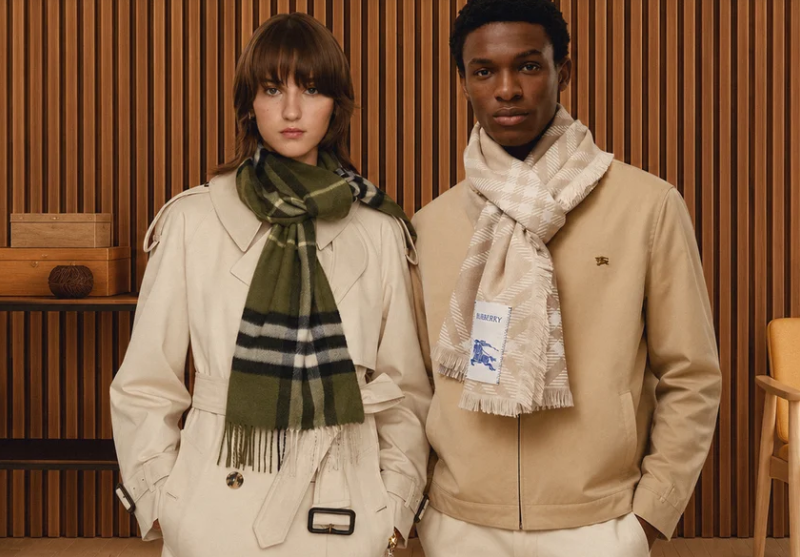
Scarves are versatile fashion accessories that combine practical fabric choices with different patterns, colors, and styling possibilities. They have remained part of clothing traditions across different cultures and fashion periods. Modern collections include lightweight accessories, decorative silk pieces, and thicker fabrics designed for colder conditions. A designer scarf can feature distinctive patterns, carefully selected materials, embroidered details, or recognizable fashion house branding. Different styles are available to suit casual clothing, formal outfits, and seasonal wardrobes. Understanding the variations in scarf designs helps explain their continuing place in the fashion industry and their importance as everyday accessories.
Exploring Different Scarf Styles
Scarf collections include numerous designs influenced by fashion history, seasonal preferences, and textile traditions. Some feature simple solid colors, while others incorporate checks, stripes, floral illustrations, or geometric patterns. Designer collections may also include monograms, signature lettering, and decorative borders. Square scarves are commonly associated with silk accessories, whereas longer rectangular styles appear in wool, cashmere, and cotton. Fringed edges, woven textures, and printed surfaces create further differences between individual pieces. These details allow scarf designs to reflect different creative approaches while maintaining their traditional role within clothing and accessory collections.
Understanding Winter Scarf Designs
A winter scarf is generally made using thicker materials suitable for colder weather. Wool, cashmere, and blended fabrics are frequently used because they provide different levels of warmth and texture. These scarves often feature longer shapes and wider dimensions, allowing them to be arranged around the neck or over outerwear. Popular patterns include traditional checks, plain colors, stripes, and textured weaves. Neutral shades such as grey, beige, black, and navy remain common, while seasonal collections introduce additional colors. Fabric weight, composition, and construction are important characteristics when comparing different winter scarf styles.
Popular Materials and Textures
The material used in a scarf influences its appearance, feel, and intended use. Cashmere is known for its fine texture and lightweight warmth, making it a recognized material in premium accessories. Wool offers a thicker structure and appears in many traditional winter collections. Silk has a smooth surface and is commonly associated with printed scarves and decorative designs. Cotton provides another option, particularly for lighter accessories and transitional seasons. Blended fabrics combine different fibers to create varied textures and characteristics. Reading material labels helps identify these differences and understand the construction of individual scarves.
Colors and Seasonal Patterns
Color selection plays an important role in scarf design. Black, cream, beige, brown, and gray are frequently used because they coordinate with many clothing combinations. Winter collections may also feature burgundy, forest green, navy, and other deeper shades. Patterns range from classic checks and tartan arrangements to geometric prints and simple woven textures. Designer collections sometimes incorporate recognizable logos or repeating motifs, while traditional styles focus on understated patterns. These visual differences provide variety across seasonal accessories and allow scarves to complement coats, jackets, knitwear, and other wardrobe pieces.
Scarves in Contemporary Fashion
Scarves continue to appear in contemporary fashion because their designs can adapt to changing trends and personal preferences. Lightweight silk accessories, traditional wool wraps, and premium cashmere pieces each represent different parts of the category. Fashion houses regularly reinterpret familiar patterns through new colors, textures, and decorative details. At the same time, classic scarf styles remain part of many seasonal collections. Understanding the relationship between fabric, construction, and design provides a useful perspective when exploring accessories. From simple everyday pieces to distinctive designer creations, scarves maintain an established position in modern clothing and fashion history.