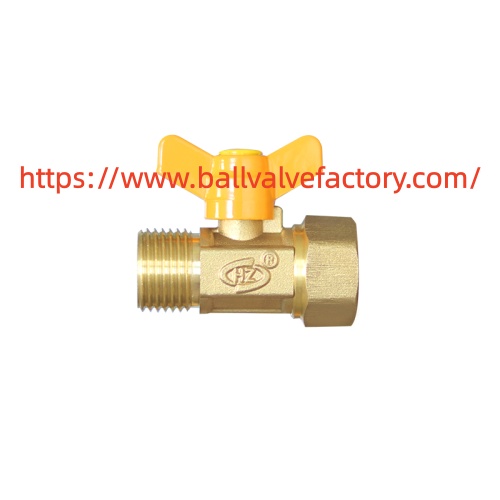
Red Handle Gas Valve selection raises an interesting question for industrial buyers: how much does product appearance matter when choosing equipment for a pipeline system Although external design may seem like a secondary consideration, recognizable operating components can contribute to equipment organization and identification. However, purchasing decisions should also account for material compatibility, internal construction, installation conditions, and maintenance requirements. A suitable product needs to meet the practical demands of its intended application.
In industrial environments, different pipeline components may be installed close to one another. A recognizable handle can help maintenance personnel distinguish equipment during routine inspections. Color identification may also contribute to a more organized equipment layout, especially in facilities where several systems operate within the same area. Nevertheless, color alone cannot communicate every operating instruction. Proper labeling, documented identification procedures, and staff training remain important parts of equipment management.
Material selection is another subject worth examining. The body construction influences how a component responds to its working environment. Different metals and alloys have different characteristics, including mechanical properties, corrosion behavior, machinability, and surface treatment requirements. The appropriate material depends on the application, the surrounding conditions, and the compatibility requirements of the complete installation.
Buyers should also consider how manufacturing processes influence product consistency. Casting, machining, surface preparation, and assembly all contribute to the finished structure. Attention to these processes can help manufacturers maintain consistency between individual products. When comparing suppliers, procurement teams can ask about material traceability, inspection procedures, production management, and available technical documentation.
Internal construction deserves equal attention. A gas control component contains several interacting parts, and their arrangement influences how the assembly operates. The sealing structure, operating mechanism, body design, and connection areas need to work together according to the intended application. Buyers should avoid evaluating equipment based only on exterior appearance because internal construction is equally relevant to product suitability.
Installation compatibility is another important purchasing consideration. Different projects may use different pipeline layouts, connection arrangements, and surrounding equipment. Before ordering, contractors should confirm whether the selected product matches the installation requirements. Available space, connection orientation, accessibility, and maintenance arrangements should all be reviewed during project planning.
The operating experience also matters. An accessible grip and recognizable position can make routine handling easier for authorized personnel. In installations where components are grouped together, practical external design may help reduce confusion during scheduled inspections. However, operation should always follow the manufacturer's instructions and applicable safety procedures. Gas-related equipment should be installed, tested, and maintained by qualified professionals.
Surface finishing contributes to both appearance and environmental suitability. Depending on the installation location, external surfaces may encounter moisture, dust, cleaning materials, or other environmental influences. Buyers should ask whether the selected finishing process is appropriate for the expected conditions. Regular visual inspection can also help identify surface damage, corrosion, or other changes that may require professional assessment.
Maintenance planning should be considered before procurement rather than after installation. Businesses may need to coordinate inspection schedules, replacement arrangements, and access to technical support. A product that can be accessed conveniently within the installation layout may simplify certain maintenance activities. Clear documentation also helps technicians understand product identification and follow the appropriate servicing procedures.
Another useful purchasing approach is to consider the complete supply process. Distributors and engineering contractors often need consistent product information, clear communication, and dependable coordination with manufacturers. Questions about available configurations, manufacturing materials, inspection arrangements, packaging, and delivery coordination can help clarify whether a supplier is suitable for a particular project.
Industrial product design is not simply about creating an attractive exterior. It involves balancing appearance, practical operation, manufacturing requirements, and installation compatibility. A recognizable handle, consistent finishing, and carefully arranged components can contribute to an organized equipment environment. These details may be particularly relevant for businesses managing multiple pipeline sections or preparing equipment for commercial and industrial projects.
Qixiang provides industrial valve products for customers involved in equipment sourcing, distribution, and pipeline projects. Its product range offers options for buyers evaluating construction details, installation needs, and different application requirements. When comparing available products, businesses should consider technical compatibility, material information, operating procedures, and maintenance planning together. Buyers interested in reviewing the company's offerings can visit https://www.ballvalvefactory.com/ o view its product information and identify options for their upcoming industrial purchasing projects.