Why Is Crack in Foundation Repair Important for Homeowners?
Crack in foundation repair is an important part of maintaining a property's condition, protecting its structural components, and preventing moisture from entering vulnerable areas. A foundation supports the weight of a building and transfers that load into the ground, making its condition essential to the stability of the entire structure. Over time, concrete and masonry foundations can experience changes caused by soil movement, temperature variations, water pressure, construction conditions, and natural settling. These factors may contribute to visible openings along foundation walls, basement floors, or exterior concrete surfaces. Some openings are related to ordinary concrete shrinkage, while others may indicate moisture penetration or movement that requires professional evaluation. Homeowners should not assume that every visible line represents a major structural concern, but they should also avoid ignoring changes that become wider, longer, or more noticeable. Crack in foundation repair begins with understanding the type, location, direction, and possible cause of the damage. A suitable inspection can help determine whether sealing, waterproofing, monitoring, or structural work is appropriate. Harringtons Paving provides paving, masonry, concrete repair, and waterproofing services that may be relevant to foundation maintenance. Property owners should arrange an assessment before selecting a repair method so the recommended work addresses the actual condition instead of simply covering the visible area.
What Causes Foundation Cracks in Residential Properties?
Several conditions can contribute to openings in concrete and masonry foundations, and identifying the cause is essential before selecting a repair method. Crack in foundation repair may be necessary because of concrete shrinkage, soil settlement, changes in ground moisture, hydrostatic pressure, inadequate drainage, or construction-related conditions. Concrete naturally changes as it cures, and small shrinkage openings may develop as moisture leaves the material. Soil beneath and around a building can also expand or contract as moisture levels change, potentially affecting the support beneath the structure. Heavy rainfall and water accumulation can increase pressure against below-ground foundation walls, while poor surface drainage may allow moisture to remain close to the building. In other situations, improper compaction during construction or changes to nearby landscaping can influence ground conditions. Homeowners should also consider whether nearby excavation, plumbing leaks, or drainage modifications may have affected the property. Crack in foundation repair should not involve filling an opening without considering these possible causes. A professional assessment can examine the affected surface, surrounding soil conditions, moisture patterns, and visible signs of movement. Understanding why an opening developed helps determine whether a sealing product is suitable or whether the property needs additional drainage improvements, waterproofing, or structural evaluation.
What Are the Early Warning Signs of Foundation Damage?
Recognizing early warning signs can help homeowners arrange an inspection before a foundation concern becomes more difficult to understand or manage. Crack in foundation repair becomes an important consideration when openings appear along basement walls, exterior foundation surfaces, concrete floors, or masonry joints. Other possible signs include water stains, damp basement areas, peeling paint, uneven floors, doors that become difficult to close, and gaps around window or door frames. Some properties may also show changes in wall alignment or separation between connected building materials. These symptoms do not always have the same cause, so homeowners should avoid making a diagnosis based on one observation. For example, a door that sticks may be related to humidity, ordinary building movement, or a separate maintenance issue rather than foundation settlement. Similarly, basement moisture can come from plumbing leaks or condensation instead of water passing through a foundation opening. Crack in foundation repair should be considered when visible damage changes over time or appears alongside other warning signs. Homeowners can take photographs, record approximate measurements, and note when moisture appears to help document the condition. A qualified professional can use this information during an inspection and explain whether the issue requires sealing, waterproofing, monitoring, or a more detailed structural assessment.
How Can You Identify Different Types of Foundation Cracks?
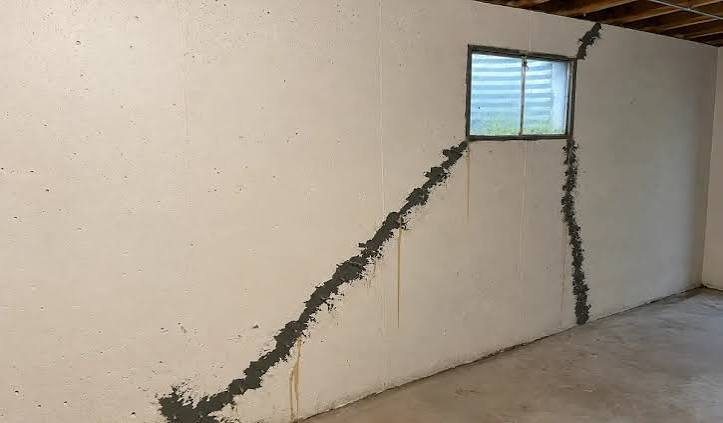
The appearance and location of an opening can provide useful information about the condition of a foundation, although visual inspection alone cannot always establish the cause. Crack in foundation repair may involve vertical, horizontal, diagonal, stair-step, or irregular patterns in concrete and masonry materials. Vertical openings can sometimes develop because of concrete shrinkage or ordinary material movement, but they should still be evaluated if they allow water to enter or become larger. Horizontal patterns may indicate pressure against a foundation wall and deserve particular attention, especially if the wall appears to be moving inward. Diagonal openings can be associated with uneven settlement or changes in support, while stair-step patterns may follow mortar joints in brick or block foundations. The location of the opening is also important because damage near a corner, window, doorway, or wall-floor connection may have different contributing conditions. Crack in foundation repair should therefore be based on more than the direction of the visible line. A professional should examine the surrounding concrete, masonry joints, wall alignment, moisture conditions, and other signs of movement. Property owners should explain when the opening first appeared and whether it has changed. This information helps the contractor understand the history of the problem and recommend an approach that reflects the foundation's actual condition.
Can Small Foundation Cracks Become More Serious Over Time?
A small opening does not automatically mean that a foundation is experiencing serious structural damage, but changes should be monitored so that developing concerns are not overlooked. Crack in foundation repair may become necessary when an opening gradually becomes wider, longer, or associated with water entry and other visible changes. Seasonal temperature differences can cause construction materials to expand and contract, while changing soil moisture may influence the ground supporting a building. Repeated water exposure can also affect vulnerable areas around foundation walls and basement floors. When moisture enters an interior space, it may damage finishes, affect stored belongings, and create conditions that require additional cleaning or maintenance. Homeowners should pay attention to whether the opening remains stable or changes after rainfall, freezing conditions, or periods of dry weather. A simple monitoring record can include photographs taken from the same position, approximate measurements, dates, and notes about any water entry. Crack in foundation repair should be discussed with a professional if an opening changes noticeably, returns after previous treatment, or appears alongside wall movement and uneven floors. Repeatedly applying surface filler without investigating the cause may only hide the visible symptom. A timely inspection can help distinguish between a minor maintenance concern, a moisture problem, and a condition that requires structural attention.
How Does Water Affect Concrete and Masonry Foundations?
Water exposure is an important factor in foundation maintenance because below-ground walls and floors can remain in contact with surrounding soil moisture for long periods. Crack in foundation repair may become necessary when water passes through openings in concrete or masonry and repeatedly affects the same area. Rainfall, groundwater, surface runoff, and poor drainage can expose foundation surfaces to moisture. Water may enter through openings, construction joints, damaged mortar, or locations where protective coatings have deteriorated. Once moisture reaches the interior, homeowners may notice damp patches, staining, peeling finishes, unpleasant odors, or water collecting near the basement floor. These symptoms should be investigated because plumbing leaks and condensation can sometimes produce similar signs. A waterproofing professional can examine the affected area and consider how water is moving around the building. Depending on the findings, the recommended work may involve sealing a suitable opening, improving drainage, applying an appropriate protective system, or arranging additional structural evaluation. Crack in foundation repair should address the source of moisture whenever possible instead of relying only on an interior surface treatment. Harringtons Paving lists waterproofing and masonry repair among its service areas. Property owners can discuss their foundation conditions and determine whether the company's listed services are relevant to the work required.
What Is the Difference Between Foundation Sealing and Structural Repair?
Foundation sealing and structural repair serve different purposes, so homeowners should understand which type of work their property requires. Crack in foundation repair may involve sealing a suitable opening to reduce water entry, but sealing alone does not automatically restore structural stability when a wall is moving or a foundation is settling. Sealing treatments may be considered when moisture penetration is the primary concern and the surrounding structure is suitable for that method. Structural repairs address conditions involving movement, loss of support, or other problems affecting the foundation's ability to perform its role. Depending on the inspection, structural work may involve specialized reinforcement, stabilization, or other methods selected for the building. A surface filler should not be presented as a replacement for structural correction when significant movement is present. Homeowners should ask the contractor to explain whether the proposed work is intended to stop water, seal an opening, improve appearance, or address structural movement. Crack in foundation repair should begin with a clear assessment so the selected service matches the actual concern. If the condition appears structural, a qualified foundation professional or structural engineer may be needed to evaluate the building and recommend an appropriate strategy. Understanding this distinction helps property owners avoid paying for a treatment that does not address the underlying issue.
Which Methods Are Used for Crack in Foundation Repair?
The appropriate repair method depends on the foundation material, location of the damage, moisture conditions, and whether movement is present. Crack in foundation repair may involve compatible sealants, injection materials, surface preparation, waterproofing membranes, or more extensive structural methods when required. Epoxy injection is sometimes used for suitable concrete openings when bonding and restoring continuity are part of the repair objective. Polyurethane injection may be considered in certain waterproofing situations where water penetration needs to be addressed. Surface-applied sealants can also be useful for specific minor openings when the surrounding material and conditions allow. These methods are not interchangeable, and selecting the wrong product can lead to recurring moisture or an unsuitable repair. Some foundations may also need drainage improvements or exterior waterproofing to reduce water exposure around the structure. Crack in foundation repair should therefore be based on an inspection rather than a one-size-fits-all approach. Contractors should explain the preparation, materials, application process, intended result, and limitations of the selected method. Homeowners should ask whether the proposed treatment addresses the source of the problem or only the visible opening. A clear explanation helps property owners compare estimates and understand why one repair approach may be more appropriate than another for their particular foundation.
How Does Epoxy Injection Work for Concrete Foundation Repairs?
Epoxy injection is a specialized method that may be appropriate for certain openings in concrete when the objective is to bond the affected material and restore continuity across the repair area. Crack in foundation repair using epoxy generally involves inspecting the opening, preparing the surface, installing suitable injection ports, and applying the selected material according to the product requirements. The repair professional must determine whether the concrete condition and opening characteristics are appropriate for epoxy before beginning. Epoxy is not automatically suitable for every foundation problem, particularly when water is actively entering, the opening is moving, or the surrounding wall has structural concerns that require another approach. Surface preparation is important because loose material, contamination, or unsuitable conditions can interfere with the repair. Once the material is applied and allowed to cure according to the manufacturer's instructions, the contractor can complete the required finishing work and explain any follow-up recommendations. Crack in foundation repair with epoxy should be considered only after the cause and condition of the opening have been evaluated. Homeowners should ask whether the method is intended for structural bonding, moisture control, or another specific purpose. Understanding these details helps prevent confusion between a specialized injection repair and a simple surface patch. A professional should also explain the limitations of the selected product and whether additional work is needed elsewhere on the foundation.
When Is Polyurethane Injection Used for Foundation Repairs?
Polyurethane injection may be considered for certain foundation openings where water penetration is a primary concern and the selected product is suitable for the conditions. Crack in foundation repair using polyurethane generally involves identifying the entry point, preparing the affected area, installing injection ports when required, and introducing the material into the opening. Some polyurethane products react with moisture and expand to help fill suitable pathways through which water is entering. This can make the method useful in certain waterproofing situations, but it should not be assumed to solve every structural concern. If a foundation wall is moving, bowing, or showing significant structural distress, additional assessment may be necessary before choosing an injection treatment. Contractors should evaluate the opening, surrounding concrete, source of water, and compatibility of the proposed material with the project. Crack in foundation repair should be planned according to the intended result because stopping water entry and restoring structural capacity are not always the same objective. Homeowners should ask how the product will be applied, what conditions it requires, and what limitations apply after installation. Understanding the difference between polyurethane and other repair materials helps property owners discuss suitable options with a professional instead of selecting a method based only on its name or advertising claims.
Why Is Exterior Waterproofing Important During Foundation Repair?
Exterior waterproofing may be an important part of a foundation repair plan when moisture is entering through below-ground walls or when surrounding conditions contribute to repeated water exposure. Crack in foundation repair can involve more than treating the visible opening because water may continue to reach the same area through surrounding soil or nearby vulnerable surfaces. Exterior waterproofing generally focuses on preparing suitable foundation surfaces and applying compatible protective materials that help reduce water penetration. Depending on the property, the work may require excavation, cleaning, repairs to suitable openings, installation of a membrane or coating, and attention to drainage components. The exact process depends on the foundation material, soil conditions, accessibility, and source of moisture. Exterior protection should not be confused with structural stabilization because these services address different concerns. Crack in foundation repair may need to be coordinated with waterproofing when moisture has contributed to deterioration or when water entry continues after an earlier repair. Property owners should ask the contractor whether exterior work is necessary and how the site will be restored after excavation. Harringtons Paving describes foundation waterproofing as one of its services. Customers can review the company's service information and discuss their specific property conditions before deciding whether the available work is appropriate.
How Can Poor Drainage Contribute to Foundation Damage?
Poor drainage can increase the amount of water that collects near a building and may contribute to moisture problems around the foundation. Crack in foundation repair may become necessary when repeated water exposure affects vulnerable surfaces or when changing soil conditions influence the support beneath the structure. Downspouts that discharge close to the building, ground that slopes toward foundation walls, blocked drainage paths, and low areas near the property can all contribute to water collection. During heavy rainfall, these conditions may allow more water to remain around the foundation than the surrounding ground can manage. A waterproofing treatment may not provide a complete solution if the drainage conditions responsible for repeated exposure remain unchanged. Contractors should consider roof runoff, surface grading, drainage outlets, and surrounding landscaping when evaluating foundation concerns. Crack in foundation repair should include attention to water management whenever moisture is part of the problem. Property owners may need to adjust suitable grading, improve downspout discharge, or consider other drainage measures depending on the site. Changes should be planned carefully so that runoff is not redirected toward neighboring properties or other structures. Addressing drainage can support foundation protection and reduce the likelihood of recurring moisture-related concerns. A professional inspection can help determine which improvements are practical for the property's layout and existing drainage arrangements.
What Should Homeowners Expect During a Foundation Inspection?
A professional foundation inspection helps determine the condition of the affected area and identify the type of work that may be required. Crack in foundation repair should begin with an examination of the visible opening, surrounding concrete or masonry, wall alignment, nearby floor surfaces, and possible moisture entry points. The professional may ask when the opening first appeared, whether it has changed, whether water enters during rainfall, and whether previous repairs have been completed. Exterior conditions such as grading, downspouts, soil movement, and drainage arrangements may also be reviewed. If there are signs of significant movement, the inspector may recommend further evaluation by a structural specialist. Photographs and measurements can help document the current condition and provide a reference for future monitoring. Crack in foundation repair estimates should explain the recommended method, the area included, preparation requirements, materials, and any additional work that may be necessary. Homeowners should ask questions if the cause or purpose of the proposed treatment is unclear. A useful inspection should distinguish between confirmed observations and possible explanations that need further investigation. This makes it easier to understand the condition of the property and compare repair options without relying on assumptions or generic recommendations.
How Much Does Foundation Crack Repair Cost?
The cost of crack in foundation repair depends on the size and location of the affected area, foundation material, access conditions, moisture exposure, and the repair method selected. A small opening that needs suitable sealing may require a different amount of work from a foundation wall that needs excavation, waterproofing, or structural stabilization. The number of affected areas and the condition of surrounding materials can also influence labor and material requirements. If drainage improvements or additional repairs are necessary, the overall project scope may increase. Homeowners should request a written estimate that explains what the contractor plans to do and which services are included. The estimate should identify preparation, repair materials, labor, cleanup, and any additional work that may be priced separately. Crack in foundation repair should not be evaluated by price alone because a low quotation may exclude necessary investigation or preparation. Comparing detailed estimates helps property owners understand whether contractors are proposing the same type of work. Customers should also ask about material limitations, maintenance requirements, and any written warranty terms. A site inspection is the best starting point for a meaningful estimate because the cost cannot be accurately determined from a keyword, photograph, or general description alone. A clear quotation helps customers understand the expected work before making a financial commitment.
Can Foundation Damage Affect Basement Walls and Floors?
Foundation openings can affect basement walls and floors when they allow moisture to enter or are connected to movement in the surrounding structure. Crack in foundation repair may be required when water appears along wall surfaces, at floor-wall joints, or around other vulnerable basement areas. Moisture can affect paint, flooring, stored belongings, and certain interior finishes, while recurring dampness may create unpleasant indoor conditions. In some situations, openings may also be associated with settlement or changes in wall alignment, which require more than a waterproofing treatment. Homeowners should pay attention to the location of the damage and whether it changes after rainfall or seasonal temperature shifts. A basement floor opening may have different causes from an opening in a vertical foundation wall, so the repair method should reflect the actual condition. Crack in foundation repair should involve checking for water entry, surface deterioration, and possible structural movement. If there are signs of significant displacement or an unstable wall, the property owner should seek an appropriate structural assessment. A professional can help determine whether the basement needs sealing, drainage improvements, waterproofing, structural work, or a combination of services. Addressing the cause helps protect the usable condition of the basement and surrounding building materials.
How Can Homeowners Help Prevent Future Foundation Problems?
Preventive maintenance can help property owners identify conditions that may contribute to foundation problems before they become more difficult to manage. Crack in foundation repair is sometimes connected to recurring moisture exposure, poor drainage, soil movement, or maintenance issues around the building. Homeowners can regularly inspect visible foundation surfaces, keep suitable drainage paths clear, and check that downspouts discharge water away from the immediate foundation area. Landscaping should be planned so that water does not collect against exterior walls, and changes to soil levels should be made carefully. Plumbing leaks should also be addressed because hidden water can affect soil conditions and create moisture concerns around the building. Property owners should monitor existing openings and record any noticeable changes rather than relying on memory. Crack in foundation repair may be easier to plan when changes are identified early and the affected area remains accessible. However, preventive steps cannot eliminate every possible cause because soil conditions, weather, building design, and construction history also play a role. A periodic professional review may be useful when a property has a history of water entry or foundation movement. Combining sensible drainage maintenance with timely inspections can support the long-term care of the building and help homeowners make informed decisions about future maintenance.
Why Should You Avoid Delaying Foundation Repairs?
Ignoring visible foundation damage can allow an underlying issue to continue without proper assessment. Crack in foundation repair should not be delayed when an opening is expanding, water is entering, or other signs of movement appear around the building. Even when an opening seems small, it may be useful to understand whether it is related to ordinary concrete shrinkage, moisture penetration, or a change in structural support. Covering the visible area with paint or filler may improve its appearance temporarily, but it does not necessarily address the cause. Recurring water entry can affect interior finishes and stored items, while structural movement may require specialist attention. Homeowners should also avoid attempting repairs that involve structural components without understanding the condition of the foundation. Crack in foundation repair should be approached with an inspection and a method that matches the type of damage. If the issue is limited to a suitable moisture pathway, sealing or waterproofing may be considered. If there are signs of significant movement, a qualified structural professional should evaluate the building. Acting responsibly helps property owners understand the seriousness of the condition and decide what work is needed instead of allowing uncertainty to delay appropriate attention.
What Questions Should You Ask a Foundation Repair Contractor?
Asking clear questions can help homeowners understand the repair process and determine whether the proposed service matches their property's needs. Crack in foundation repair contractors should be able to explain what they observed, what they believe caused the damage, and why the recommended method is appropriate. Property owners should ask whether the work is intended to stop water entry, seal an opening, restore structural capacity, or address another concern. It is also useful to ask what preparation is required, which materials will be used, how the work will be completed, and whether additional drainage or waterproofing measures are recommended. The estimate should clearly identify the affected areas, included services, exclusions, and possible additional costs. Homeowners should ask whether the contractor has experience with similar foundation materials and whether any part of the project requires a structural engineer or another specialist. Crack in foundation repair should also include a discussion of follow-up care and any warranty terms that apply. Customers should request written information rather than relying only on verbal explanations. A contractor who communicates clearly can help property owners understand the project scope, compare available options, and make a more informed decision about the work being proposed.
How Do Foundation Repair and Waterproofing Work Together?
Foundation repair and waterproofing can sometimes be connected because the same property may have structural concerns, moisture entry, and deteriorating exterior materials. Crack in foundation repair may require a coordinated approach when water passes through an opening in a concrete or masonry wall and affects nearby surfaces. Waterproofing focuses on managing moisture and reducing water penetration, while structural foundation work addresses movement or other conditions affecting the building's support. These services should be selected according to the problem rather than automatically combined into every project. For example, a suitable opening may need sealing and moisture protection, while a wall with significant movement may require specialist evaluation before waterproofing is completed. Masonry repairs may also be necessary when mortar joints or surrounding materials have deteriorated. Harringtons Paving lists waterproofing, masonry repair, and concrete repair among its services. Its service information discusses preparing and sealing affected areas as part of its waterproofing work. Crack in foundation repair customers can discuss the visible condition of their property with the company and ask which listed services may be relevant. A clear assessment can help determine whether the project requires one repair method or several coordinated improvements. Understanding how these services differ makes it easier to plan work that addresses both moisture concerns and the condition of the surrounding building materials.
Why Is Proper Preparation Important Before Foundation Repair?
Preparation is an important part of any foundation repair project because the selected material or system needs suitable conditions to perform as intended. Crack in foundation repair may involve cleaning the affected area, removing loose material, preparing the surface, identifying suitable injection points, or addressing surrounding deterioration before the main treatment begins. If a surface is dirty, unstable, or unsuitable for the selected material, the finished repair may not bond or perform as expected. Preparation can also involve arranging access, protecting nearby property features, and considering how excavation or interior work may affect the building. The exact requirements depend on the repair system, foundation material, and manufacturer's instructions. Contractors should explain which preparation steps are included in the estimate and whether additional work may be necessary. Homeowners should not assume that applying a repair product is the only important part of the process. Crack in foundation repair should include assessment, preparation, appropriate installation, and suitable finishing. Harringtons Paving describes checking vulnerable areas and preparing surfaces as part of its waterproofing services. Customers can ask about the preparation process, proposed materials, and project limitations before approving the work. Understanding these steps helps property owners recognize why proper preparation matters and what to expect during the project.
Can Foundation Repairs Improve Basement Usability?
A properly maintained foundation can support a basement that is more comfortable and easier to use for suitable household purposes. Crack in foundation repair may help address a specific opening that allows water to enter, while related waterproofing or drainage improvements may help manage moisture around the affected area. Damp walls, water stains, unpleasant odors, and damaged finishes can make basement spaces less practical for storage or everyday activities. However, not every basement moisture concern is caused by foundation damage. Condensation, indoor humidity, and plumbing leaks can produce similar symptoms and may require different solutions. Homeowners should identify the source before deciding which repair is appropriate. A contractor can inspect the affected wall or floor and explain whether sealing, waterproofing, drainage improvements, or another service is needed. Crack in foundation repair should not be treated as a complete solution for every indoor moisture concern. If visible mold is present, it may require suitable assessment and remediation rather than simply applying a waterproof coating. A coordinated approach can involve moisture-source investigation, suitable foundation work, and indoor humidity management. Property owners should follow the recommendations provided for their particular building and avoid assuming that one repair method will resolve every condition affecting the basement.
What Makes a Foundation Repair Estimate Clear and Reliable?
A clear estimate helps homeowners understand the proposed work, compare contractors, and plan the project with fewer misunderstandings. Crack in foundation repair estimates should identify the affected area, the observed condition, the recommended repair method, and the purpose of the proposed treatment. The document should explain whether the work is intended to seal a moisture pathway, apply waterproofing, or address a structural concern. It should also describe surface preparation, materials, labor, access requirements, cleanup, and any additional services that may be necessary. If excavation, drainage modifications, or specialist assessments are excluded, those details should be made clear before the project begins. Homeowners should ask whether the estimate includes all visible affected areas or only a specific section of the foundation. Crack in foundation repair should be evaluated by considering the full project scope rather than comparing total prices without understanding what each contractor includes. Customers should also ask about expected maintenance, product limitations, and written warranty terms where available. A reliable estimate does not need to promise that every future problem will be eliminated. Instead, it should explain the work being offered and the conditions that may affect its performance. Reviewing these details helps property owners make decisions based on the actual requirements of the building.
How Can You Get Started with Crack in Foundation Repair?
Getting started with foundation repair begins with documenting the visible condition and arranging an appropriate professional assessment. Crack in foundation repair is easier to discuss when homeowners can explain where the opening appears, approximately when it developed, and whether it has changed over time. Photographs taken from consistent positions can help show changes, while notes about water entry after rainfall may provide useful information about moisture conditions. Property owners should also mention previous repairs, drainage changes, and any other symptoms such as uneven floors or doors that have become difficult to operate. During the inspection, the contractor should explain the likely cause, the recommended repair method, and whether additional specialist evaluation is needed. Homeowners should review the written estimate carefully and ask about preparation, materials, access, cleanup, and maintenance. Crack in foundation repair should never be treated as a purely cosmetic task when the condition may involve water entry or structural movement. Harringtons Paving lists concrete repair, masonry repair, and waterproofing among its services for properties in its published Hillsborough, New Jersey service area. Property owners can contact Harringtons Paving to discuss their requirements, confirm current service availability, and request an assessment before deciding on the next step.
Why Is Long-Term Foundation Maintenance Important?
Long-term foundation maintenance helps property owners stay informed about the condition of their buildings and respond to developing concerns before they become more complicated. Crack in foundation repair is one part of a wider maintenance approach that may include drainage management, moisture protection, masonry care, and periodic inspection of visible foundation surfaces. A building's foundation remains exposed to environmental conditions, soil changes, water movement, and the weight of the structure above it. These factors make ongoing observation important even after a repair has been completed. Homeowners should follow the contractor's recommendations about monitoring, drainage maintenance, and care of repaired surfaces. If new openings appear or an existing repair changes, the area should be evaluated rather than covered without investigation. Crack in foundation repair can help address a specific concern, but the long-term condition of the building also depends on suitable drainage, construction details, and maintenance practices. Property owners should keep records of completed work, including repair descriptions, materials, dates, and any warranty information. These records can be useful during future inspections or property improvements. For professional guidance on related concrete, masonry, and waterproofing needs, homeowners can review the services offered by Harringtons Paving and contact the company to discuss their project requirements and confirm whether the required work is available in their area.