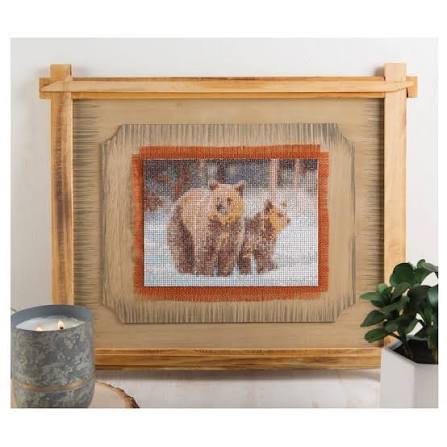
What Is Diamond Art Animals and Why Is It So Popular?
Diamond Art Animals is a creative craft that allows animal lovers to transform colorful printed designs into sparkling artwork using small resin drills. The process involves placing tiny pieces onto an adhesive canvas according to a printed color-coded pattern. Each symbol represents a particular shade, and gradually filling these spaces creates an image of an animal or wildlife scene. Diamond Art Animals has become popular because it combines an enjoyable hands-on activity with the beauty of animal-inspired artwork. People can explore designs featuring dogs, cats, horses, lions, elephants, birds, butterflies, fish, and many other creatures. Some pictures are realistic portraits, while others use bright colors, decorative backgrounds, or imaginative artistic styles. The activity does not require professional drawing or painting experience because the canvas already contains the design and placement instructions. This makes it approachable for beginners while still offering detailed projects for experienced crafters. The finished artwork can become a decorative feature, a handmade gift, or part of a personal collection. Whether someone appreciates domestic pets or enjoys exploring wildlife themes, Diamond Art Animals offers many creative subjects to enjoy.
Which Animal Designs Can You Explore in Diamond Art Animals?
One of the most enjoyable aspects of Diamond Art Animals is the wide variety of subjects available. Domestic animal designs commonly include cats, dogs, rabbits, guinea pigs, and horses, while wildlife pictures may feature lions, tigers, wolves, foxes, elephants, bears, and deer. Bird illustrations can include parrots, owls, eagles, peacocks, and colorful songbirds. Marine animal artwork may show dolphins, whales, sea turtles, and tropical fish surrounded by underwater scenery. Some designs focus on a single animal, while others combine several creatures in a natural environment. Farm animal pictures may feature cows, sheep, chickens, and horses, creating a countryside-inspired appearance. Diamond Art Animals also includes fantasy-inspired illustrations and stylized animal characters for people who prefer imaginative designs rather than realistic portraits. When choosing a subject, consider whether you prefer a close-up animal face, a full-body illustration, or a detailed landscape. Your favorite animal, preferred color palette, and intended display location can all help determine which design will be most enjoyable to complete.
Why Do People Enjoy Creating Animal Diamond Art?
Diamond Art Animals appeals to people because it combines visual creativity with a simple, structured crafting process. Every project begins with a printed image, but the final artwork develops through the crafter's individual effort and attention. Placing each small drill requires patience, and watching the picture gradually appear can make the experience satisfying. Animal subjects add another layer of interest because many people already have favorite creatures or enjoy learning about wildlife. A dog portrait may remind someone of a beloved companion, while a picture of an elephant or tiger may reflect an appreciation for nature. Colorful birds and butterflies can offer bright decorative artwork, whereas woodland animals may create a calmer visual theme. Diamond Art Animals also allows people to choose projects according to their available time and experience. Smaller canvases may be suitable for beginners, while larger pictures can provide more detail for people who enjoy longer crafting projects. The finished artwork can be displayed at home, given as a gift, or saved as part of a collection. This combination of choice, creativity, and animal-inspired designs helps make the hobby enjoyable.
How Does the Diamond Art Animals Process Work?
The Diamond Art Animals process begins with a printed adhesive canvas containing a picture divided into small sections. Each section includes a symbol that corresponds to a particular drill color shown in the canvas key. The kit usually contains resin drills, an applicator pen, a tray, and wax or another pickup material. The crafter pours a small number of drills into the tray, identifies the required color, and uses the applicator pen to pick up individual pieces. Each drill is placed on its matching symbol until the selected section is complete. This process is repeated across the canvas, gradually transforming the printed pattern into a sparkling animal image. Diamond Art Animals can be completed over several sessions, so there is no need to finish the entire picture at once. Some people prefer working one color at a time, while others complete small sections in rows. Both methods can be effective when the symbols are followed carefully. Once all the drills have been placed, the artwork can be checked for empty spaces and uneven pieces before being prepared for display. Understanding the basic process before starting makes the activity easier to manage.
How Can Beginners Choose Their First Diamond Art Animals Project?
Choosing a suitable first project can make Diamond Art Animals easier and more enjoyable for beginners. A smaller canvas with a clear animal image and a manageable number of colors can help someone understand the placement process without becoming overwhelmed. Simple designs featuring a single animal or a bold silhouette may be easier to complete than complicated scenes with several creatures and detailed backgrounds. Round drills can also be a comfortable starting option because their placement is generally more forgiving of small alignment differences. Before purchasing a kit, check its dimensions, drill shape, color count, and included accessories. It is helpful to examine the design preview carefully and make sure the animal remains recognizable at the advertised size. Diamond Art Animals should match the amount of time you can comfortably dedicate to crafting. Someone with limited free time may prefer a compact project, while a person who enjoys longer creative sessions may choose a larger picture. Starting with a manageable canvas helps build confidence and gives beginners an opportunity to develop a consistent working method before moving on to more detailed designs.
What Is the Difference Between Round and Square Drills?
Diamond Art Animals kits commonly use round or square resin drills, and each shape creates a different appearance. Round drills have curved edges and are often easier for beginners to place because slight alignment differences may be less noticeable. Small spaces can remain between neighboring round drills, giving the completed picture a dotted appearance. Square drills have straight edges and fit closely together when positioned correctly, producing a more continuous mosaic finish. This can create crisp-looking patterns, especially in detailed animal faces and areas with gradual color changes. However, square drills generally require more careful alignment because uneven rows may become noticeable. Neither shape is automatically better for every design. Round drills may be suitable for someone who prefers an easier introduction, while square drills may appeal to people who enjoy precise placement. Diamond Art Animals can look attractive in either format depending on the image, canvas dimensions, and color arrangement. Before choosing a kit, review the product details to confirm which drill shape is included. Selecting a format that matches your experience and preferences can make the project more enjoyable.
How Does Canvas Size Affect Diamond Art Animals Details?
Canvas size can influence how much detail is visible in Diamond Art Animals because each drill occupies a small position within the design. A smaller canvas may work well for a simple animal illustration with broad areas of color, but it may not provide enough space for every small facial feature in a complex portrait. Larger canvases generally offer more positions for representing eyes, fur patterns, feathers, scales, and background details. For example, a close-up image of a tiger may need sufficient space to show its distinctive markings, while a colorful bird may benefit from additional room for feather patterns. However, a larger canvas also contains more drills and can take longer to complete. Diamond Art Animals should therefore be selected according to the level of detail you prefer, the time available, and the space where the finished artwork may be displayed. Before ordering, compare the canvas dimensions with the design preview and consider whether the main animal will remain clear at the selected size. A balanced choice can provide an attractive finished picture without making the project unnecessarily demanding.
Why Are Cats and Dogs Popular Diamond Art Animals Subjects?
Cats and dogs are among the most familiar subjects in Diamond Art Animals because they are popular companion animals with recognizable expressions and appearances. Cat designs may focus on bright eyes, whiskers, distinctive coat patterns, and relaxed poses. Dog portraits often highlight ears, noses, facial markings, and the different textures suggested by their coats. Some pictures show a single pet against a simple background, while others feature several animals together in playful scenes. People may choose these designs because they appreciate animals or want artwork that reflects their personal interests. A portrait of a specific pet can also hold special meaning when the image represents a familiar companion. Diamond Art Animals featuring cats and dogs can be found in realistic, cartoon-inspired, decorative, and colorful artistic styles. When selecting a design, consider whether you prefer a close-up face or a full-body image. Detailed portraits may benefit from a larger canvas, while simpler illustrations can work well at smaller dimensions. Choosing a picture that captures the animal's personality can make the crafting experience more meaningful.
What Makes Wildlife Diamond Art Animals Designs Special?
Wildlife designs bring a different visual experience to Diamond Art Animals because they feature creatures in natural environments and distinctive habitats. Lions, tigers, elephants, wolves, deer, bears, and foxes are common subjects in wildlife-inspired artwork. Some designs focus on an animal's face, emphasizing its expression and markings, while others show the creature within a forest, mountain, grassland, or river setting. These backgrounds can add depth and create a complete decorative scene. Wildlife artwork may use natural colors such as greens, browns, grays, and golden tones, while other designs use bright artistic interpretations. Diamond Art Animals featuring wild creatures can appeal to people who enjoy nature, photography, and animal illustrations. When choosing a wildlife picture, consider how much of the canvas is occupied by the main subject and whether the background adds to the composition. A large landscape may require more time than a simple portrait, but it can also provide more opportunities to explore different colors. Selecting a subject you genuinely appreciate can make the finished artwork especially satisfying.
How Can Bird and Butterfly Designs Add Color to Diamond Art Animals?
Birds and butterflies are attractive subjects in Diamond Art Animals because their natural colors and patterns provide many opportunities for creative artwork. Parrots may feature bright greens, blues, reds, and yellows, while peacocks are often recognized for their decorative feathers and contrasting shades. Owls and eagles offer different visual styles, with detailed eyes and distinctive feather arrangements. Butterflies can bring symmetrical patterns and colorful wings into a design, making them suitable for both simple illustrations and elaborate compositions. Some pictures show a single bird or butterfly against a plain background, while others include flowers, branches, and garden scenery. Diamond Art Animals featuring these creatures can complement decorative spaces where bright artwork is preferred. The color guide helps crafters place each shade in the correct position, and the reflective drills can make the finished image catch light from different angles. When choosing a design, consider whether you prefer realistic natural colors or imaginative combinations. A clear preview can help you understand the overall pattern and decide whether the artwork matches your personal style.
What Makes Marine Diamond Art Animals Designs Interesting?
Marine subjects add variety to Diamond Art Animals by featuring creatures that live in oceans, rivers, and other aquatic environments. Dolphins, whales, sea turtles, tropical fish, and colorful underwater animals can create attractive pictures with different shades of blue, green, turquoise, and other bright colors. Some designs show a single creature swimming through water, while others feature coral reefs, underwater plants, and several species in one composition. The background can play an important role because water patterns and light effects help create the appearance of an underwater scene. Diamond Art Animals featuring marine life may appeal to people who enjoy ocean themes and aquatic photography. Before choosing a kit, check the canvas dimensions and the amount of detail in the design. A picture containing several small fish may need enough space to keep each creature distinguishable. Larger underwater scenes can involve many color changes, so they may take longer to complete. Choosing a design with a clear focal point can help create a balanced finished picture that displays beautifully.
How Can Farm Animal Diamond Art Animals Create a Countryside Theme?
Farm animal designs offer a warm and familiar style within Diamond Art Animals. Pictures may feature cows, horses, sheep, chickens, goats, and other animals associated with rural environments. Some designs focus on one animal, such as a close-up portrait of a cow, while others show a group in a farmyard or green pasture. Background elements such as barns, fences, flowers, and fields can make the artwork feel more like a complete countryside scene. These designs may use natural shades of brown, green, cream, and blue, although decorative illustrations can include brighter colors. Diamond Art Animals featuring farm subjects can be suitable for people who enjoy rural scenery or animal illustrations with a relaxed appearance. When selecting a picture, consider whether you want the animal to be the main focus or prefer a wider scene with several details. A simpler portrait may be easier to complete, while a landscape can provide a more involved project. The best choice depends on the level of detail you enjoy and the amount of time you want to spend crafting.
How Can You Organize Diamond Art Animals Supplies Before Starting?
Organizing supplies before beginning Diamond Art Animals can make the project easier to manage and reduce interruptions. Start by placing the canvas on a clean, flat surface and checking the color key supplied with the kit. Compare the drill packets with the symbols printed on the canvas and make sure every label is readable. Small resealable bags or compartment boxes can be used to keep colors separate. If you transfer drills into another container, label it immediately with the correct code. This is especially useful for detailed animal portraits that contain many similar shades of brown, gray, cream, and black. Keep the applicator pen, tray, wax, and tweezers together so they are easy to find. Only pour a small number of drills into the tray at a time, then return unused pieces to their proper container before changing colors. Diamond Art Animals may take several sessions to complete, so an organized storage system makes it easier to continue later. Store all materials in a dry, clean location away from dust, moisture, and young children.
What Workspace Is Best for Diamond Art Animals?
A comfortable workspace can improve the Diamond Art Animals experience by making small symbols and drills easier to handle. Choose a flat table or desk with enough room for the canvas, color packets, tray, applicator pen, and storage containers. Good lighting is important because some printed symbols may be difficult to distinguish when the room is dark. A suitable desk lamp can help illuminate the canvas without creating uncomfortable glare. Before starting, remove loose fibers, dust, and other materials from the surface because they may stick to the adhesive canvas. Keep drinks away from the project to reduce the risk of accidental spills. If the canvas is large, make sure it can rest securely without hanging over the table's edge. Diamond Art Animals can involve many small pieces, so a stable surface makes placement easier. A comfortable chair and a suitable working height can also help during longer sessions. If pets are present in the home, consider using a clean area where loose hair is less likely to collect on the exposed adhesive. Preparing the workspace before each session allows you to focus on the artwork.
How Can You Follow the Color Symbols Correctly?
The printed symbols on a Diamond Art Animals canvas provide the information needed to place each drill in its correct position. Every symbol corresponds to a color listed in the canvas key, so it is important to check the key before selecting a packet. Some symbols may look similar, particularly when printed in small sizes or surrounded by many other colors. Good lighting can make them easier to read, and a magnifying tool may be useful when working on very detailed areas. It is generally easier to uncover one small section at a time rather than exposing the entire adhesive canvas. This protects unused areas while allowing you to focus on a manageable part of the design. When switching colors, compare the packet label with the printed symbol before placing the drills. Diamond Art Animals may include tiny details around eyes, ears, paws, feathers, and scales where correct placement is especially important. If you notice a drill in the wrong position, remove it gently with a suitable tool and replace it with the correct color. Checking symbols carefully can help maintain the intended design.
What Techniques Help You Place Drills Neatly?
Neat placement can improve the overall appearance of Diamond Art Animals and make the finished image look more consistent. Working in small sections is a useful technique because it keeps the exposed adhesive manageable and helps you concentrate on a limited area. Some crafters prefer completing one color at a time, while others work through the design row by row. Both approaches can be effective when the canvas symbols are followed carefully. A tray can help arrange drills so they are easier to pick up with the applicator pen. A small amount of suitable wax or pickup material helps the pen hold each drill during placement. Square drills may need more careful alignment because their edges are designed to sit close together, while round drills can be more forgiving of slight differences. Diamond Art Animals with detailed faces may benefit from individual drill placement around the eyes and nose, even if a multi-placer tool is used for larger areas of the same color. Avoid rushing through a section simply to finish it quickly. Checking completed rows and correcting small mistakes early can help maintain a tidy result.
How Can You Avoid Common Diamond Art Animals Mistakes?
Several common mistakes can affect Diamond Art Animals, but careful preparation can help prevent many of them. One frequent problem is removing too much of the protective film and leaving unused adhesive exposed to dust or loose fibers. It is better to uncover only the section being worked on and keep the remaining canvas covered. Another issue occurs when drill packets become mixed, making it difficult to identify the correct color. Labeling storage containers and checking the color key before changing packets can reduce this risk. Poor lighting may also cause mistakes when symbols look similar. A comfortable light source can make the pattern easier to read. Placing drills too quickly may lead to uneven rows or incorrect positions, especially with square drills. Diamond Art Animals should be completed at a pace that allows you to check the work regularly. If a drill is misplaced, remove it gently rather than pressing harder in an attempt to correct it. Taking breaks when your eyes or hands feel tired can also help maintain concentration. A calm working method makes the project more enjoyable and helps protect the finished design.
How Long Does It Take to Finish Diamond Art Animals?
The time needed to complete Diamond Art Animals depends on canvas size, design complexity, drill coverage, number of colors, and the crafter's working speed. A small picture with simple shapes may take much less time than a large wildlife scene containing several animals and detailed backgrounds. Full-drill designs cover the canvas with drills, while partial-drill designs focus on selected areas and leave some of the printed background visible. The number of sessions also depends on how much time someone can comfortably dedicate to crafting. Some people work for short periods during the week, while others prefer longer sessions on weekends. Diamond Art Animals does not need to be completed in one sitting, and taking breaks can help keep the activity enjoyable. Before selecting a project, consider whether you want a quick craft or a longer creative experience. The product description may provide details about dimensions and drill quantity, which can help you estimate the workload. Actual completion times vary, so it is better to choose a project based on your available time rather than expecting a fixed deadline.
Can Diamond Art Animals Become Beautiful Home Decorations?
Completed Diamond Art Animals pictures can become decorative features in different rooms. A colorful bird design may complement a bright living area, while a wolf or deer portrait may suit a nature-inspired room. Cat and dog pictures can add a personal touch to bedrooms, hallways, or spaces where pet photographs are already displayed. A suitable frame can provide a neat border and make the finished canvas easier to hang. Some people prefer a simple frame that keeps attention on the artwork, while others choose a decorative border that matches their furniture and room colors. Several small designs can also be arranged together to create a themed display featuring different animal species. Diamond Art Animals may look attractive when displayed as part of a collection, but it is important to choose a location where the artwork is protected from excessive moisture, direct sunlight, and accidental scratches. Before framing, check the canvas for missing drills and follow the kit's finishing recommendations. A thoughtfully selected display location can help the finished picture become a lasting part of the home's decoration.
How Can Diamond Art Animals Make Thoughtful Handmade Gifts?
Diamond Art Animals can make thoughtful gifts for people who appreciate animals, crafts, and decorative artwork. A picture of someone's favorite animal may be more meaningful than a general gift because it reflects an interest or personal connection. Cat lovers may enjoy a feline portrait, while someone interested in wildlife may appreciate an elephant, wolf, or bird design. A finished canvas can be presented as a handmade decoration, while an unopened kit can be suitable for someone who enjoys completing craft projects personally. When selecting a gift, consider the recipient's experience level and the amount of time they may want to spend on the activity. A smaller design may be suitable for a beginner, while a larger picture may appeal to someone who enjoys detailed projects. Diamond Art Animals can also be chosen according to room decoration preferences and favorite colors. A suitable frame or a personal message can make the finished artwork feel more special. Selecting a subject that reflects the recipient's interests helps make the gift thoughtful and memorable.
How Should You Finish and Protect Diamond Art Animals Artwork?
After completing the final section, Diamond Art Animals artwork should be checked carefully before framing or storage. Look for empty positions, misplaced colors, and drills that may not be sitting evenly. Correct any small issues gently so that nearby pieces are not disturbed. Follow the instructions provided with the kit because different canvas materials and adhesives may have different finishing recommendations. Some crafters use a compatible sealant, while others prefer to frame the artwork without applying an additional coating. If you are considering a sealant, check that it is suitable for the particular drills and canvas because some coatings may change the reflective appearance. A properly sized frame can help protect the finished picture and provide a clean border. Avoid pressing the frame too tightly against the raised drills. Diamond Art Animals should be handled carefully during framing because loose pieces may become displaced if the canvas is bent or roughly moved. Keep the completed artwork away from excessive moisture and direct sunlight. Taking care during the finishing process can help preserve the picture and prepare it for display.
How Can You Store an Unfinished Diamond Art Animals Project?
An unfinished Diamond Art Animals canvas needs protection between sessions to keep the adhesive surface clean. Leave the protective film over sections that have not been completed and avoid exposing more of the canvas than necessary. Dust, lint, and loose fibers can collect on the adhesive and make drill placement difficult. Store the canvas flat whenever possible and avoid folding it because bending may affect the surface or disturb placed drills. Keep unused colors in labeled bags or storage containers and close them securely after each session. Place the applicator pen, tray, and other tools together so they are easy to find when you return to the project. If the picture is large, consider using a clean storage folder or another suitable method that keeps it protected without putting pressure on the drills. Diamond Art Animals projects may take several weeks to complete, so a regular storage routine can make it easier to continue from the correct section. Choose a dry location away from direct sunlight, moisture, and small children. Before restarting, check that the canvas is clean and that the required drill colors are still available.
How Can You Build a Collection of Diamond Art Animals?
Building a collection of Diamond Art Animals can turn a single craft project into a long-term creative interest. Some people choose one category, such as domestic pets, and explore different cat or dog designs. Others prefer a broader collection that includes wildlife, farm animals, birds, butterflies, and marine creatures. A themed collection can be arranged according to animal type, color palette, artistic style, or the locations where the finished pictures will be displayed. Small canvases may work well together in a gallery-style arrangement, while larger pieces can become individual focal points in different rooms. Diamond Art Animals also offers an opportunity to explore different drill shapes and design complexities as crafting experience grows. You might begin with a simple picture and later choose a more detailed portrait or landscape. Keeping a record of completed projects can help you remember the designs and materials used. There is no need to finish many canvases quickly; each project can be enjoyed at a comfortable pace. Over time, the collection can represent personal interests, creative progress, and a lasting appreciation for animal-inspired artwork.
What Should You Consider Before Buying Diamond Art Animals Kits?
Before purchasing Diamond Art Animals kits, review the product information carefully so you understand what is included. Check the canvas dimensions, drill shape, number of colors, and whether the design uses full or partial drill coverage. Make sure the product description explains which tools are supplied, such as the applicator pen, tray, wax, and storage materials. Look closely at the design preview to understand how much detail the finished image may contain. A picture that looks clear in a large promotional image may appear less detailed when printed on a smaller canvas. If you are buying online, review available customer feedback and the seller's information about shipping, missing materials, and customer support. Diamond Art Animals kits can differ in their materials and presentation, so compare the actual specifications rather than relying only on the product title. Consider your experience level and the amount of time you can dedicate to the project. If the kit is intended as a gift, also think about the recipient's preferred animal and display space. Careful product research can help you choose a project that matches your expectations.
Why Is Diamond Art Animals Suitable for Different Creative Interests?
Diamond Art Animals offers a wide range of subjects and styles, which makes it appealing to people with different creative interests. Someone who loves domestic pets may prefer a portrait of a dog or cat, while a wildlife enthusiast may choose a lion, elephant, or deer. People who enjoy bright colors may prefer birds, butterflies, and tropical fish, while those who like natural scenery may select animals shown in forests, mountains, or rivers. The crafting process can also be adapted to different levels of experience through canvas size and design complexity. Beginners can start with a smaller picture and a manageable number of colors, while experienced crafters may enjoy detailed scenes with many shades and carefully arranged patterns. Diamond Art Animals does not require professional drawing ability because the printed canvas provides the design. This allows people to focus on the placement process and the enjoyment of watching the picture develop. The finished artwork can be displayed, given as a gift, or kept as part of a personal collection. The wide selection of subjects makes it easy to find a project that reflects individual taste.
How Does One Woman too Many Diamonds Celebrate Diamond Art Animals?
Diamond Art Animals brings together colorful designs, creative participation, and an appreciation for the many creatures that inspire artwork. From familiar pets and farm animals to birds, butterflies, and wildlife, every subject offers a different opportunity to explore color and detail. Choosing a suitable canvas, organizing the drills, following the printed symbols, and working patiently can help make the experience more enjoyable. The completed picture can become a decorative feature, a handmade gift, or part of a growing collection of animal-inspired artwork. Beginners can start with simple designs and gradually explore more detailed projects as their confidence develops. Experienced crafters can enjoy the challenge of larger canvases and intricate patterns. Most importantly, the best project is one that reflects an animal or artistic style you genuinely appreciate. One Woman too Many Diamonds celebrates the creative possibilities of Diamond Art Animals and the enjoyment of transforming tiny colorful resin drills into sparkling pictures inspired by pets, wildlife, and the natural world.