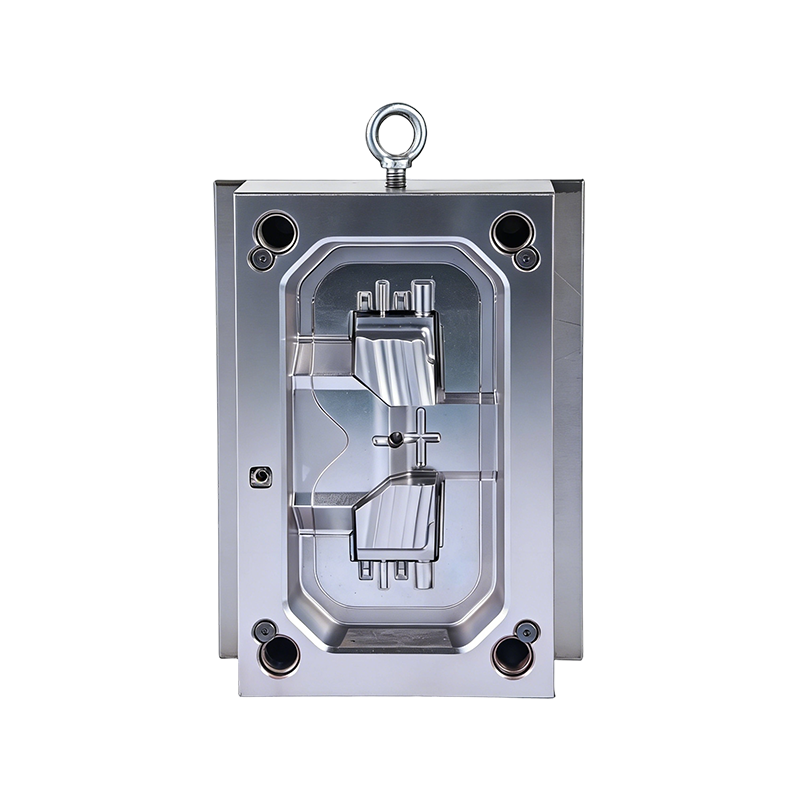
A custom injection mold is a purpose-built tool that shapes plastic components to match unique product designs. Manufacturers rely on this tooling to produce parts of varying shapes, wall thicknesses and surface finishes for industries including consumer goods, electronics, medical supplies and automotive accessories. Each custom injection mold consists of core and cavity inserts, runner systems, cooling channels, ejection assemblies and guiding structures. The layout is planned according to the plastic material properties, expected output volume and cosmetic demands of the finished part.
Before machining begins, engineers review product drawings and run mold flow simulation to forecast plastic filling behaviour, pressure distribution and cooling efficiency. Suitable mold steel is selected based on cycle frequency and resin abrasiveness. Raw steel blocks go through incoming checks to confirm hardness and internal quality. CNC milling, EDM and grinding equipment work sequentially to form fine details, while manual or automatic polishing delivers the required surface texture, from matte finish to high-gloss appearance. Moving parts such as sliders and lifters are fitted to handle undercut features that cannot be released through simple mold opening.
After full assembly, the custom injection mold undergoes dry cycling to verify smooth movement of all mechanisms. An injection trial follows to produce sample parts. Technicians check for sink marks, weld lines, flash and dimensional deviation, adjusting injection pressure, holding time or cooling setup as needed. Once samples meet the specification, the mold is cleaned and treated with anti-rust protection. This complete process delivers tailored tooling that supports stable mass production of custom plastic parts.