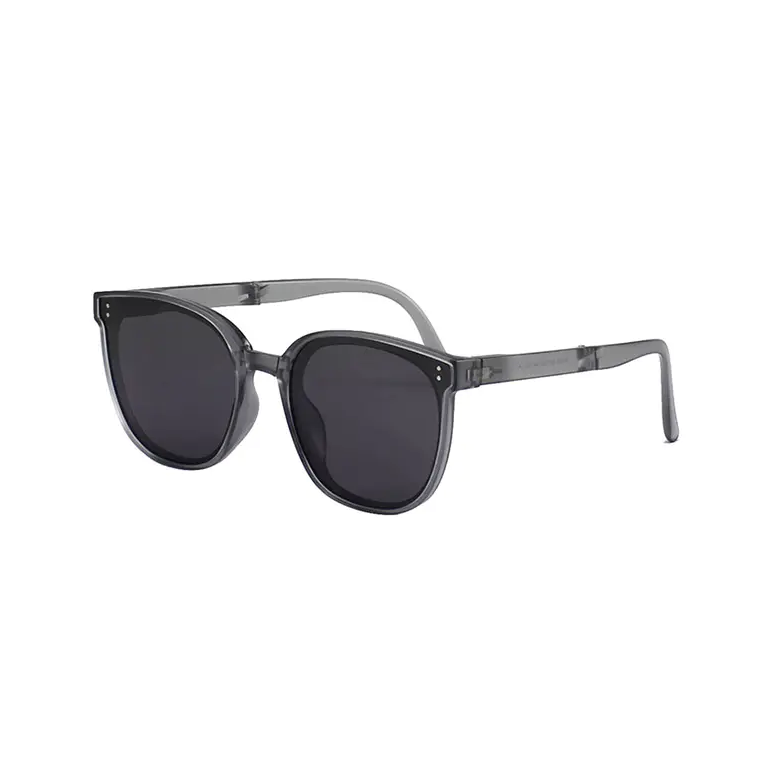
Selecting sunglasses for modern consumers requires attention to more than appearance. Material selection, lens construction, frame compatibility, and manufacturing consistency all influence the value of a finished eyewear product. For wholesalers and retailers developing new collections, Nylon Lens Sunglasses offer interesting possibilities for combining lightweight construction with contemporary styling. As demand grows for eyewear suitable for different activities and personal preferences, Nylon Lens Sunglasses can become a practical addition to collections targeting commuters, travelers, outdoor enthusiasts, and fashion-conscious customers. Understanding their product characteristics helps businesses make informed sourcing and product development decisions.
Lightweight Materials for Extended Wearing Comfort
Comfort is an important consideration when consumers choose sunglasses for regular use. Eyewear that places excessive pressure on the nose or ears may become uncomfortable during long periods of wearing. Lightweight lens materials can help manufacturers develop products with a more balanced overall structure.
Nylon is commonly valued in eyewear applications for its relatively low weight and flexibility. These characteristics allow designers to explore different lens shapes while considering the overall weight distribution of the sunglasses.
Manufacturers should also pay attention to frame construction. The relationship between lens weight, temple length, nose pad design, and frame dimensions influences how sunglasses fit different users. A well-coordinated design can improve wearing comfort without sacrificing the intended appearance.
For businesses sourcing eyewear, checking product dimensions and construction details is a useful step before selecting items for a new collection.
Lens Shapes That Support Creative Product Development
Eyewear design continues to evolve as fashion trends introduce new silhouettes and combinations. Nylon lens materials provide opportunities for manufacturers to explore different configurations for various consumer groups.
Sport-inspired sunglasses may feature curved lenses and extended coverage, while everyday fashion products often use rectangular, oval, or rounded shapes. Oversized designs can create a distinctive appearance, whereas compact frames may appeal to consumers who prefer understated accessories.
Lens curvature needs to match the frame structure and intended optical requirements. Manufacturers should evaluate the relationship between lens thickness, edge processing, and frame installation to maintain a consistent finished product.
Color development also influences the appearance of a collection. Neutral shades can support classic product lines, while gradient and colored lenses offer additional choices for seasonal fashion ranges.
Yani Eyewear: Customization and Production Coordination
For importers and private-label businesses, product customization is an important part of building a recognizable eyewear collection. Different markets may have different expectations regarding frame shapes, lens colors, branding, and packaging.
Yani Eyewear provides an opportunity for buyers to explore eyewear products and related manufacturing options. When planning a customized project, businesses should establish clear requirements before production begins.
Important details may include:
-
Lens specifications: Confirm material, thickness, color, and protective treatment requirements.
-
Frame configuration: Select suitable shapes, dimensions, and material combinations.
-
Branding methods: Discuss logo placement, printing techniques, and visual presentation.
-
Packaging design: Coordinate product boxes, protective cases, and labels.
-
Order requirements: Confirm sample approval, production quantities, and delivery arrangements.
Providing reference photographs or technical drawings can help suppliers understand the intended design. Early communication also makes it easier to identify potential compatibility issues before mass production.
Protective Treatments and Quality Inspection
The functional performance of sunglasses depends on more than the material used to manufacture the lenses. Additional treatments may influence surface durability, cleaning convenience, and visual comfort.
Hard coatings can improve resistance to everyday surface scratching, although they cannot prevent all damage. Hydrophobic treatments may help water droplets move away from the lens surface, while anti-reflective coatings can reduce certain unwanted reflections.
Polarized lenses are another option for products intended for consumers who frequently encounter reflected glare. They can be useful for driving, fishing, and outdoor activities. However, polarization and UV protection are different properties and should be evaluated separately.
Quality inspection should cover lens transparency, surface consistency, color accuracy, edge finishing, and frame assembly. Buyers should request appropriate testing documentation to verify UV protection claims and other specified product characteristics.
These procedures help manufacturers maintain consistent product standards and give distributors more confidence when selecting products for different markets.
Expanding Eyewear Collections for Different Markets
A successful eyewear collection should consider the purchasing habits and preferences of its intended audience. Fashion retailers may focus on seasonal colors and distinctive frame designs, while outdoor product distributors may prioritize fit, coverage, and functional specifications.
Offering several product configurations can help wholesalers reach different customer groups. For example, a collection might include classic everyday sunglasses, sporty designs, and fashion-oriented models with decorative details.
Product presentation also deserves attention. Clear photographs, accurate measurements, lens information, and material descriptions make it easier for online retailers to communicate product features. Packaging and branding consistency can further strengthen the presentation of private-label collections.
For businesses planning new sourcing projects, reviewing available products and discussing technical requirements with manufacturers can provide a clearer understanding of production possibilities. Visit https://www.yanieyewear.com/ to explore eyewear products, review different design directions, and learn more about potential manufacturing cooperation. Whether you are developing a private-label collection, purchasing sunglasses for wholesale distribution, or expanding an existing retail catalog, careful consideration of lens materials, frame compatibility, customization requirements, and quality inspection can help create products that meet your customers' expectations. A well-planned sourcing strategy also supports more efficient communication, consistent purchasing decisions, and long-term product development.