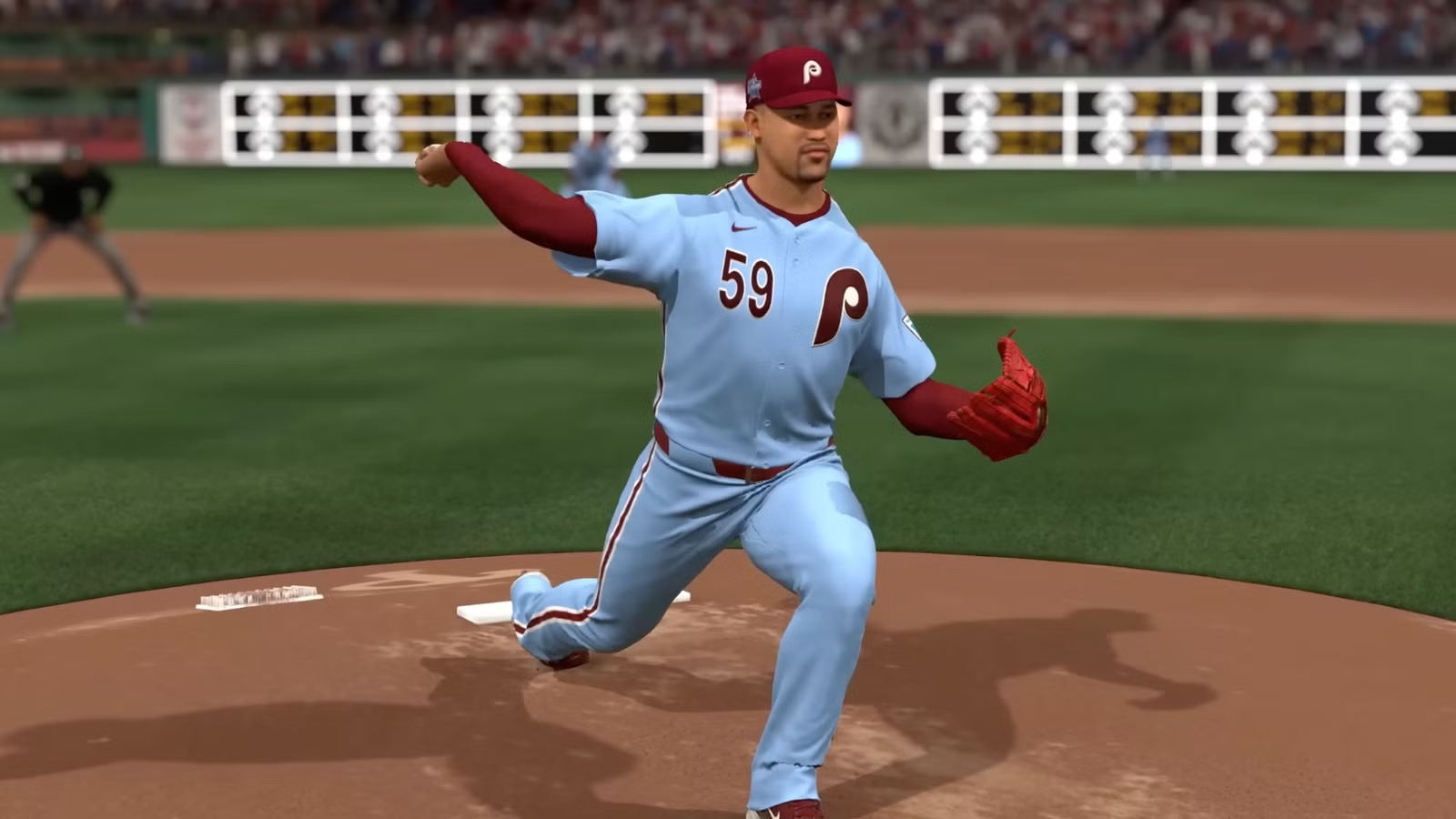
A pitching handoff shouldn't wipe out everything your team has learned. In MLB The Show 26 Co-Op, tell the next teammate what the hitter chased, what they timed well, and which sequence you've repeated. That's more useful than calling every pitch from the sidelines. If you're reviewing MLB 26 stubs while planning roster changes, keep the same practical approach: identify the problem first. Another pitcher won't fix three teammates giving different instructions during the delivery. Make the call early, then let the active player execute.
Give Every Voice a Job
Two teammates don't need to talk twice as much to play better. They need fewer crossed wires. With two players, the person waiting to hit can watch pitch patterns and discuss running plans between deliveries. With three, split those duties: one watches tendencies, another tracks outs and runners. Nobody needs a running commentary during a swing. Keep communication duties separate from controller assignments, too. Your designated defensive caller can suggest the throw, but whoever has the active assignment makes the input.
| Situation | Useful call | Timing |
|---|---|---|
| Pitching handoff | Early on offspeed | Before pitch selection |
| Several runners aboard | Second runner only | Before delivery |
| Outfield gap hit | Relay to second | Before the throw |
Pick Cards That Solve Different Problems
It's tempting to fill the squad with everyone's favorite power hitters. Then a routine ball finds a weak defender, or a pitching change exposes the same hitting weakness throughout your selections. Check contact and power against both pitching hands, then look at defensive coverage. Shortstop, second base, and center field deserve attention before another bat. Familiar swings matter as well. Give a candidate several comparable practice sessions instead of treating one home run as proof that the card belongs.
Check each selected player's intended position.
Choose pitchers your teammates can locate comfortably.
Review displayed roster requirements before confirming.
Rehearse the Awkward Plays
Use a casual session to practice the stuff that usually gets rushed. Try a cutoff throw. Work out how to move one runner without sending everybody. Confirm who controls each action before assuming an input failed. At the plate, share a specific observation between turns, such as a high fastball starting each count. Don't turn that observation into an order to swing. The next hitter still needs to read location, and opponents can change their sequence.
Check Progress Before Changing Everything
If an objective hasn't moved, read its eligible modes and player conditions before rebuilding your squad. For invitation trouble, check access and updates, then try a fresh lobby rather than changing several settings together. Keep that same restraint with roster spending. Before you buy MLB Stubs, decide which specific gap you're trying to fill. For the next session, pick one habit to improve, whether that's earlier relay calls or shorter pitching reports, and give it time to stick.