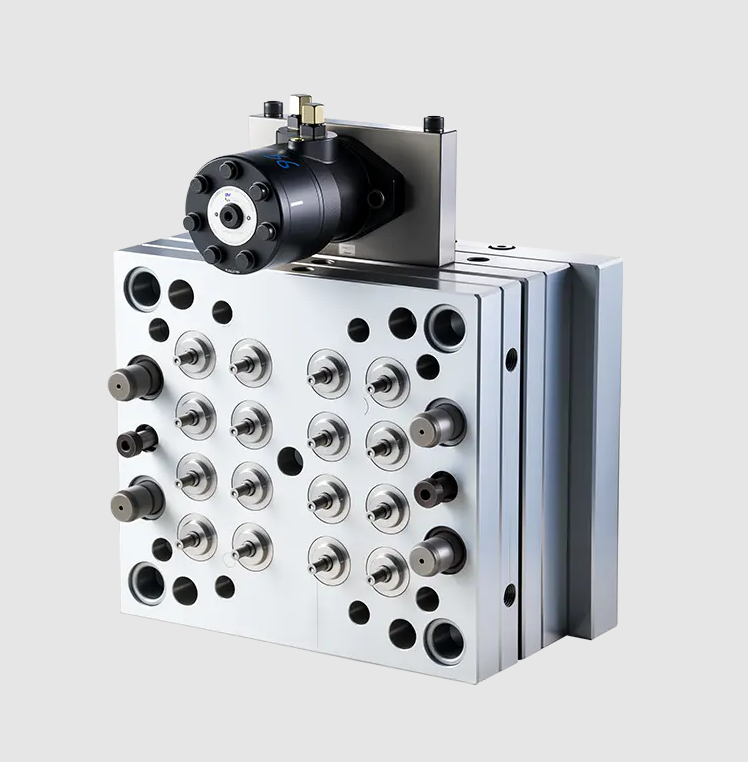
Imagine two plastic preforms that look almost identical on a worktable. Their overall shapes may be similar, yet one could perform differently during bottle blowing. The reason may lie in details that are difficult to notice at first glance: wall thickness, gate position, neck dimensions, or cooling conditions. For manufacturers purchasing a Bottle Preform Mold, these technical details deserve attention before the mold enters production.
Preform weight is often one of the first specifications discussed in a packaging project. It affects material consumption and contributes to the structure of the finished container. A lightweight design may suit certain small-volume bottles, while larger containers may require a different material distribution. The mold must support the required preform geometry without creating unnecessary variation between cavities.
The neck finish presents another challenge. Unlike the body of a preform, the neck area generally keeps its dimensions during stretch blow molding. It must therefore be formed accurately during injection molding. Thread profiles, tamper-evident ring positions, sealing surfaces, and support rings all need to match the closure system. For beverage packaging manufacturers, this relationship between the preform and cap is an important part of product compatibility.
There is also a practical question: how will the mold fit into the buyer's existing production setup? Injection machine specifications, mold dimensions, clamping requirements, and production targets should be reviewed together. A Bottle Preform Mold that meets the product drawing but does not suit the available equipment can create additional integration work. Sharing machine details early gives the tooling team a clearer basis for technical evaluation.