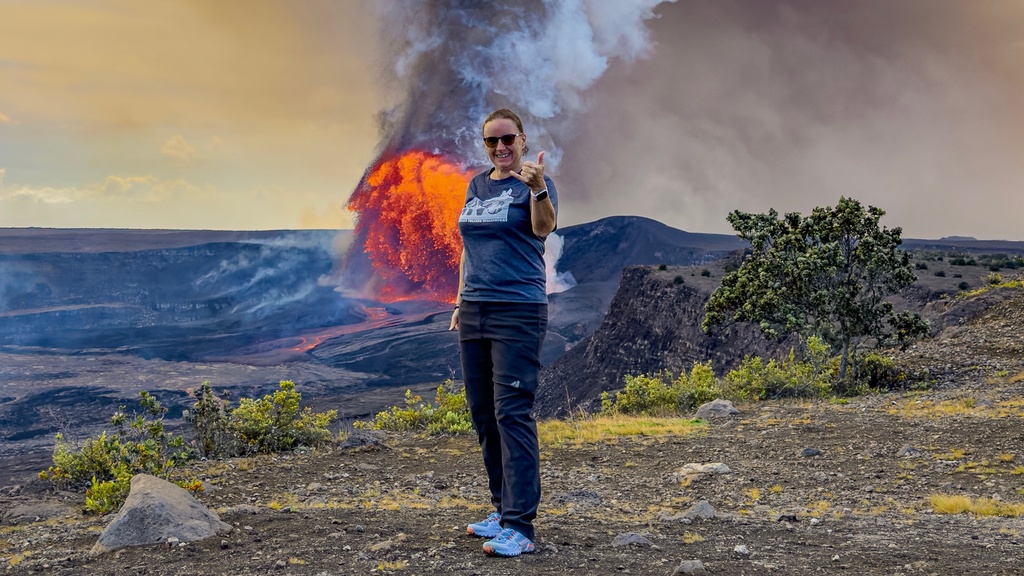
The best Hawaii volcano tour is the one that matches your fitness, your time and the people you are traveling with. That sounds simple until you start comparing options. Some tours are short walks along the crater rim. Others cross a crater floor or climb into an ancient forest on Mauna Loa. Pick the wrong one and a dream day turns into a tiring one.
This guide explains how Hawaii volcano tours work on the Big Island, what each style feels like, and how to choose the right one before you book.
What a Hawaii Volcano Tour Includes
A good tour does far more than get you from the parking lot to a viewpoint. A local guide explains how Kīlauea built the island, points out steam vents and native plants you would walk past alone, and picks the safest route for the day's conditions.
Most guided tours in Hawaiʻi Volcanoes National Park combine crater rim views, steam vents and the Sulphur Banks. Longer tours add the Kīlauea Iki crater floor and Nāhuku, also known as Thurston Lava Tube. You also get the stories behind the landscape, from Hawaiian culture to the science of an active volcano.
Types of Volcano Tours on the Big Island
Guided hiking tours. You walk with a small group and a guide. This is the most effective way to feel the volcano, hear the steam and understand what you are looking at.
Private tours. The route, pace and start time are built around you. Couples, families with kids and anyone who wants extra breaks tend to love this style.
Drive-around and bus tours. These cover the main overlooks with little walking. They suit travelers who cannot hike, though you spend less time on the ground.
Helicopter tours. You see the full scale of the craters and lava fields from above. It is a stunning view, but you do not feel the steam or walk across the crater.
How to Match a Tour to Your Fitness Level
Almost everyone who hikes here for the first time says it was harder than they expected. Choose one level easier than you think you need.
| Tour style | Effort | Best for |
|---|---|---|
| Family nature walk, about 1.5 hours | Easy, mostly flat, 1 to 2 miles | Young kids, strollers, wheelchairs |
| Crater rim walk, about 3 hours | Easy to moderate, 3 to 4 miles, about 150 feet of climbing | First-timers, older travelers, limited mobility |
| Kīlauea Iki crater hike, about 4.5 hours | Moderate to difficult, steep stairs and switchbacks | Active hikers |
| Full volcano adventure, about 6 hours | Difficult, about 7.7 miles, around 1,000 feet of elevation change | Strong hikers who want it all |
| Mauna Loa forest and bird hike, about 5 hours | Difficult, 7 to 8 miles over lava ground | Fit hikers, bird and forest lovers |
Volcanoes Hiking Guides offers all of these, from a gentle family walk to a full day on the crater floor. That range helps families with mixed ages and abilities find a tour that works for everyone.
Best Time of Day and Year to Go
Go early. Sunny mornings on Kīlauea are often followed by rain and wind later in the day, so a morning start gives the clearest crater views. It also means easier parking and fewer people on the trail.
The park is open all year. The drier stretch generally runs from April to October, and winter is wetter and cooler. Even so, the weather at the summit is unpredictable in every season, so pack for both sun and rain.
What to Wear and Bring
Kīlauea's summit sits at around 4,000 feet, which makes it cooler than the coast and often rainy. Wear layers, bring a rain jacket and choose long pants. Closed-toe shoes with good grip are a must, because lava rock is sharp and uneven. Carry plenty of water, snacks and sun protection.
Safety on an Active Volcano
Safety is the biggest reason to book a guide. The ground can be unstable, cracks and hidden lava tubes are common off the trail, and the rock is very sharp. Volcanic gas, known as vog, can cause breathing problems, especially for people with asthma or heart and lung conditions. If that applies to you, speak with your doctor first and check the air quality on the day.
A local guide reads these conditions every day, keeps the group on safe ground and changes the route when the park or the weather requires it.
Group Tour or Private Tour?
Group tours work well for solo travelers and couples who enjoy meeting people along the way. Private tours are best when you want control. You can choose the start time, the pace, the photo stops and the length of the walk, which makes them ideal for families with kids, honeymooners and guests who need a slower day.
Questions to Ask Before You Book
- How many miles and how much climbing does the route include?
- What happens if the park closes a trail or the weather turns?
- Are lunch, water and rain gear included?
- How big are the groups?
- Are the guides local, and do they teach geology and Hawaiian culture along the way?
FAQs
How long should I plan for a volcano tour?
Tours range from about 1.5 hours to a full day. Plan at least one full day in the park, and two if you can spare it.
Do I need to be fit?
Not for the crater rim walks. They are gentle and suit most ages. The crater floor and Mauna Loa hikes call for good fitness and sturdy shoes.
Are volcano tours safe for kids?
Yes, with the right route. Easy rim walks suit young children, while steeper hikes usually work best for active kids around 7 and older.
Will I see lava?
It depends on Kīlauea's activity that week. Even when no lava is visible, the steam vents, craters and rainforest make the day well worth it.
Choosing Your Tour
Start with the people in your group, then match the tour to the least fit person. Book a morning start, pack layers and trust a local guide with the route. That combination gives you the safest and most memorable day at one of the most remarkable places on Earth.