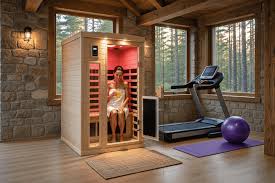
Why Is It Important to Learn How to Properly Use a Sauna?
Learning how to properly use a sauna helps you enjoy the warmth, relaxation, and comfort of a sauna session while avoiding unnecessary risks. A sauna exposes your body to elevated temperatures, which can increase sweating, raise your heart rate, and make you feel warmer than usual. Although many healthy adults can use saunas safely, the experience should always be approached with care, especially by beginners. Understanding how to prepare, how long to remain inside, when to take a break, and how to cool down makes the experience more comfortable and predictable. Proper sauna use is not about staying inside for as long as possible or choosing the highest temperature available. Instead, it is about recognizing your comfort level and following the instructions for the particular sauna you are using. Traditional saunas, infrared saunas, and steam rooms operate differently, so their temperatures and recommended routines may vary. When you understand these basic differences, you can create a simple routine that supports relaxation without putting unnecessary strain on your body.
What Should You Know Before Entering a Sauna?
Before learning how to properly use a sauna, take a moment to understand the equipment, its temperature settings, and the instructions provided by the manufacturer or facility. Traditional saunas generally use a heated room and a sauna heater, while infrared models use infrared heating elements to warm the body more directly. Steam rooms have a different environment because they use high humidity rather than the relatively dry heat associated with traditional saunas. These differences affect how hot the room feels and how your body responds. Read the operating instructions before switching on a home sauna, and never adjust equipment in a way that conflicts with its safety guidance. If you are visiting a public facility, follow its posted rules and ask staff if you are unsure about temperature controls, session limits, or appropriate clothing. It is also useful to understand where the exit is, how the door opens, and where the control panel is located. A little preparation makes how to properly use a sauna easier to understand and helps you avoid common mistakes during your first visit.
How Should You Prepare Your Body Before a Sauna Session?
Preparing your body is one of the most important parts of how to properly use a sauna because heat exposure can increase fluid loss through sweating. Begin by drinking water so you do not enter the sauna already dehydrated. You do not need to force yourself to drink excessive amounts, but starting with normal hydration is a sensible habit. Avoid entering immediately after strenuous exercise while your body is still overheated or your heart rate remains unusually elevated; take time to recover first. A comfortable shower before entering can help remove sweat, cosmetics, lotions, and everyday dirt from your skin. Dry yourself properly if the sauna instructions recommend entering with dry skin, particularly when using a traditional sauna. Choose a time when you are not rushing, because feeling hurried can make it harder to relax and pay attention to how you feel. Avoid sauna use after consuming alcohol or recreational drugs, and do not use the sauna when you are ill, feverish, or feeling unwell. These preparation habits make how to properly use a sauna a more comfortable routine and reduce avoidable risks associated with heat exposure.
Should You Shower Before Using a Sauna?
Taking a shower before entering is a useful hygiene habit and an important part of how to properly use a sauna, especially in shared facilities. A quick shower removes sweat, body oils, lotions, and other substances that could otherwise transfer to the sauna benches. It also helps maintain a cleaner environment for other people using the same room. In a private home sauna, showering beforehand is still helpful because it keeps the wooden surfaces and seating area cleaner over time. Use ordinary soap if needed, rinse thoroughly, and follow the facility's instructions about drying your body before entry. Avoid applying heavy oils, perfumes, or thick cosmetic products immediately before your session because they may become uncomfortable when your body heats up. Once you have showered, use a clean towel and bring another towel to sit on if required. Public facilities may have specific rules about swimwear, towels, and footwear, so check those requirements rather than assuming every sauna operates in the same way. Including a simple shower in how to properly use a sauna supports personal hygiene, protects shared spaces, and makes the overall experience more pleasant.
What Should You Wear Inside a Sauna?
Choosing appropriate clothing is another practical part of how to properly use a sauna because the right choice depends on the type of sauna and the rules of the location. In a private sauna, some people prefer to use a clean towel, while others wear lightweight swimwear or clothing approved by the manufacturer. Public saunas often have specific policies about swimwear, towels, and whether the room is clothing-optional, so always follow local rules. Avoid wearing heavy clothing, thick layers, or accessories that can become uncomfortable in high temperatures. Metal jewelry may heat up and cause discomfort, so it is sensible to remove watches, necklaces, and other metal accessories before entering. Footwear should also follow the facility's guidance; some facilities allow clean sandals outside the heated room, while others require bare feet or provide specific hygiene instructions. Always sit on a clean towel to create a barrier between your skin and the bench, particularly when sharing the sauna with other users. These simple choices make how to properly use a sauna more hygienic and comfortable while helping you respect the equipment and the people around you.
What Temperature Should You Choose When Using a Sauna?
Choosing a comfortable temperature is an essential part of how to properly use a sauna, but there is no single setting that suits every person or every sauna type. Traditional dry saunas often operate at higher temperatures than infrared models, while steam rooms rely on humidity and may feel intense at lower temperatures. The manufacturer's recommended range should always guide your settings. If you are new to sauna use, choose a moderate setting rather than immediately selecting the highest available temperature. Give yourself time to understand how the heat feels and how your body responds. A room that feels comfortable to an experienced user may feel overwhelming to someone who has never used a sauna before. Temperature displays can also vary in accuracy depending on sensor location, room design, and airflow, so do not rely on the number alone. Your comfort and physical response matter more than trying to match someone else's preferred setting. If you begin to feel overheated, dizzy, nauseated, weak, or uncomfortable, leave the sauna instead of trying to tolerate the heat. Understanding temperature selection is a central part of how to properly use a sauna safely and responsibly.
How Long Should You Stay Inside a Sauna?
Session length is one of the most common questions about how to properly use a sauna, and the safest approach is to begin with a short visit. Beginners can start with approximately five minutes and gradually adjust as they learn how their bodies respond. Some general health guidance suggests keeping sessions around 15 to 20 minutes for many healthy adults, while other safety reviews recommend more conservative limits depending on the individual and the conditions. These figures are not targets that everyone must reach. A shorter session may be more appropriate in a hotter room, for someone who is inexperienced, or for a person who feels uncomfortable before the suggested time has passed. Use a timer rather than relying entirely on your sense of time, because heat and relaxation can make it easy to lose track of the minutes. Never stay inside simply to match another person's session or prove that you can tolerate more heat. Leave immediately if you experience warning signs such as dizziness, nausea, confusion, unusual weakness, or difficulty breathing. How to properly use a sauna means respecting your own limits, not competing to achieve the longest session.
How Can Beginners Start Using a Sauna Comfortably?
People who are completely new to sauna bathing should approach how to properly use a sauna as a gradual learning process rather than a demanding wellness challenge. Start by reading the equipment instructions and choosing a comfortable temperature. Make your first visit brief, perhaps around five minutes, and leave earlier if you feel too hot or uncomfortable. Sit on a lower bench in a traditional sauna if the room has different seating levels, because higher benches are generally hotter. Choose a position that allows you to relax without feeling trapped or crowded. Keep your breathing natural and avoid trying to force yourself to remain still if you need to change position or leave. After the first session, spend time outside the heated room and allow your body to cool down gradually. Notice whether you feel comfortable, thirsty, tired, or lightheaded before deciding whether another session is appropriate. There is no requirement to complete multiple rounds, and beginners may be better off with one short visit. With this measured approach, how to properly use a sauna becomes easier to understand, and you can make decisions based on your own experience rather than unrealistic expectations.
Where Should You Sit Inside a Traditional Sauna?
Your seating position can influence how intense the heat feels, which makes it a useful consideration when learning how to properly use a sauna. Traditional saunas commonly have benches at different heights, and the upper levels are usually warmer because hot air rises. Beginners and people who prefer gentler heat may find a lower bench more comfortable. Choose a position where you can sit naturally, keep your balance, and reach the exit without difficulty. Place a clean towel beneath your body and avoid direct contact with surfaces that may be unusually hot. If you prefer to lie down, do so only when there is enough space and the facility permits it. Never block the doorway, heater access, or emergency equipment. Be careful around sauna heaters, stones, pipes, and other hot components because touching them can cause burns. Do not pour water onto stones unless the sauna is designed for that purpose and its instructions specifically permit it. A comfortable seating position helps you relax while keeping safety in mind. Knowing where and how to sit is a small but valuable part of how to properly use a sauna.
Should You Drink Water Before and After Using a Sauna?
Hydration is a major part of how to properly use a sauna because sweating causes your body to lose fluid. Drink water before entering so you begin your session normally hydrated, and make water available for afterward. If your session is longer or you sweat heavily, you may need to replace additional fluids, but avoid drinking excessive amounts in a short period. The amount you need depends on your body, activity level, environment, and how much you sweat. Water is usually a sensible choice for ordinary sauna sessions, while an electrolyte drink may be useful in some situations involving substantial fluid loss. Do not treat thirst as the only signal that you need fluids, because dehydration can also involve headache, dry mouth, reduced urination, muscle cramps, and unusual tiredness. If you already feel dehydrated, postpone your session until you have recovered. Avoid alcohol before, during, and immediately around sauna use because it can increase safety risks and make it harder to recognize warning signs. Making hydration a regular habit helps how to properly use a sauna remain comfortable and reduces the chance of heat-related problems.
What Should You Do During Your Sauna Session?
Once you enter the room, how to properly use a sauna becomes a matter of staying comfortable, remaining aware, and avoiding unnecessary activity. Sit or lie down in a relaxed position, breathe normally, and allow the warmth to build gradually. You do not need to exercise, stretch intensely, or perform demanding movements while inside. Keep conversation quiet if you are sharing the space, and respect other users who may prefer a peaceful environment. Avoid using electronic devices unless they are specifically designed and approved for the sauna's temperature and humidity conditions. Ordinary phones, watches, and headphones may be damaged by heat, and checking a screen can distract you from noticing how you feel. Do not touch the heater, hot stones, or exposed heating elements. If you are using a traditional sauna with a water ladle, follow the manufacturer's instructions and never add water to a heater that is not designed for it. Pay attention to your body throughout the session, and leave whenever you feel uncomfortable. A successful session does not require special techniques or complicated routines. The simplest way to understand how to properly use a sauna is to stay calm, remain alert, and stop when your body tells you it is time.
Is It Safe to Pour Water on Sauna Stones?
Pouring water onto heated stones is a traditional feature of some Finnish-style saunas, but it should only be done when the heater is designed for that purpose. This detail matters when learning how to properly use a sauna because not every sauna has water-compatible stones or heating equipment. In an approved traditional sauna, a small amount of water can create a burst of steam and increase humidity, changing how the heat feels. Follow the manufacturer's instructions about the amount of water and the correct method. Never pour water onto electrical components, infrared heating panels, or equipment that does not specifically allow it. Avoid using oils, fragrances, or other substances on the stones unless the sauna manufacturer expressly approves them. Steam can make the room feel hotter and more intense, so beginners should be especially cautious. If the added humidity makes breathing uncomfortable or causes you to feel overheated, leave the room. Public facilities may also prohibit users from adding water themselves, so staff instructions should take priority. Knowing whether your equipment permits this practice is an important detail in how to properly use a sauna without damaging the heater or creating an uncomfortable environment.
How Should You Cool Down After Leaving a Sauna?
Cooling down gradually is an important stage of how to properly use a sauna because your body may remain warm and continue sweating after you leave the heated room. Step into a comfortable, cooler area and sit quietly for a few minutes. Allow your breathing and general sense of temperature to return toward normal before moving on to another activity. A cool or lukewarm shower can help you feel refreshed, but there is no need to force an extreme temperature change. Some sauna traditions include cold-water immersion, but sudden cold exposure is not suitable for everyone and can place additional stress on the body. People with heart or blood pressure conditions, pregnancy, or other relevant health concerns should ask a healthcare professional before combining sauna heat with cold plunges. Dry yourself after showering and take time to rest if you still feel warm or tired. If you experience dizziness, weakness, nausea, confusion, or breathing difficulty, do not simply return to the sauna for another round. Seek appropriate medical assistance if symptoms are severe or do not improve. A gradual recovery period makes how to properly use a sauna more balanced and prevents the cooling stage from becoming another unnecessary challenge.
Should You Take More Than One Sauna Round?
Some people enjoy alternating short sauna visits with cooling and resting periods, but multiple rounds are not necessary for everyone. When considering how to properly use a sauna, remember that each additional visit adds more heat exposure and may increase fluid loss. Beginners should usually focus on becoming comfortable with one short session before considering another. If you are experienced, healthy, and following the equipment instructions, you may choose to take a break outside the room and decide whether another brief visit feels appropriate. The rest period should be long enough for you to cool down and assess how you feel. Drink water as needed, and do not re-enter if you are unusually tired, lightheaded, nauseated, or still overheated. Avoid turning a relaxing routine into a competition or assuming that more rounds automatically create better results. Some people prefer a single session because it fits their comfort level, schedule, and recovery needs. Others enjoy a carefully paced routine with breaks. How to properly use a sauna is ultimately about choosing a reasonable amount of heat exposure for your own circumstances rather than following a fixed number of rounds.
How Often Can You Use a Sauna?
The appropriate frequency of sauna use depends on your health, experience, the type of sauna, and the duration and temperature of each session. People researching how to properly use a sauna may see recommendations for daily or several-times-weekly routines, but these are not universal requirements. Start with occasional, short sessions and observe how you feel afterward. If you tolerate the heat comfortably and have no medical reason to avoid it, you can discuss a regular routine with a healthcare professional when needed. Do not increase session frequency and duration at the same time, because making several changes together can make it harder to understand how your body responds. Allow yourself to skip a session when you are sick, dehydrated, exhausted, or recovering from strenuous activity. Consistency should never take priority over comfort or safety. People with health conditions or medications that affect blood pressure, sweating, alertness, or temperature regulation may need individual advice before using a sauna regularly. The best answer to how to properly use a sauna is not a strict weekly target; it is a routine that respects your health, recovery, and the instructions for your equipment.
Who Should Speak With a Healthcare Professional Before Using a Sauna?
Although many healthy adults can use a sauna without problems, certain people should seek medical advice before beginning. This is an especially important part of how to properly use a sauna for anyone with heart disease, uncontrolled blood pressure, a history of fainting, seizure disorders, or conditions that affect the body's ability to regulate temperature. People who are pregnant, older adults, and individuals taking medication that may affect sweating, alertness, circulation, or hydration should also ask a healthcare professional about their personal circumstances. Recent heart attack or stroke, active illness, fever, and alcohol consumption are reasons to avoid sauna use rather than trying to push through a session. Children are more vulnerable to heat-related problems and should not be treated as small adults when it comes to sauna exposure; supervision and professional guidance are important. If a doctor has advised you to avoid heat exposure, follow that advice. Do not rely on online routines to override medical instructions. Understanding who needs additional guidance is central to how to properly use a sauna because the same temperature and session length can affect different people in very different ways.
What Warning Signs Mean You Should Leave the Sauna?
Recognizing warning signs is one of the most important safety skills in how to properly use a sauna. Leave the room immediately if you feel dizzy, faint, nauseated, unusually weak, confused, or uncomfortable. A headache, strong thirst, muscle cramps, or an unusual feeling of overheating may also indicate that you need to stop and recover. Difficulty breathing, chest pain, fainting, or severe confusion should be treated as urgent symptoms, and emergency medical help may be necessary. Do not wait for a timer to finish when your body is telling you to leave. Move to a cooler area, sit down safely, and avoid returning to the sauna until you are fully recovered and it is appropriate to do so. If symptoms are serious, persistent, or worsening, seek medical assistance rather than assuming that water and rest will solve the problem. It is also sensible to tell someone nearby if you feel unwell, especially when using a sauna alone at home or in a private facility. How to properly use a sauna means understanding that leaving early is a responsible decision, not a failure to complete your session.
What Common Sauna Mistakes Should You Avoid?
Several common mistakes can make sauna use less comfortable and increase avoidable risks. One mistake is staying inside too long because someone believes longer sessions produce better results. Another is choosing a very high temperature before understanding personal heat tolerance. These habits go against the basic principles of how to properly use a sauna. Entering while dehydrated, using a sauna after drinking alcohol, ignoring illness, and failing to cool down afterward are also poor choices. Some people forget to bring a towel, overlook public hygiene rules, or wear heavy accessories that become uncomfortable in the heat. Others pour water onto equipment that is not designed for it or touch hot stones and heater components. Using ordinary electronic devices inside the sauna can also create equipment and personal safety concerns. Avoid comparing your session with the duration or temperature chosen by another person, because comfort levels and health circumstances differ. A timer, drinking water, clean towels, and a willingness to leave early can prevent many routine mistakes. Understanding how to properly use a sauna is less about following complicated rules and more about avoiding decisions that expose you to unnecessary heat, dehydration, or injury.
How Do Traditional and Infrared Saunas Differ?
Traditional and infrared saunas provide different heating experiences, so it is important to understand which type you are using before deciding how to properly use a sauna. A traditional sauna heats the air in an enclosed room through a heater, often with stones that may be used to create steam when the equipment permits. Infrared saunas use infrared heating elements and generally operate at lower air temperatures than many traditional saunas. However, lower air temperature does not mean that every infrared session is automatically suitable for every person or health condition. The experience depends on the equipment design, temperature, session length, and individual response. Steam rooms are different again because they use high humidity, which changes how heat is experienced. Always follow the manufacturer's operating instructions rather than transferring a routine from one sauna type to another. A session length that feels comfortable in one environment may not be appropriate in another. Check the recommended temperature range, ventilation requirements, cleaning instructions, and safety features for your specific model. Knowing these differences makes how to properly use a sauna more accurate and helps you choose a routine that matches the equipment in your home or wellness facility.
How Can You Keep a Home Sauna Clean and Well Maintained?
Cleanliness and regular maintenance are important parts of how to properly use a sauna, particularly when several people share the same equipment. Place a clean towel on the bench before sitting, and wipe away visible moisture or sweat after each session according to the manufacturer's care instructions. Allow the room to dry and ventilate properly so moisture does not remain trapped inside. Follow the recommended cleaning products and avoid harsh chemicals that could damage wooden surfaces, electrical components, or finishes. Check benches, door handles, flooring, heater guards, and other visible parts for signs of wear or damage. Do not attempt electrical repairs or heater maintenance unless you are qualified and following the manufacturer's approved procedures. Keep the area around the heater clear and never store towels or other combustible items where they could come into contact with hot equipment. For public facilities, follow posted hygiene requirements and report maintenance problems to staff. A clean and properly maintained sauna is more pleasant to use and helps protect the equipment over time. When considering how to properly use a sauna at home, remember that safe operation includes what happens before, during, and after every session.
Can You Use a Sauna After Exercise?
Many people enjoy a sauna after exercise, but timing and recovery matter when learning how to properly use a sauna. Physical activity can raise your body temperature, increase your heart rate, and cause fluid loss through sweating. Entering a hot room immediately after an intense workout may add further heat stress before your body has recovered. Instead, finish exercising, cool down, allow your breathing and heart rate to settle, and drink water as needed. Take a shower if appropriate and assess how you feel before deciding whether to use the sauna. If you are exhausted, dehydrated, dizzy, or experiencing unusual symptoms after exercise, skip the session and focus on recovery. A sauna should not be treated as a replacement for proper hydration, nutrition, sleep, or a gradual post-workout cool-down. It is also not a substitute for medical treatment when you have an injury or concerning symptoms. The right routine will vary according to the intensity of your exercise and your individual health. How to properly use a sauna after exercise means giving your body enough time to recover before adding another source of heat.
Does a Sauna Help With Relaxation and Everyday Wellness?
Sauna bathing is often used as a way to unwind, take a break from daily responsibilities, and enjoy a quiet environment. Understanding how to properly use a sauna can help make that experience more comfortable by encouraging a calm routine without unrealistic expectations. Warmth may help some people feel relaxed, and the quiet setting can provide an opportunity to slow down and focus on breathing. Some research has explored possible associations between regular sauna bathing and aspects of cardiovascular health, but research findings should not be interpreted as a guarantee that sauna use prevents or treats disease. A sauna is not a replacement for medical care, exercise, balanced nutrition, or other healthy habits. Avoid using it as a way to force rapid weight loss, because short-term changes on the scale after sweating mainly reflect fluid loss. The most sensible approach is to view sauna bathing as an optional wellness activity that some people find enjoyable. Keep sessions comfortable, stay hydrated, and stop if you feel unwell. How to properly use a sauna means focusing on a safe and pleasant experience rather than expecting dramatic health results from time spent in the heat.
How Can You Build a Simple and Safe Sauna Routine?
A simple routine can make how to properly use a sauna easier to follow without turning the experience into a complicated schedule. Begin by checking the equipment instructions and making sure the room is operating correctly. Drink water, take a shower, and prepare a clean towel before entering. Choose a moderate setting that suits the sauna type and your experience level. If you are a beginner, keep your first session short and use a timer. Sit comfortably, breathe normally, and leave as soon as you feel uncomfortable. Afterward, cool down gradually, drink water, and give yourself enough time to rest. Do not add another round simply because it appears in someone else's routine. On another day, assess whether the first session felt comfortable before making any changes. People with relevant medical conditions should get personal advice before establishing a regular schedule. You can also keep a simple note of the sauna type, approximate temperature, session duration, and how you felt afterward. This can help you recognize what feels manageable without encouraging you to push your limits. The most useful approach to how to properly use a sauna is a flexible routine built around preparation, moderation, hygiene, and recovery.
What Should You Remember About Using a Sauna Properly?
The most important lesson about how to properly use a sauna is that a good session should feel manageable, comfortable, and appropriate for your health and experience. Prepare by drinking water, showering, and checking the instructions for your sauna. Choose a sensible temperature, begin with a short session, and never stay inside just to reach a particular time. Use a clean towel, avoid alcohol, and be cautious around heaters and hot surfaces. When you leave, allow your body to cool gradually and replace fluids lost through sweating. Pay attention to warning signs such as dizziness, nausea, weakness, confusion, or breathing difficulty, and seek medical help when symptoms are serious. People with medical conditions, pregnancy, or medications that may affect heat tolerance should ask a healthcare professional before using a sauna. Remember that traditional, infrared, and steam saunas have different operating conditions, so one routine does not fit every model. By following these sensible habits, you can make sauna bathing a more enjoyable part of your personal wellness routine. For equipment information, product guidance, and support in creating a comfortable home wellness space, Chinook Hot Tubs and Saunas encourages users to understand their sauna, follow its instructions, and make safety the priority every time.