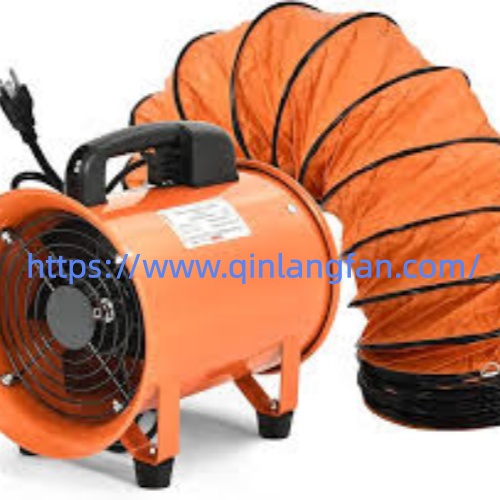
Portable Axial Fan equipment has become a practical consideration for workplaces where ventilation needs can change throughout the day. Unlike fixed installations, movable air circulation equipment can be repositioned as working areas change, making it useful for temporary projects, workshops, warehouses, and industrial facilities. For businesses planning ventilation improvements, understanding mobility, construction, airflow direction, and daily operation can help make purchasing decisions more suitable for actual working conditions.
One important factor is how easily equipment can adapt to different locations. Industrial workshops often have changing production arrangements. Machinery may be moved, temporary workstations may be introduced, and certain areas may require additional air circulation during specific operations. In these situations, a movable ventilation unit gives workers more flexibility when arranging their working environment. Instead of relying entirely on fixed ventilation points, businesses can adjust equipment placement according to the needs of different activities.
Material selection deserves attention as well. The housing, protective grille, blades, and supporting structure all contribute to the overall design. Metal construction can provide mechanical support, while selected engineering plastics may help reduce product weight and offer flexibility in component design. The appropriate choice depends on the intended application, environmental conditions, and expected maintenance requirements. Buyers should consider exposure to dust, moisture, temperature changes, and possible physical contact when discussing material options with manufacturers.
Another interesting aspect is blade design. The shape and arrangement of blades influence how air enters the unit and moves toward the surrounding space. Aerodynamic considerations can help manage airflow resistance and operating noise. A properly matched motor and blade assembly also plays an important role in equipment operation. When evaluating different products, purchasing teams should consider the relationship between airflow requirements, installation conditions, and the characteristics of the working environment.
Mobility is not simply about making equipment easy to transport. A practical design should also consider how the unit is positioned during operation. A stable supporting base, convenient carrying arrangements, protective components, and an accessible control system can influence everyday usability. Workers may need to move equipment between different sections of a workshop or adjust its direction according to changing tasks. These details can make a difference in daily handling and workplace organization.
Airflow direction is another subject that deserves careful planning. Simply placing equipment in a room does not guarantee effective air circulation. The position of doors, windows, machinery, partitions, and other obstacles can influence how air travels through a space. In an enclosed working area, a suitable inlet and outlet arrangement is also important. Businesses should consider whether the equipment is intended for general circulation, localized cooling, exhaust assistance, or temporary ventilation before selecting a suitable model.
Noise and vibration can also influence the working experience. Equipment used near employees may operate for extended periods, so its mechanical structure and installation arrangement deserve attention. Blade balance, motor assembly, protective mounting, and routine maintenance can all affect operating conditions. Regular cleaning is particularly useful in dusty environments because accumulated particles may interfere with airflow and place additional demands on moving components. A simple maintenance routine can help businesses monitor equipment condition and identify unusual operating sounds.
Different workplaces have different requirements. In manufacturing workshops, movable air circulation equipment may help direct airflow toward areas affected by machinery heat. Warehouses may use it to improve air movement in spaces where fixed ventilation is limited. Construction and maintenance projects may require temporary ventilation while workers complete specific tasks. Agricultural facilities may also benefit from adjustable air circulation arrangements when environmental conditions change. Each application should be evaluated according to its surroundings and operating needs.
Before purchasing, buyers should prepare a clear list of practical requirements. Consider where the equipment will be used, how frequently it needs to be relocated, what type of electrical connection is available, and whether the surrounding environment requires additional protection. It is also useful to review the product structure, installation instructions, cleaning access, replacement component availability, and manufacturer support. These details help purchasing teams compare different options without focusing entirely on initial appearance.
Design development continues to respond to changing expectations in industrial workplaces. Buyers increasingly pay attention to convenient handling, organized construction, adaptable placement, and maintenance accessibility. Manufacturers must consider these factors throughout product development, from material selection and component processing to assembly and inspection. A thoughtful design can make equipment easier to integrate into different working arrangements while supporting practical daily use.
Qinlang specializes in developing and manufacturing air circulation and cooling equipment for industrial, commercial, and building applications. Its product range includes handheld and movable configurations designed for different ventilation and cooling requirements. With attention to product construction, application needs, and manufacturing processes, Qinlang provides options for distributors, contractors, and industrial purchasing teams. Businesses planning new ventilation projects or updating existing facilities can visit https://www.qinlangfan.com/product/ to review available product categories and discuss suitable equipment choices for their working environments.