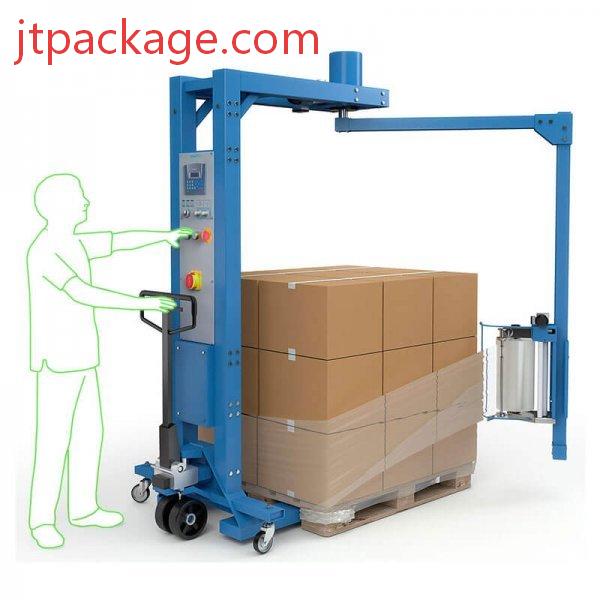
Selecting packaging materials is an important task for businesses that want to maintain organized production and reliable product handling. The choice of supplier can influence purchasing arrangements, material availability, technical communication, and packaging consistency. When evaluating Wrapping Film Suppliers , companies often consider product variety, specification flexibility, service arrangements, and application knowledge. Through its packaging offerings, jtpackage provides businesses with an opportunity to review material options and consider solutions that correspond with their individual requirements.
Different industries have different expectations for wrapping materials. Manufacturers may need film for individual consumer products, grouped merchandise, industrial components, or goods prepared for transportation. Retail businesses may pay greater attention to transparency and product presentation, while distribution companies may focus on package stability and convenient handling. Understanding these differences helps buyers identify materials that match their intended applications.
A suitable supplier should be able to communicate the characteristics of available products clearly. Film materials can differ in thickness, flexibility, transparency, sealing performance, and resistance to tearing. These properties influence how a material behaves during wrapping and how it interacts with different products. Buyers should review relevant specifications rather than selecting materials based only on general descriptions.
Packaging equipment is another important factor. Some companies use manual wrapping methods, while others depend on automated machinery and continuous production lines. The selected film needs to correspond with the equipment's operating conditions. Width, roll dimensions, sealing requirements, and processing temperatures may all affect compatibility. Discussing these details before purchasing can help reduce unnecessary adjustments during production.
Supplier communication also plays an important role in procurement. Buyers may have questions about product samples, customized specifications, packaging formats, order arrangements, and delivery coordination. Clear responses help purchasing teams understand what is available and determine whether a proposed material suits their production environment. A cooperative communication process can also make future purchasing discussions more straightforward.
Consistency deserves attention when businesses establish ongoing supply arrangements. Changes in material characteristics or roll quality may influence packaging equipment and finished package appearance. Companies therefore benefit from understanding how suppliers manage product specifications, production arrangements, and order requirements. Maintaining clear expectations can support smoother cooperation between purchasing departments and suppliers.
Another consideration is the ability to respond to changing business requirements. Product designs may be updated, packaging formats may be adjusted, and distribution channels may introduce new handling expectations. A supplier offering different material specifications can give buyers more options when reviewing these changes. Businesses should communicate their future plans and practical requirements so that suitable materials can be considered in advance.
Packaging procurement also involves storage and inventory planning. Film rolls need appropriate storage conditions and organized inventory management to maintain their suitability for production. Buyers may consider roll dimensions, packaging methods, storage space, and purchasing schedules when arranging material supplies. Coordinating these details with suppliers can help businesses manage their packaging operations more efficiently.
Environmental considerations are becoming part of many purchasing discussions as well. Companies may review material usage, packaging waste, recycling arrangements, and the relationship between product protection and packaging design. These subjects can be discussed with suppliers when comparing available materials and planning future purchasing decisions.
Ultimately, selecting a wrapping film supplier is about finding a suitable connection between material characteristics and business requirements. Product information, technical communication, specification choices, and cooperation arrangements all deserve attention. A thoughtful purchasing process helps businesses make decisions based on actual applications rather than assumptions.
A new packaging connection could be closer than you think. Visit https://www.jtpackage.com/product/ and take a look through the available packaging information. Browse different material options, consider how they relate to your production needs, and find fresh inspiration for your next purchasing project. Sometimes, a useful business connection begins with a simple visit.